
By James Mathew
The recurring Western wildfires provided the initial spark, but Mongolia’s own magic is driving the flame. With its endless open steppes, dramatic desert vistas, and deep heritage experiences, the country is fast rising as the globe’ premier exotic destination for leisure and wellness travel.
Transitioning from a niche seasonal interest till very recently, the “land of the eternal blue sky” is currently experiencing an unprecedented tourism boom, making it a unique bucket-list journey for 2026, sector experts and industry players said.

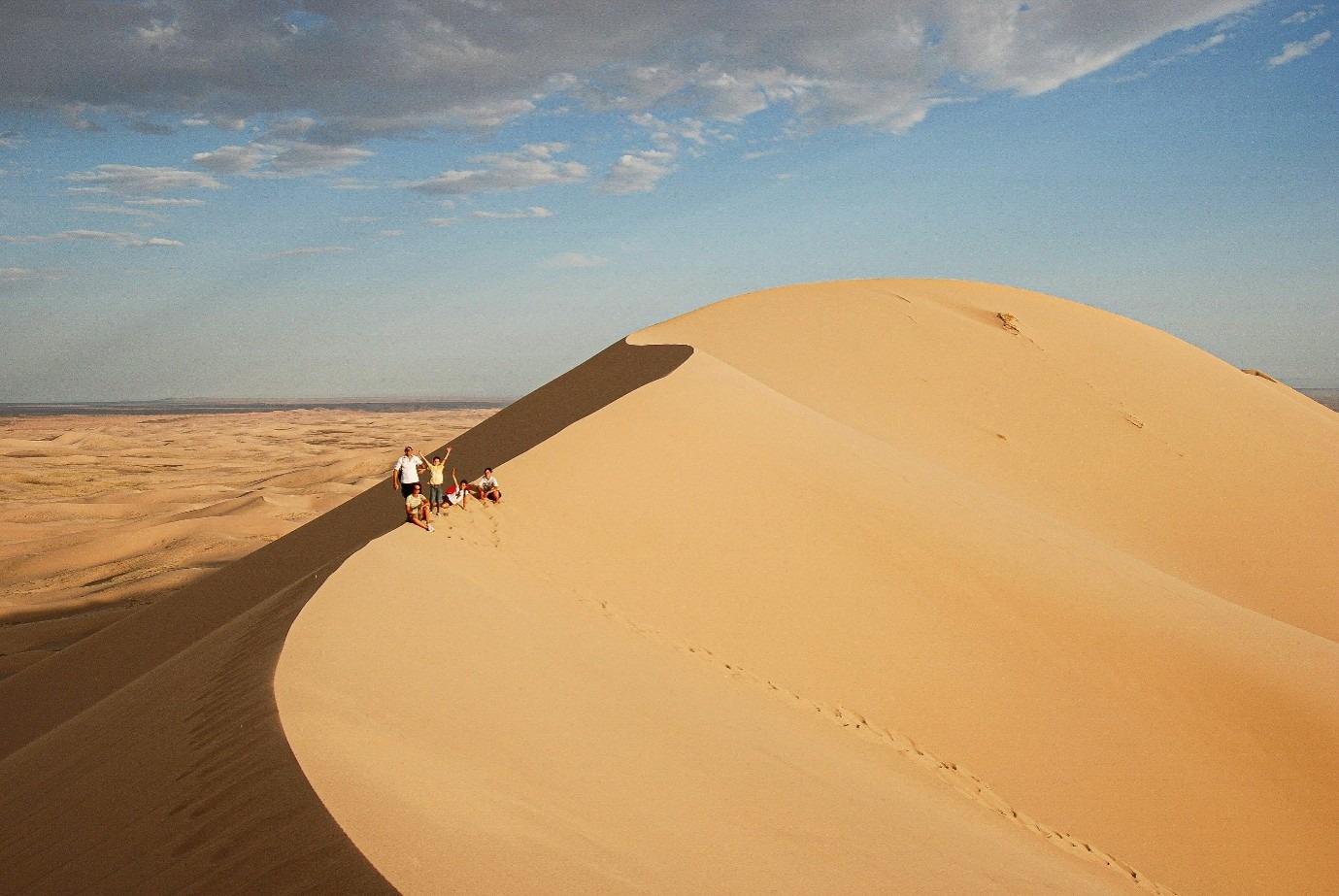
Mongolia calls with its endless open steppes, dramatic desert vistas
With an estimated 35 percent surge in foreign tourist arrivals in the first half of 2026, the country is projected to hit its historic milestone of over one million annual visitors this year, according to latest data put out by MONTSAME, the state-owned national news agency of Mongolia.
An aggressive, multi-year government push for economic diversification, massive liberalisation of travel restrictions, and a post-pandemic global shift toward crowd-free, off-grid adventure travel are triggering the massive influx of international travellers to Mongolia, according to industry experts.
Aiding the newly found interest among international travellers – both leisure and wellness – the Mongolian government is also on an overdrive to promote international tourism in the country with an increased focus on international marketing and expanding its tourism infrastructure.
According to government sources, the Mongolian Tourism Organization has made strides to promote the country’s attractions in major international markets, including Europe, North America and Asia.
“This push has successfully captured the attention of travellers seeking a unique, off-the-beaten-path destination,” official sources said.
The country’s Ministry of Culture, Sport, Tourism, and Youth, together with its affiliated organizations, has also embarked on a major drive to enhance service quality, expand international promotion, and improve regional tourism infrastructure.
Visa-free policy does it!
Sector experts said Mongolia’s expanded visa-free policy is the single clearest regulatory driver of Western arrival growth.
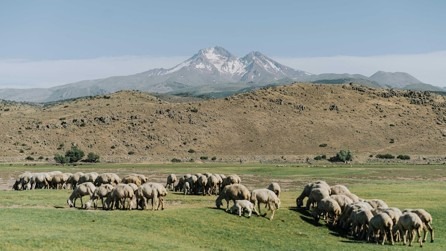
Mongolia benefits most from global shift toward crowd-free, off-grid adventure travel
Under the ‘Welcome to Mongolia’ campaign, the Mongolian government has extended visa-free entry for citizens of 34 countries through to January 1, 2027. This provides friction-free access for high-spending Western and Asian holiday travellers.
US citizens hold a separate bilateral agreement giving them 90 consecutive days without a visa, while South Korea has its own 90-day visa-free arrangement in place through December 31, 2026.
For most EU and UK nationals, the current exemption covers stays of up to 30 days. Australia and New Zealand are included in the 34-country list through end-2026, after which an e-visa will be required.
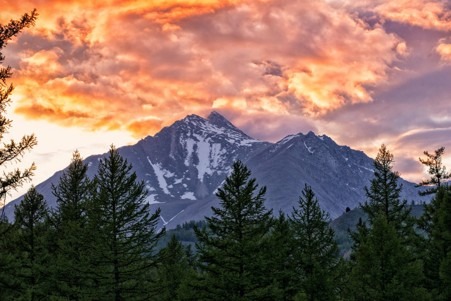
Altai Range in western Mongolia to see major infrastructure development under the government’s 2030 tourism strategy
Industry officials said the Mongolian government has also focused on improving essential tourism infrastructure. This includes better transportation networks, accommodations, and tourism services in both urban and rural areas.
The modern Chinggis Khaan International Airport has expanded its flight frequencies and direct routes connecting to global transit hubs, heavily reducing the transit times that historically kept the country isolated.
The expansion of flight routes from major cities around the world has also lowered barriers to travel, helping to bring Mongolia’s beauty closer to the global market, they said.
With improvements to airports, roads, and public transport, getting around the country has become easier, making it more convenient for tourists to visit remote areas that showcase Mongolia’s natural beauty, industry players said.
Crowds-free geography biggest attraction
Sector experts and industry officials, however, said the single most factor pushing Mongolia as a most sought-after travel destination is its extreme crowds-free geography – an antidote to mass tourism travellers.
With a vast landscape largely composed of the Gobi Desert and expansive nomadic grasslands, travellers can explore entirely uncrowded, pristine terrains without long lines.
Travel outside the capital of Ulaanbaatar, which relies mostly on multi-day guided itineraries across unpaved paths, is another factor appealing to the growing global market for rugged, completely disconnected eco-tourism.
The semi-nomadic lifestyle living of Mongolia enables travellers to experience and engage in authentic cultural immersion in the country. Unlike locations where heritage is confined to museums, Mongolia remains one of the last places on earth with a massive, active semi-nomadic population. Traversing the country, especially its countryside, provides the experiential journeys modern travellers crave for, industry officials said.
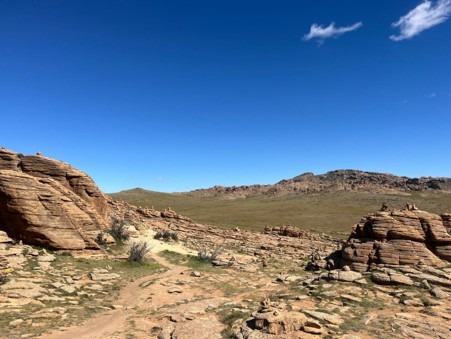
Baga Gazriin Chuluu in central Mongolia is one of many destinations drawing international visitors beyond Ulaanbaatar
Traveller influx triggers expansion of tourist season
Mongolia’s tourist season is one of the most compressed of any major destination, mainly due to the practical reality that the steppe is only accessible by standard vehicle from roughly June through September. July and August together account for the majority of annual tourist arrivals, driven by school holiday schedules in source markets.
Industry players said the Gobi Desert draws an estimated 70–80 percent of first-time international visitors. The Golden Eagle Festival, held each October in Bayan-Olgii province, is also emerging as a distinct high-season draw for photographers and cultural travellers, operating outside the summer peak.
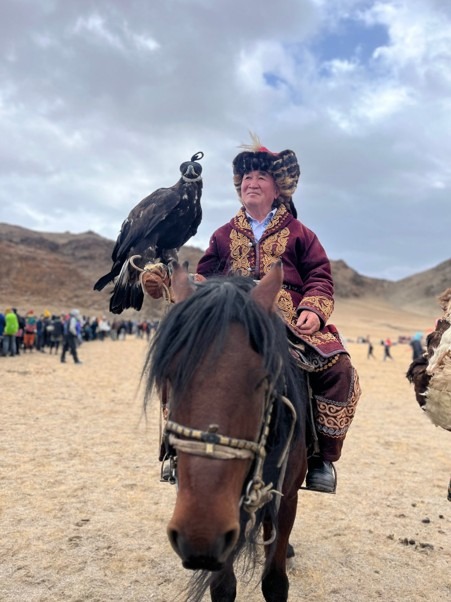
The Golden Eagle Festival in Bayan-Olgii is a big draw for international visitors
The Gobi Wonders Expedition – a spectacular event that includes competitions based on speed, agility, and accuracy of the magnificent Golden Eagles and some great Kazakh traditional games such as Bushkashi, Tiyn Ter, archery and traditional camel racing – which runs from June through September and covers the Flaming Cliffs of Bayanzag, Khongor Sand Dunes, and Yol Valley – is also attracting international travellers in large numbers of late, according to tour operating firms.
Mongolia, however, is reportedly making a strategic pivot to winter tourism in the wake of the rising international tourism interest in the country. Authorities now offer over 30 Snow and Ice Festivals as part of its efforts to scale up its cold-weather offerings.
Besides, major events like the Blue Pearl Ice Festival in the Khövsgöl province is also becoming a major attraction for international travellers, drawing over 20,000 international visitors in just the opening days of 2026, industry officials said.
Wellness travel emerges as a major draw
Besides the steppes and dramatic desert vistas, Mongolia is also becoming a major draw for international wellness travellers, lured by its offering of yoga wilderness adventures.
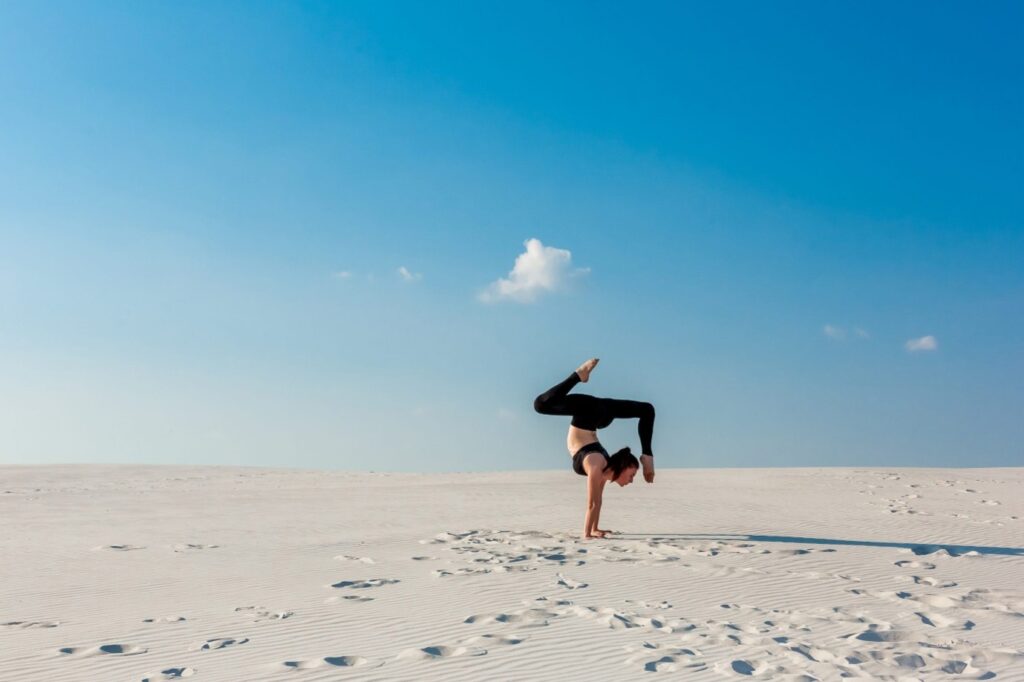
Wellness travellers are lured by yoga wilderness adventures
Industry players said curated itineraries place yoga shalas and meditation mats right on the open steppe or within desert expanses. These programmes use the thin, crisp air to gently ramp up physical conditioning and cardiovascular mindfulness.
Mindful travellers are also reportedly booking specialized tours to the Shambala Energy Centre in the Gobi Desert for spiritual and shamanic healing encounters.
Wellness tourism providers said rather than standard commercialized therapy, wellness seekers engage in authentic Shaman encounters and spiritual meditation sessions guided by resident Buddhist monks. This approach emphasizes mental clarity, ancestral heritage, and deep grounding, they said.
The rising demand for wellness tourism has also reportedly led to several market players to offer highly trendy winter packages, combining sub-zero snow excursions with immersive soakings in mineral-rich, volcanic-heated thermal waters. This delivers natural contrast therapy that targets inflammation and chronic muscle fatigue
Meanwhile, the country is also seeing a major upgradation in its eco-luxury wellness infrastructure. Premium operators now offer upscale wellness gers, while high-end retreats now routinely integrate daily pranayama and sound-bowl meditation with organic vegan/vegetarian cuisine and specialized massage therapies, satisfying the exacting demands of luxury wellness tourists, operators said.
‘Vision 2050’ to solidify Mongolia’s positioning
Sector experts said Mongolia is strongly projected to solidify its standing as a major leisure and wellness destination well beyond 2026.
Rather than a short-lived fad, the country’s travel sector is undergoing a structured, long-term expansion under an aggressive government “Vision 2050” framework and a $4 billion infrastructure roadmap. The master plan officially targets 2 million annual international visitors and aims to scale tourism to 10 percent of the national GDP by 2030, they said.
To maintain the current momentum in international tourist inflow, the government has extended its national tourism campaign through 2028. The policy continuity is part of the government’s efforts to ensure that the streamlined digital arrival visas, targeted global marketing, and open-skies aviation policies that triggered the initial boom will remain fully active for years to come, official sources said.
Meanwhile, private operators are also upping the game by undertaking rapid modernization of premium infrastructure projects. Luxury wellness and leisure operators are reportedly heavily investing in permanent, year-round eco-lodges.
Private sector players are also now providing tech-driven comfort to international travellers, with remote retreats seamlessly blending isolation with modern luxuries by integrating Starlink satellite connectivity and temperature-controlled facilities to easily handle harsh seasonal shifts, according to Jamogrand, an Ulaanbaatar-based tourism and trade firm.
Tourism investment has also systematically shifted beyond the capital city of Ulaanbaatar, with capital flowing directly into regional hot spots like the Gobi Desert, the Altai Mountains, and Lake Khövsgöl, Jamogrand said.
Sector analysts, who predict a massive surge in international leisure and wellness tourism in Mongolia in the coming years, said as traditional Asian and European leisure hubs suffer from crushing overtourism, international luxury travellers are willing to pay a premium for quiet exclusivity.
Because its vast landscapes inherently restrict overcrowding, Mongolia is perfectly positioned to capture the long-term, high-spending market segment focused entirely on privacy, pristine environments, and digital detoxing, they said.