
By James Mathew
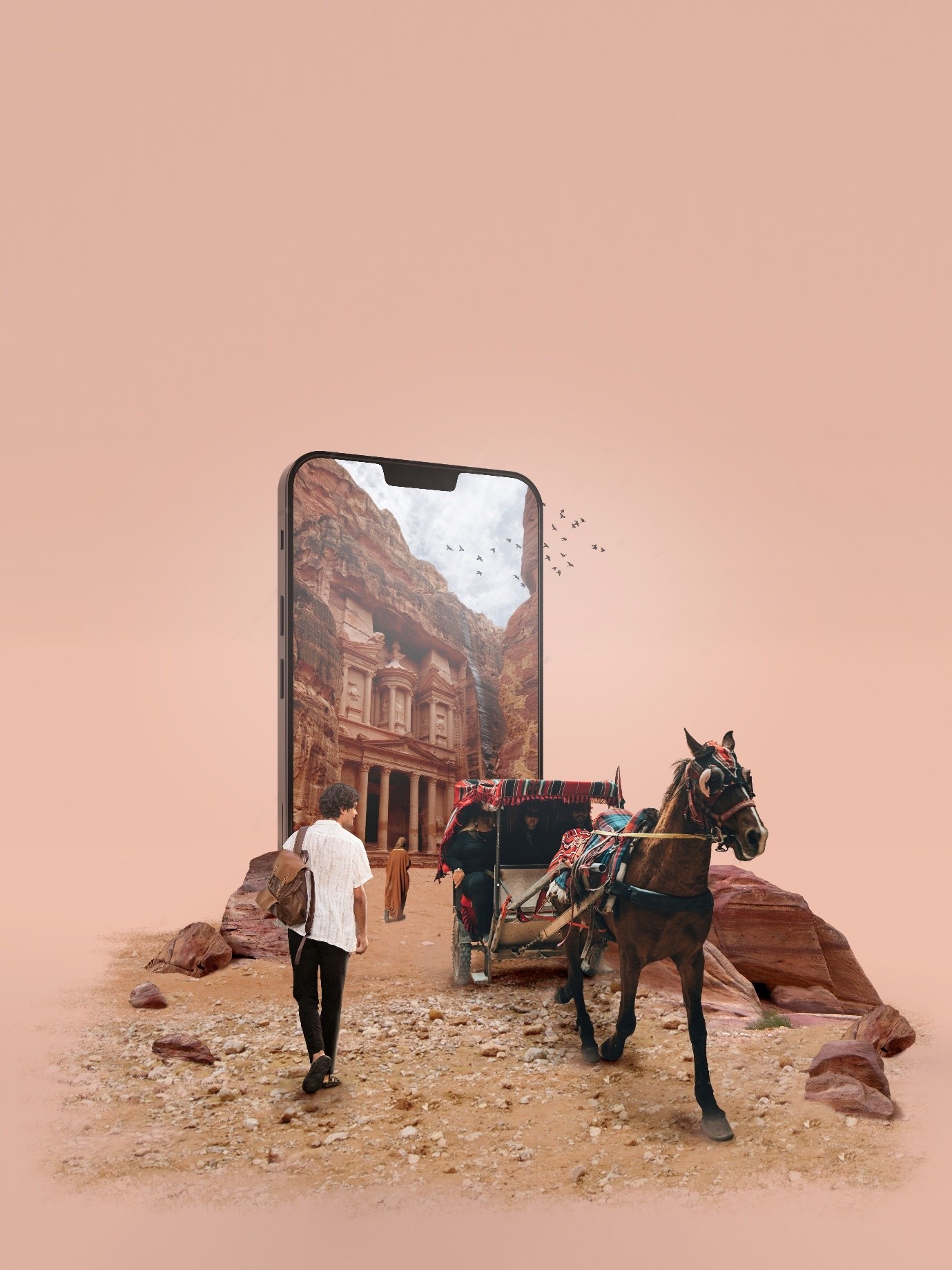
The glossy brochure is dead. Modern destination marketing is seeing a paradigm shift from selling places to selling feelings, as travellers are increasingly seeking core memories, bypassing the standard checklists.
Marketing of travel and tour destinations has entered a highly innovative phase – in both leisure travel and wellness travel sectors – trading rigid itineraries for a seamless mix of nostalgia, adrenaline, and wellness, sector experts said.
No flashy images, just raw feelings! Photo courtesy: Magnific
Instead of broadcasting generic images of pristine beaches, enchanting mountains and historic monuments, marketers now target hyper-specific emotional states and identity segments, based on real-time behavioural data, they said.
According to market players, exotic leisure and wellness sectors have seen the most drastic evolution, shifting from basic luxury to holistic, science-backed lifestyle integration.
Powered by conversational AI, snappy vertical videos, and the quest for peak personal experiences, modern travel marketing is fast turning into an emotional powerhouse, driving record revenues, industry analysts said
This shift is sparking an unexpected trend: tiny, previously unknown destinations are having a major moment – emerging as trendy hotspots for leisure and wellness travellers, market studies showed.
Why the shift is radical
Sector experts said the core difference between the traditional and the evolving destination marketing lies in agency and authenticity.
Traditional marketing used high-production fantasy to push a top-down narrative of a destination. Modern marketing, on the other hand, functions bottom-up – it listens to the specific, immediate psychological needs of the traveller and serves tailored, micro-targeted proof of those exact real-world experiences, they said.

Innovative ads are about selling feelings Photo courtesy: Magnific
“While traditional marketing pushes manufactured, rigid itineraries onto passive consumers, modern tools grant travellers the agency to co-create their own journeys,” a Dubai-based industry analyst said.
According to Gavin McKenna, an industry expert, for years, destination marketing organizations (DMOs) have treated social content as a supplement to their “real” marketing – the websites, the campaigns, the carefully approved imagery that took six weeks and fourteen stakeholders to sign off.
That hierarchy is flipping. With vast majority of today’s travellers – mainly Gen Z travellers – discovering destinations on social media platforms, social content is increasingly where the trip decision begins and ends, according to McKenna.
Marketing industry experts said travel promotions, focusing on selling a specific internal transformation rather than a physical location, will be the future of destination marketing going forward.
Destination Marketing Organizations are abandoning rigid, demographic-focused ad campaigns, and building campaigns around a desired feeling – such as “extreme calm”, “nervous system reset”, or “digital detachment”, according to Lisa Marie Jackson, an integrated strategist at Envisionit, an integrated growth marketing agency.
Trend helps emergence of new destinations
Sector experts said the positive spin-offs of the new marketing ideas and innovative marketing strategies are that they are creating a surge in unique leisure and wellness destinations.
By shifting the focus from geographic locations to transformative personal experiences, the innovative marketing strategies help lesser-known, exotic locations bypass traditional tourism routes and capture high-spending, modern travellers, they said.

Transformative personal experiences are the new ad focus Photo courtesy: Michael Lee/Unsplash
To cash in their new surging demand, the new destinations, in turn, use predictive artificial intelligence to shift away from “one-size-fits-all” vacation packages. They are opting for tailored ad campaigns and website experiences adjusted in real-time to deliver custom itineraries matching a user’s unique stress, energy, and fitness levels, industry players said.
The new and emerging destinations also overcome their lack of physical footprint by offering high-definition drone footage and virtual reality tours. These help prospective guests to virtually “walk” through a remote rainforest trail or view a hidden desert oasis before booking, according to Cvent, a cloud software platform that helps people plan, manage, and run meetings and large events.
Sector experts said advanced data analytics allow industry players in the new destinations such as resorts to split their marketing sequences dynamically. For example, they promote ads highlighting top-tier private wellness amenities at their facilities among users who browse luxury suites, and highlight their safety credentials and local guide profiles among those looking at hiking trails, they said.

Ad campaigns promote natural assets as medicines Photo courtesy: Fanny Prevost/Unsplash
Marketing natural Assets as “medicine” is another marketing strategy reportedly being used by the new and emerging destinations.
For instance, at a time when travellers, especially the well-heeled and wellness-inclined ones are on the lookout for alternative holiday locations due to rising temperatures in mainland Europe and many other parts of the Western world, lesser-known cool-climate destinations like parts of Tasmania or Nordic regions are successfully positioning themselves as health havens.
The campaigns by these destinations market the natural climate, clean air, and lack of sound pollution as active tools for “nervous system resets”.
AI-led hyper-personalization to drive future campaigns
Marketing industry experts said future destination marketing strategies, especially for exotic leisure and wellness travel, are expected to see more drastic changes in the coming years.
As the segment of travellers who increasingly value raw autonomy, cultural depth, and climate resilience over traditional opulence, marketing will move away from generic paradise imagery toward highly targeted, hyper-transparent storytelling, they said.
The International Air Transport Association (IATA), the airlines trade body, also said that as consumer habits are shifting from ‘travelling to see’ to ‘travelling to experience’, tourist boards and destination marketing organizations must also innovate to meet these changing market needs.
The key strategic transformations predicted to reshape the marketing of exotic leisure travel include further shift from ‘visual envy’ to ‘sensory interruption’ and more leveraging of generative AI to create hyper-personalization narratives.

AI-enabled digital twin of destinations is in vogue Photo courtesy:
Industry players said while artificial intelligence is already being in use to enable travellers to interact with a digital twin of destinations, tailored to show exactly how their specific interests, going forward, AI is predicted to further transform the global tourism industry, reshaping everything from how travellers plan their journeys to how destinations manage their resources.
Real-time weather responsive automated ad campaigns are another feature which is projected to gain further traction in the coming years. According to sector experts, ad campaigns will dynamically adjust in real time based on weather anomalies in target markets. For instance, a heatwave in a major metropolis will instantly trigger automated ad campaigns for remote, breezy island micro-climates or mist-shrouded mountain retreats.
As wild fires and extreme heat conditions becoming a recurring occurrence in the Western world, destinations in cooler climates like the sub-Arctic or high-altitude remote regions are projected to race to brand their cooler climates and fresh environments as the ultimate luxury.
“As global climate patterns shift, exotic marketing will redefine geographic desirability,” an industry expert said.