By Our Staff Writer
The Nepal government has unveiled a new national wellness tourism strategy and a five-year action plan. The strategy aims to establish a new identity for the country’s tourism sector.
The National Wellness Tourism Strategy 2026-2035 and the five-year strategic action plan 2026-2030 unveiled by the ministry of the culture and tourism envisages expanding the scope of traditional adventure and cultural tourism and establish Nepal as an excellent and multifaceted wellness destination.
This strategy, to be implemented in three phases, has outlined a new roadmap to achieve sustainable economic prosperity through the promotion of wellness tourism in Nepal, which has a unique confluence of natural beauty, biodiversity, spiritual heritage, and traditional healing practices.
The policy document shows the basis for providing international-level services through integrated scattered services, quality infrastructure, certification, and skilled manpower, and also plans to commercialise ancient practices.
The strategy has set five major quantitative goals – to increase the share of wellness tourists among the total international tourists visiting Nepal to 11 percent by 2030, establish at least five integrated wellness hubs, and increase the average tourist satisfaction level above 8.5 by 2035.
The policy also proposed to implement a national wellness standards and code of conduct by the end of 2027Similarly to build a quality-based market. It also envisages that all major wellness facilities operating across the country will be mandatorily certified by 2030.
The strategy has adopted a policy of identifying and developing specific wellness hubs based on the characteristics of different geographical regions of the country. The Kathmandu Valley will be promoted as a hub for spiritual and cultural integration, where heritage yoga centres, Buddhist meditation centres and traditional spa services will be available in an integrated manner.
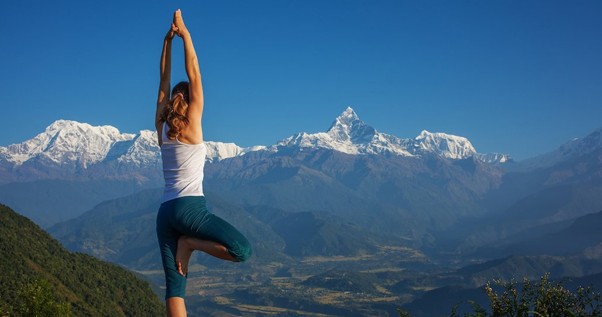
Pokhara and the Annapurna region will be developed as the capital of nature-based rejuvenation and yoga, offering services such as forest bathing, trekking circuit wellness, and herbal treatments in the lap of lakes and mountains.
Lumbini, the birthplace of Buddha, will be made a global centre for spirituality and meditation, where meditation retreats and pilgrimage wellness packages based on Buddhist philosophy will be operated. Mountain stations like Nagarkot, Dhulikhel, and Sarangkot will be developed as ashrams and community-based wellness villages, offering organic food and yoga sessions.
In high Himalayan regions like Manang and Mustang, ‘Altitude Wellness’ and remote spiritual practice centres will be established to provide a different life-transforming experience to adventurous tourists.
The concept of ‘Monastery Meditation Retreats’, where Buddhist philosophy and mindfulness practices are taught through residential programmes in Buddhist monasteries, is also part of the strategy.
By operating 7 to 14-day ‘Panchakarma Detox Retreats’ based on indigenous Himalayan herbs and Ayurvedic principles, Nepal will be branded as an affordable Ayurvedic treatment centre. In addition, unique healing methods such as Nepali traditional singing bowl, Reiki, and indigenous shamanic practices will be scientifically organized and presented to international tourists, as mentioned in the strategy.


