
By James Mathew
As the core shifts, the periphery must adapt! The drastic changes sweeping across the tour and travel industry is driving a structural change in the affiliate ecosystem, with a fast-growing section of market operators shifting from ‘brokers of logistics’ to ‘architects of human transformation’, industry players and market research revealed.
The support market is in the midst of a major churn, spawning a new segment of exotic luxury leisure and wellness travel organizers in the wake of the psychological shift in the tourism sector toward “experiential” travel from the traditional ‘value-for-money’ packed-up holiday trips.

Changing travel perceptions causes churn in affiliate market Photo courtesy: Yousef Alfuhigi/Unsplash
More importantly, the new kids on the block are fast emerging as the dominant market players, driving the industry’s financial expansion.
The new breed of industry operators focuses on luring the surging segment of ‘experiential-seeking’ travellers specialize with exclusive and exotic leisure and wellness travel packages, commanding premium pricing, while the traditional tour operator model, which relies on mass-market volume, stares at a severe crisis situation, facing stiff margin compression, sector experts said.
Over the last 12-month period, the general tour and travel operator ecosystem is seeing a pronounced polarization with the rising trend of travellers, especially the affluent and adept ones, prioritizing high-end seclusion and experiential enrichment over material luxury, they said.
High‑end travel brands are reporting record bookings Photo courtesy: Z/Unsplash
From London to Los Angeles, Sydney to Singapore, and Mexico to Mumbai, high‑end travel brands are reporting record bookings, reflecting the fast-changing market dynamics, showing that the appetite for exclusive experiences is gaining stronger traction.
According to the latest data from the Virtuoso Luxury Travel Network, a globally operating industry player, luxury operators have achieved a 21 percent surge in year-over-year sales, heavily driven by specific high-value features of the new travel trend.
The market data for the past 12 months also confirms the trend – the exotic leisure and luxury travel model segment is estimated to have reached a market value of $1.7 trillion, the wellness tour organizing model stands at $1.08 trillion, while the traditional tour operator model has dropped to $166 billion, as per Research and Markets.
Changing perception shifting market dynamics
The shifting market dynamics in the tour and travel sector is also a result of the changing perception about holiday trips among a rising segment of travellers.
Market studies and industry players reveal that modern luxury is less about gold‑plated opulence and more about meaningful, personalised adventures. The definition of luxury travel has undergone significant evolution of late, with true luxury for the most sophisticated travellers in 2026 is defined less by thread counts, Michelin stars, and butler ratios, but more by exclusivity, authenticity, access, and meaning, they said.
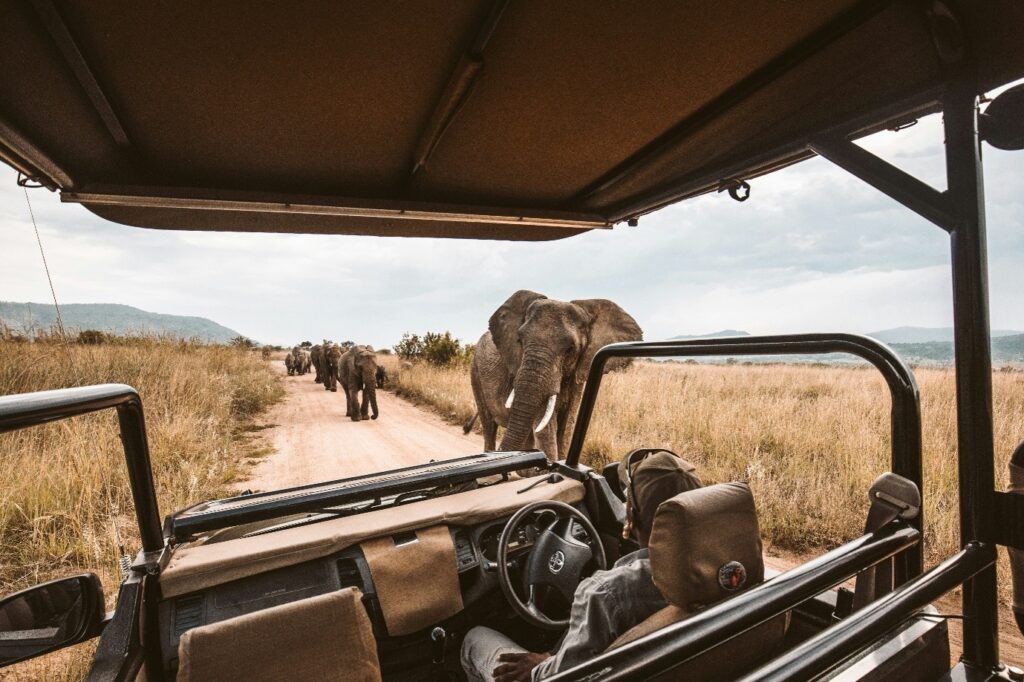
Travel to exotic destinations is the new luxury Photo courtesy: Redcharlie/Unsplash
A conservation stay in a private Kenyan wildlife concession with ranger-guided night walks, a private audience with a master artisan in Kyoto or a once-in-a-lifetime charter expedition to Antarctica are cited as the experiences that define luxury in 2026.
Such trips, travel operators said, obviously command premium pricing that far exceeds the most elaborate traditional five-star hotel stays. This also shows that despite soaring airfare and daily expenses, luxury travellers are proving remarkably resilient, they said.
The surging global population of high-net-worth individuals (HNWIs) – estimated to have reached 22 million and continues to grow at 5-8 percent annually, according to Capgemini’s 2024 World Wealth Report – is reportedly driving this trend.
As this population expands, travel claims an increasing share of luxury spending — overtaking fashion, fine wine, and even fine art as the preferred expression of affluence for the world’s wealthiest individuals, sector experts said.
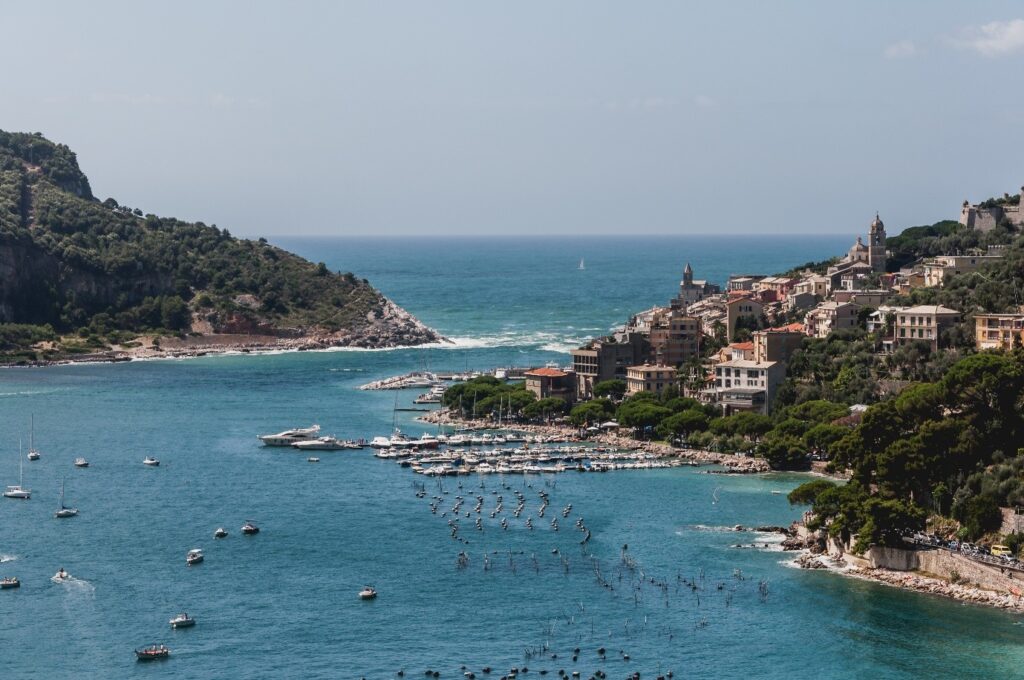
French Riviera among top-ranked luxury destination for HNWIs Photo courtesy: Wirestock/Magnific
Swiss Alps, the French Riviera, the UAE, Maldives, Tuscany, Kyoto, and the Seychelles remain the consistently top-ranked luxury destinations by HNWI preference surveys in 2026. Saudi Arabia’s Red Sea destination, Oman’s emerging ultra-luxury lodges, and Rwanda’s conservation-led luxury safari model are listed as the new entrants which are attracting the experience-seeking segment of the HNWI market that seeks novelty and exclusivity alongside comfort.
Operators re-modelling business plans
As the new breed of adept and affluent travellers are prioritizing seclusion and experiential enrichment over material luxury, market-savvy travel operators are quickly re-modelling their business plans to capture the highly profitable exotic leisure and wellness travel market.
The new segment of tour and travel operators are also modifying their core service delivery frameworks in several distinct ways, including forming exclusive partnerships or buying equity in community-owned eco-lodges to ensure immediate access to highly private, remote terrain for their clients, industry executives said.
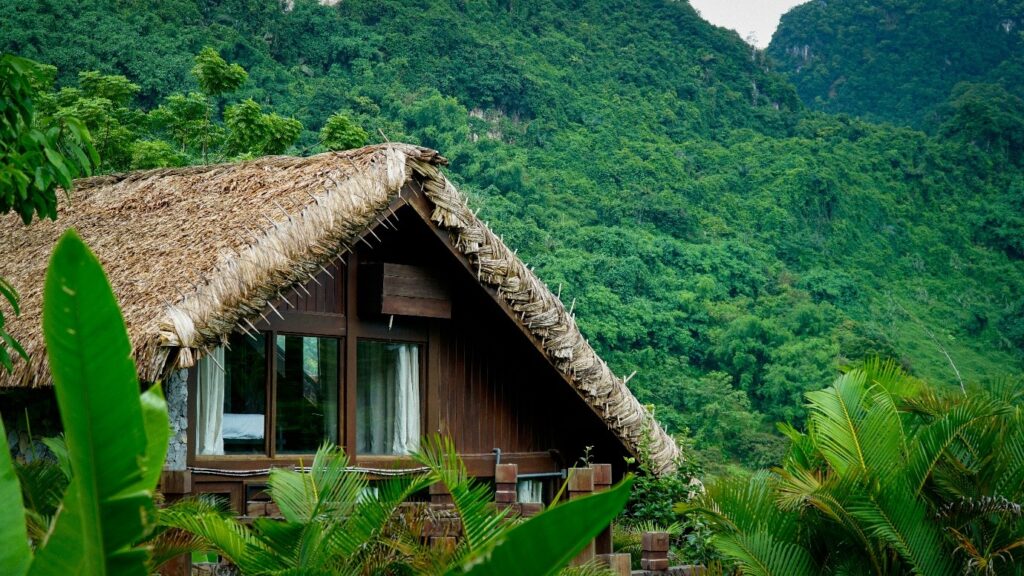
Market-savvy operators opting for co-ownership of eco-lodges Photo courtesy: Yen Vu/Unsplash
As for exotic travel, some of the more enthusiastic operators are reportedly striking alliances with indigenous and tribal elders to form direct, equitable revenue-sharing structures. This is also aimed at securing genuine, culturally protective spiritual rituals.
To cater to the fast-rising segment of wellness-seeking travellers, market-savvy operators are hiring dedicated chief wellness officers, medical advisors and scientists, besides thoroughly vetting property claims to protect affluent clients from deceptive “wellness-washing”, market players said.
The new lot of tour and travel operators are also reportedly aggressively “going micro” – setting up as localized micro-experts instead of operating across entire continents – to capture the surging exotic and wellness leisure travel markets.
The ‘micro’ model also includes micro-geography (involving hyper-local ground curators), micro-segmentation (to target highly specific life-stage niches), micro-itineraries (involving shorter, precision trips) and micro-supply chains (striking joint tribal and eco-asset ownerships with single organic farms, remote indigenous communities, and boutique eco-lodges), according to sector players.
For the wellbeing-seeing travellers, the more innovative market players have also reportedly come up with a “Continuous Journey Framework”, offering 12-month wellness management subscriptions, providing pre-trip biometric preparation and post-trip health integration coaching.
Market division fuels the growth of boutique firms
Industry experts said the polarization in the tour and travel organizing ecosystem has also led to the birth of several smaller agencies – or boutique firms – around the world as their distinctive business models shield them from competing with giant Online Travel Agencies (OTAs).
By automating administrative tasks like quoting, local payments, and scheduling via specialized SaaS software, the new breed of tech-savvy micro-teams can maintain low overheads, while focusing entirely on elite client care, they said.

Demand surge for bike expeditions, solo travel Photo courtesy: Harley Davidson/Unsplash
The market innovation has also led to emergence of ultra-niche market players in a big way. Specialised agencies for organized bike expeditions, solo travels, and women-only group journeys are reportedly surging rapidly, leading to creation of a massive $95 billion plus global solo and adventure travel market currently.
Shifting away from punishing endurance marathons, bike expeditions are fast evolving into premium, multi-day active wellness retreats. According to market players, premium biking operators now track daily biometric data like heart rate variability and muscle strain, besides dynamically adjusting trail distances and customizing therapeutic, anti-inflammatory evening meals based on real-time fatigue metrics.
The rise of long-range electric adventure bicycles has also aided the expansion of this segment, enabling tour operators to create mixed-generation and mixed-fitness itineraries. The new generation e-bikes enable enthusiasts to conquer rugged terrains like the Bhutanese mountains or Iceland’s ring roads, without over-taxing their nervous systems, operators said.
Solo travel and the women-only group travel market, meanwhile, are also reportedly expanding rapidly. While solo travellers are treating independent exploration as a form of non-negotiable mental healthcare, the gender exclusive trips offer women travellers a psychological “sigh of relief”, allowing them to lower their guards, sleep deeply, and fully engage with the destination, market players said.
Industry experts said the tour and travel affiliate market will see more growth and division soon, driven by new tech and changing traveller demands.
Driven by the surging demand for “experiential” travel and the consumer shift toward preventative health, wellness travel has evolved from an optional add-on into a core structural driver of global tourism, according to Phocuswright.