

By James Mathew
From wellness to wealthiest accommodations and several other milestone developments in between, the FIFA World Cup 2026, kicked off on June 11, is set to break several records in the history of the most electrifying sporting carnival.
Sector experts and market players predict this year’s soccer world cup edition to fuel an unprecedented surge in ‘experiential’ tourism where fans combine sports with wellness and cultural exploration.

2026 world cup kicks off in Mexico City Photo courtesy: Karsten Winegeart/Unsplash
Quick estimates reveal that as of mid-June 2026, the FIFA World Cup 2026 across the US, Mexico, and Canada has turned wellness-infused hospitality into one of the highest-revenue categories of the tournament. Major luxury hospitality conglomerates, premium experiential agencies, and high-end independent hotels are upping their revenue streams aggressively curating tailor-made wellness packages to combat matchday sensory overload, multi-city jet lag, and fan fatigue.
Industry players are reportedly structuring their offerings across distinct wellness strategies – mainly “antidote” and “counter-programming packages”. Several resorts in locations away from match cities are also positioning themselves as tranquil escapes from the stadium chaos, offering wellness-oriented fans to recover from sensory overloads the intensity of World Cup matches can cause.
Hospitality players – both in match cities and adjacent locations – are structuring packages around optimized sleep setups, advanced hot/cold contrast therapy, and tailored athletic recovery therapies. Urban luxury properties are also reportedly integrating cutting-edge wellness tools like cryotherapy chambers, hyperbaric oxygen therapy, and IV drip lounges to assist fans recovering from long multi-city match itineraries and stadium fatigue.
Seeking mindful gains beyond the pitch
Sector experts said few events generate anticipation quite like a World Cup, with millions of people begin making decisions that extend far beyond the ninety minutes action time – where to travel, what to wear, how to celebrate, where to stay. However, this year’s event is seeing a major shift in fan demand – an upsurge in queries and demand for wellness-offering accommodations.

Luxury hotels in and around NY offer leisure activities to fans
Tourism experts indicated that the FIFA World Cup 2026 tournament is accelerating a major convergence between sports travel and wellness, especially premium luxury wellness.
Warnings and recommendations by public agencies such as the Pan American Health Organization (PAHO) to promote healthy habits and preventive measures for those attending matches, celebrations, and other large-scale events both inside and outside stadiums are also accelerating the demand for wellness packages this time around.
“The celebration happens both inside and outside the stadiums, but to fully enjoy it, it’s important to take care of yourself and stay informed,” PAHO said as part of its “With Health, We All Win” campaign. The World Cup brings together millions of people—not only in stadiums, but also in fan zones, on public transportation, in restaurants, and in other crowded spaces, risking exposure to infectious diseases and heat-related illnesses, besides injuries.
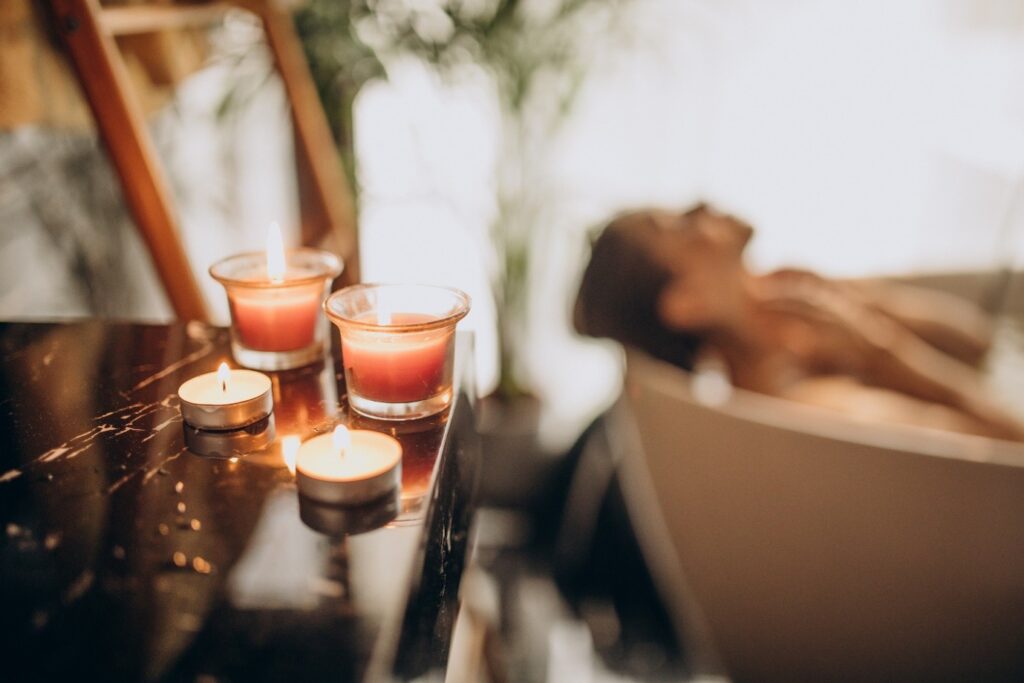
Luxury spas offer recovery packages Photo courtesy: Senivpetro/Magnific
Industry players said the upsurge in demand for ‘sports travel-wellness’ packages has spurred a chain reaction from luxury hotels directly within host cities like Los Angeles, Toronto, Miami, and Vancouver to upgrade their amenities to support ‘urban recovery travel’ and ‘specialized sports rehabilitation’.
The Global Wellness Institute (GWI), through its Sport and Hospitality Initiative, is helping North American hospitality players to build frameworks to better serve traveling recreational athletes and fans. Hotels, in turn, are structuring packages around optimized sleep setups, advanced hot/cold contrast therapy, and tailored athletic recovery therapies.
According to GWI, the fast-growing demand push for wellness as well in sports tourism is projected to generate billions in economic impact. “Events such as the Olympics, the World Cup and Formula 1 attract waves of international travellers, prompting hospitality providers to create packages that combine event access with luxury accommodations, wellness treatments and curated experiences,” it said.
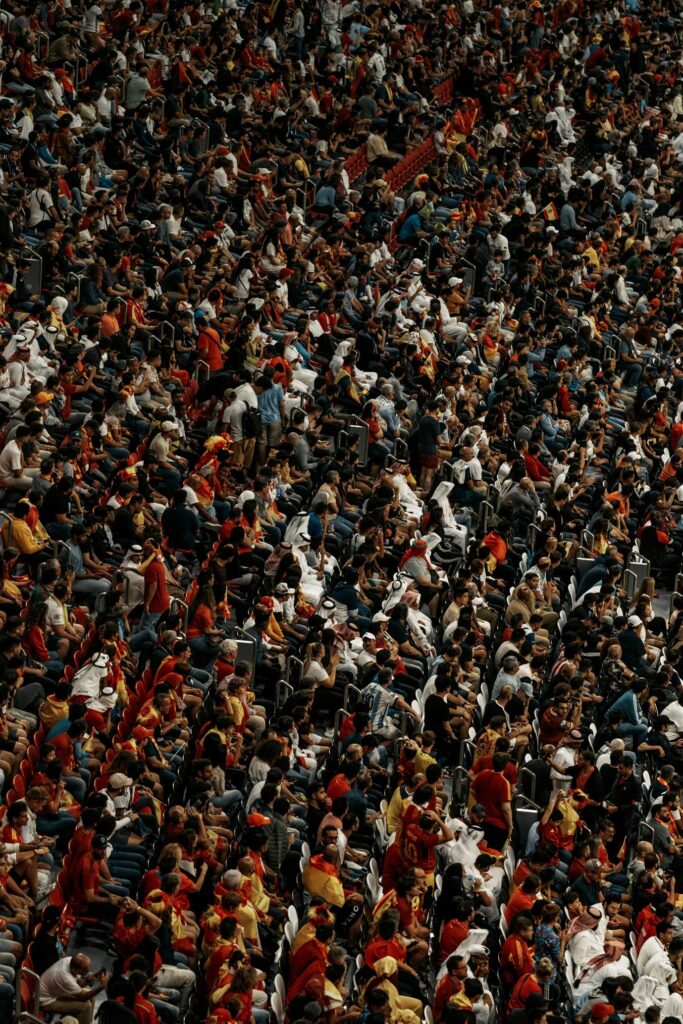
Millions to watch FIFA World Cup Photo courtesy: Untldshots/Unsplash
According to a report in Forbes, more than 500 million ticket requests have been submitted for World Cup 2026 weeks away from the first match in Mexico City on June 11. The current world cup edition will see participation of as many as 48 nations, 104 matches and 16 host cities across the United States, Canada and Mexico, creating the largest World Cup in history.
Expedia Group and PredictHQ estimate the event could generate more than $8.1 billion in visitor spending across North America alone.
Different countries, different offerings
Interestingly, wellness market players in the three host countries – the US, Mexico and Canada – are making themselves distinct by offering different programmes to fans. While those in the US are playing on urban reset and tech wellness options focusing on premium fitness integrations, biohacking apps and contrast baths, wellness players in Mexico are pairing soccer viewing with Mayan temazcal rituals, macrobiotic dining, and jungle spa treatments.
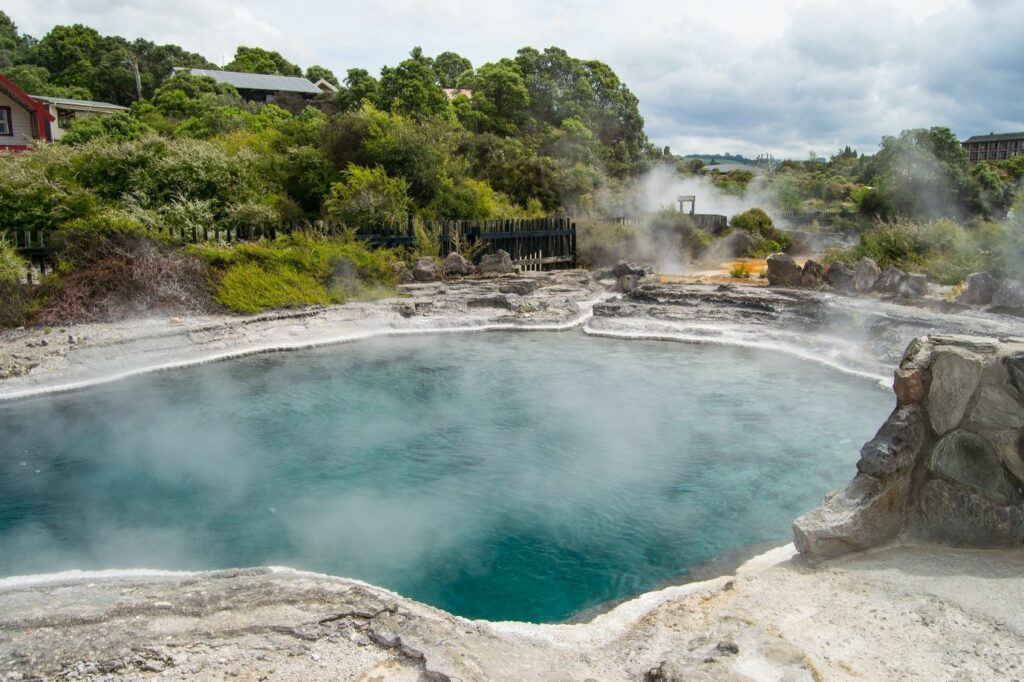
Natural mineral pools in Canada for fans to rejuvenate Photo courtesy: Wirestock/Magnific
Market players in Canada, playing on their cool climate and vast nature immersion facilities, are utilizing natural mineral pools, extensive sauna circuits, and eco-tours to attract wellness-focused fans.
In the US, hospitality majors in Miami such as The Miami Beach EDITION have reportedly come up with offers based on oceanfront recovery, utilizing their oceanfront locations to structure comprehensive ‘fan reset’ routines with custom biohacking in-room IV drip bars to combat heat and hydration loss, and daily cold-plunge and sensory deprivation sessions, contrasting late-night match celebrations with intensive wellness therapy.
Luxury properties in New York and New Jersey are offering high-end “matchday antidote” programming tailored specifically for corporate VIPs and high-net-worth fans travelling back and forth to MetLife Stadium.
In Mexico City, luxury boutique networks including properties like Allegra Homes and ultra-premium urban retreats offer curated restorative ancient Mexican wellness methodologies to help fans to relieve from stadium chaotic energy at the Azteca Stadium.
Premium wellness-centric properties near the Toronto Stadium and BC Place Vancouver such as Shangri-La Toronto and Fairmont Pacific Rim in Vancouver have come up with wellness programmes such as advanced circadian rhythm adjustments and sleep optimization for fans enduring aggressive time zone hops across the three host nations.
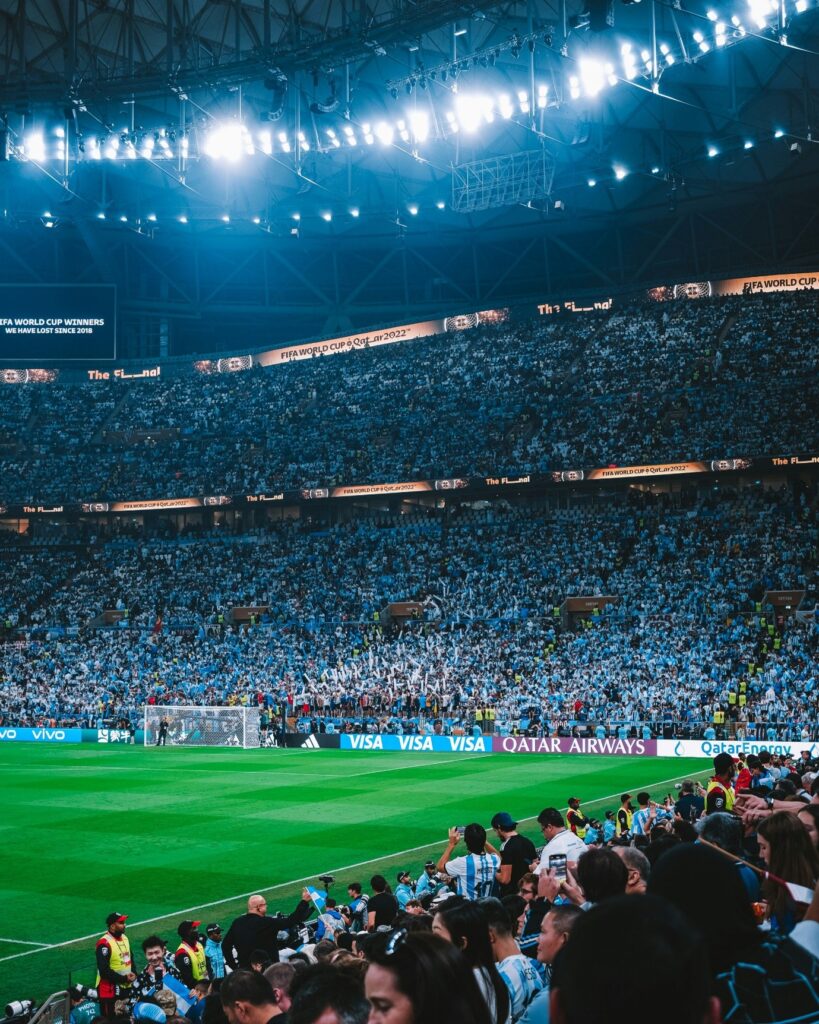
Fans seek mind-body relaxation after stadium frenzy Photo courtesy: Igor Batista/Unsplash
Of course, the match-weary unwinding wellness offerings are coming at a cost. While the programmes in the US match cities are offered in the range from $4,500 to $12,500+ per night, depending on match-week proximity in Miami, those in NYC are listed from $5,300 to over $25,000 per package window.
In Mexico, the estimated costs range from $1,500 to $4,000 per night for full villa-style buyouts and premium private wellness group packages, while packages in Canada are offered starting around $1,200 to $3,500 per night when bundled with wellness concierge amenities.
Options galore fore fans outside match cities
Industry players said while most of the rush is seen in accommodations within and nearby areas of match cities in the three host nations, some of the leading hospitality majors in in thousands of miles from the nearest stadium cities have also come up with aggressive wellness-enabled stay packages for soccer fans.
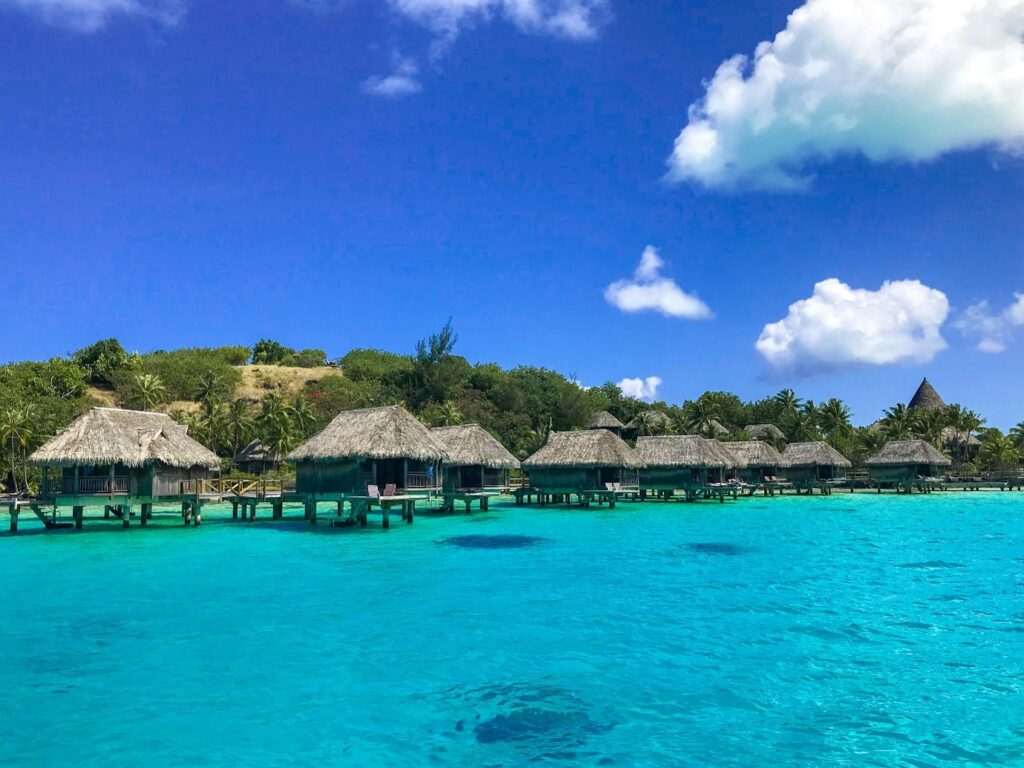
Polynesia among off match city locations luring fans Photo courtesy: Jo-Barnes/Unsplash
The Brando in French Polynesia and Allegra Homes near Mexico City are among a host of such properties which is promoting the World Cup-period programme centred around private villas, wellness, recovery and performance-focused hospitality.
While hospitality majors such as Brando are reportedly offering curated spa treatments and isolation-based wellness to cater to travellers escaping the crowded host cities, off city properties near Mexico City are offering full buyouts tailored to VIP corporate groups, with packages to balance match screening spaces with dedicated private wellness gardens and custom clean-eating menus.
2026 World Cup’s unprecedented impact on the wellness economy
Sector experts said the surge in high-ticket wellness spending during this year’s World Cup is acting as a major financial accelerator for the global wellness tourism market, which is currently valued at $1.06 trillion.
This also adds to the many records the FIFA World Cup 2026 is breaking. Sales for the programme reportedly already surpassed total hospitality sales revenues for the FIFA World Cup Qatar 2022 in June 2025, a full year prior to the 2026 tournament.
As of March 31, 2026, FIFA World Cup 2026 hospitality sales had reportedly more than doubled revenue obtained through any previous World Cup programme. In terms of number of packages sold, the current edition has also already surpassed the 2014 FIFA World Cup Brazil – the most attended edition to date from a hospitality perspective.


