
By James Mathew
Move over destination weddings, ‘Wellness Weddings’ – seeking to blend love and well-being – are emerging as the new fad among Gen Z and millennials, fast rising as the high-end subset of the estimated $65 billion global destination wedding market.
The trend is reportedly seeing a surge in 2026, with the ‘wellness weddings’ market seen thriving, transitioning from niche concepts to mainstream luxury. Specialised wedding planners said a rising number of couples are now replacing party-first overindulgence with intentional, multi-day experiences, featuring morning yoga, sound baths, cold plunges, and IV hydration bars to help guests recover from late nights.

Saying ‘I do’ in a wellness way! Photo courtesy: Vadim Paripa/Unsplash
Demand indications and market projections point to the ‘wellness wedding’ segment exploding into a massive market over the next few years, further expanding the estimated $2 trillion overall wellness market globally.
Factors such as Gen Z increasingly seen viewing wedding ceremonies as a grounded emotional ritual rather than just a massive party, and rising incidents of younger couples actively pushing back against performative and exhausting cookie-cutter wedding scripts for curated, intentional health experiences, are the reasons cited for the projected massive expansion of the ‘wellness weddings’ market.
The trend is also triggering birth of a new set of niche wedding planners and allied service providers as young couples increasingly investing in wellness entertainment to offer their guests rejuvenating experiences that go beyond tradition. Their new ‘D-Day’ planning involves eco-friendly destinations with serene settings, nourishing cuisine and holistic wellness activities – designed to turn every moment of the celebration to promote harmony, health, and happiness.

US leads wellness weddings market globally Photo courtesy: Tim Stagge/Unsplash
The US, estimated to be accounting for 35 – 40 percent of the market, is leading the regions driving the highest volume of high-end, experiential, and wellness-focused weddings as of early 2026, followed by Asia-Pacific (30-36 percent), which has massive wellness epicentres such as Goa, Kerala and Rajasthan in India, and exotic hubs in Thailand and Bali. Europe, with countries like Italy, France, and Spain figuring as premier international destinations for holistic, slow-paced, and experiential weddings, account for 20 percent of the market.
Market sees fast evolution
Senior executives at specialized wedding planner platforms catering to this emerging market segment said while millennials pioneered the concept of self-care and experiential weddings, Gen Z is of late seen pushing for fully institutionalising wellness as a non-negotiable standard for their wedding itinerary.
From a slow start in recent years, the ‘wellness wedding’ movement is also seeing a quicker evolution of late, with specialised neuro-wellness, biohacking recovery, and somatic grounding programmes becoming the essential activities driving ‘wellness weddings’ in 2026, ditching the staple yoga and spa sessions, they said.
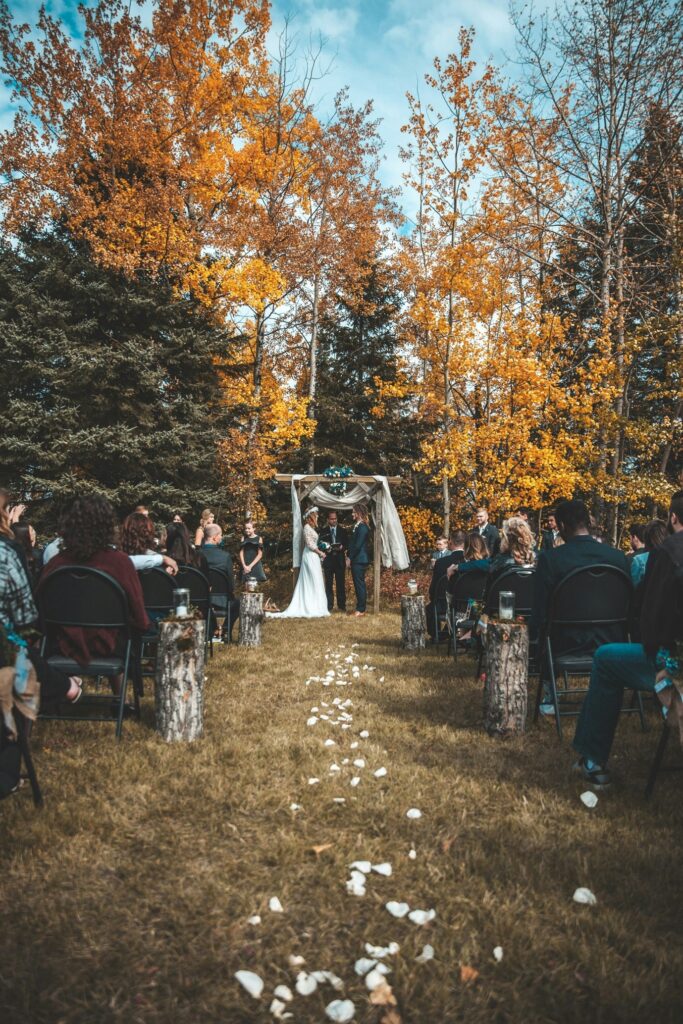
Wellness wedding market sees upsurge in 2026 Photo courtesy: Redd Francisco/Unsplash
Both Gen Z and millennial couples now also opt for small guest lists so they can spend quality, unhurried time with loved ones in relaxing environments. Wedding planners said though international wellness weddings are currently estimated to be 15 percent to 30 percent more expensive than traditional weddings on a per-guest basis, couples save money overall by utilizing a highly compressed, intimate guest count.
Another growing trend catching up this year in this segment is the environmental ethics-focused spending by Gen Z for their weddings. Data from green wedding consumer reports shows that over 52 percent of young couples now mandate eco-friendly wedding options.
Besides, they prioritize that their wedding venues should align with their ‘wellness’ value system, featuring farm-to-table local catering, zero single-use plastics, and living, potted plant decorations instead of thousands of discarded cut flowers.
Significantly, planners said the ‘wellness wedding’ movement is also bringing about a radical shift in bridal make-ups, with the concept on ‘looking good’ with heavy, masking makeup on the wedding day shifting to long-term health. Young brides and grooms now treat beauty as an internal process, investing months ahead in gut health, anti-inflammatory nutrition, and sleep optimization to look naturally vibrant, they said.
Gen Z, Millennials driving the market
Youngsters – specifically Gen Z and younger millennials – who are driving the shift toward wellness weddings, make up the vast majority of modern couples dominating the health-conscious wedding market.

Gen Z and Millennials are driving wellness weddings
Industry data from platform insights like the Bridebook Gen Z Wedding Index reveals a massive surge in alternative, health-conscious vendor requests. The data revealed a massive 747 percent year-over-year increase in ‘wedding matcha’ searches and a 642 percent spike in dedicated pre-wedding skincare/wellness coaching.
Industry insiders said in line with the rising trend of the “sober-curious lifestyle, younger couples are shunning the old-style wedding week blasts defined by hangovers and late-night rowdiness, and instead prefer spending their beverage budget on adaptogenic elixir bars, high-end kombucha on tap – premium, artisanal fermented tea dispensed from a refrigerated draft system – and cold-pressed juice mixology that leaves guests feeling clear-headed and energized the next morning.
To counteract travel fatigue and wedding-day anxiety, couples are also said to be introducing grounding practices into their welcome itineraries, with group somatic release classes and guided breathwork sessions becoming essential features of ‘wellness weddings’, aimed to physically dispel stress before the main events begin.
Besides, welcome nights are also taking a gentler turn with candlelit sound baths to lower cortisol levels, while lounges equipped with pneumatic compression boots are preferred to help guests recover from hours of dancing and standing.
Industry watchers said designated decompression zones are becoming an essential venue requirement of late, as couples intentionally cutting out over-programmed, chaotic timelines.
Food and drink have also transitioned into functional medicine, focusing heavily on gut health and clean energy as part of the rising ‘wellness wedding’ movement, they said.
Bachelorette trips
Significantly, the growing fad for ‘wellness weddings’ are also fast transitioning bachelorette trips to a run up to ‘rest, rejuvenation and mindfulness’. Wellness bachelorette weekends are increasingly shunning wild party getaways, and instead focus on sound healing, spa therapies, and nourishing meals.
For years, bachelorette trips followed a familiar formula – late nights, packed itineraries, endless partying, and returning home more exhausted than refreshed. But as weddings themselves evolve, so do the celebrations surround them, wedding planners said, adding that in 2026, brides are rethinking what they actually want before one of the biggest moments of their lives.
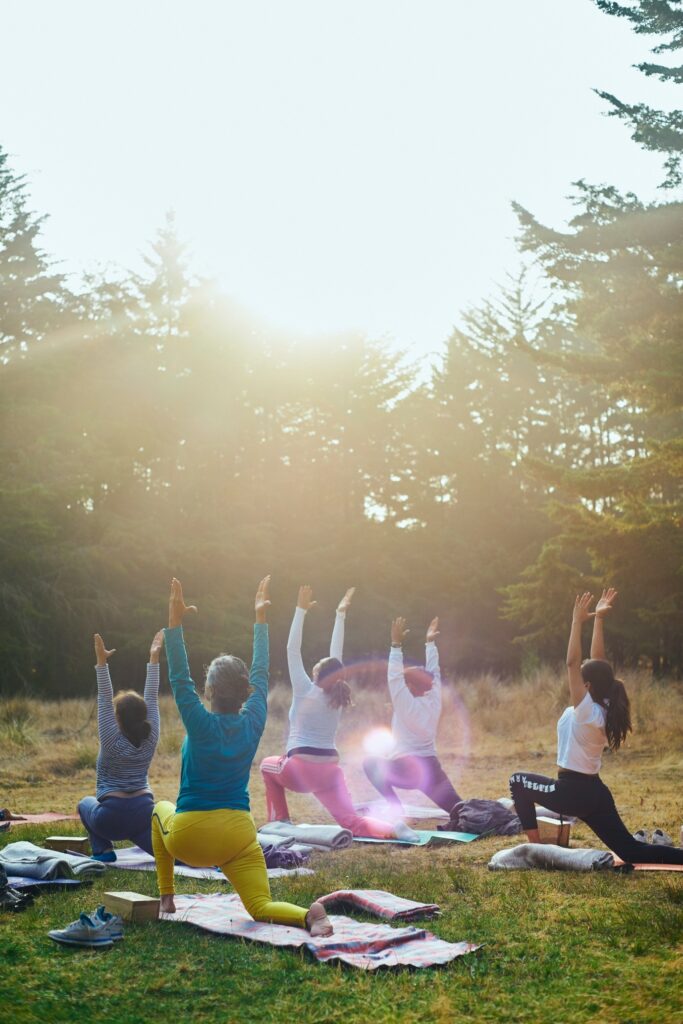
Feel good bachelorette trips are in vogue now Photo courtesy: Amauri Mejia/Unsplash
According to Pema Wellness, an India-based specialised wedding planner firm, today’s brides are looking for experiences that make them feel good, not just for a weekend, but for the wedding itself.
“The days leading up to a wedding are often emotionally and physically demanding. There are fittings, guest lists, endless decisions, social commitments, and stress that naturally builds up. Rather than adding another high-energy event into the mix, many brides are choosing celebrations that actively support their well-being,” it said.
Industry insiders said the changes seen in weddings and bachelorette trips of late are actually a reflection of the changing definition of luxury itself. Today, luxury increasingly means feeling your best. A wellness bachelorette is not about eliminating fun. It is about redefining it, they said.


