

By James Mathew
‘Safety’ has suddenly become the new buzzword in the global wellness tourism market, gaining much currency in the last few weeks.
From South America to North America, from Europe to Asia, wellness tourism market players in leading destination countries have unleashed a marketing blitzkrieg centred mainly on the ‘safety’ plank to cash in on the rising shift in traveller preferences for ‘safe haven’ destinations amidst the growing spectre of missile and drone ‘fire works’ in the Middle East.

‘Safe’ haven campaign to woo customers Photo courtesy: Viarprodesgin/Freepik’
The promo packages, however, stress on the ‘authentic’ and ‘distinctive’ healing therapies in their respective regions to gain customer attraction. As if to go with the times, also on offer are specially curated mental health-focused programmes with the distinctive local expertise to address the “psychological scars” of global conflicts!
The aggressive marketing strategies by retreats and wellness service providers in Europe, Americas and Asia, sector experts said, are aimed at repositioning themselves to capture travellers diverted from traditional Middle Eastern hubs. The strategy also includes launching targeted initiatives focused on safety, accessibility, and high-tech ‘longevity’ programmes.
Regional strategies and initiatives
Interestingly, the marketing strategies of different markets in ‘safe haven’ leading destination countries follow their own distinctive characteristics, playing on their respective unique aspects to garner customer attraction.
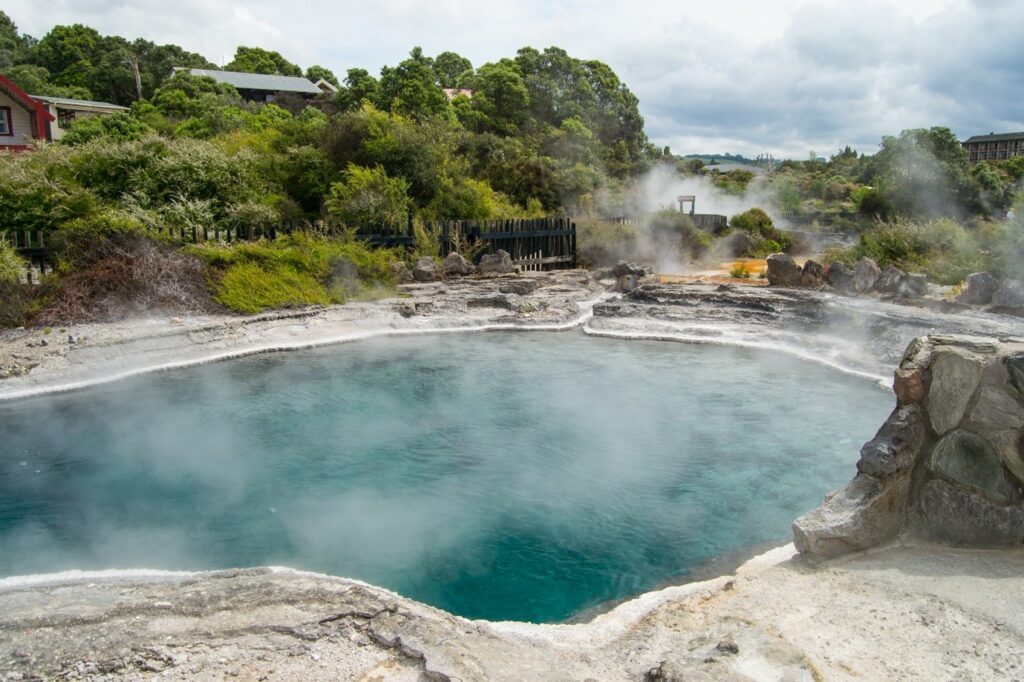
Thermal water-based wellness in Germany Photo courtesy: Wirestock/Freepik
While leading European destinations highlight stability and strategic outreach to leverage their reputation for natural resources like thermal water-based “medical wellness” to attract patients, market players in the US target the rising trend of ‘lifespan-enhancing’ trips by wellness travellers by offering high-tech-enabled ‘longevity’ programmes.
For market players in Latin America, the focus is on ‘eco-wellness’ and ‘cultural healing’ to appeal to the sustainability-conscious wellness travellers. Leading destination countries in Asia, on the other hand, play on the ‘healing is the new luxury’ campaign, besides highlighting visa relaxations and high-value subsidy programmes to secure international travellers looking for stable alternatives.
Industry insiders said European market players have also initiated major market diversification move, with tour operators in some of the destination countries actively partnering with global health providers to promote Europe as a stable alternative for high-end wellness and medical procedures.
Europe calling
Major wellness tourism destinations in Germany, Switzerland, Spain and Austria are aggressively positioning themselves as safe, high-tech, and nature-centric alternatives for travellers avoiding conflict zones in West Asia. These European hubs have kicked off targeted campaigns and infrastructure to capture diverted high-margin wellness tourists, amidst projections of significant decline – with estimates up to 27 percent – in arrivals in the Middle East.

Switzerland woos with its nature-therapies Photo courtesy: rawpixel.com/Freepik
Countries like Germany have also reportedly launched targeted national campaigns, leveraging their reputation for medical wellness using natural resources like thermal waters to attract patients who in the past would seek such treatments in the Gulf.
Switzerland, billed as the epicentre for ‘longevity’ tourism, highlights its expertise in scientific wellness, with several domestic clinics reportedly planning expansions to offer ‘longevity labs’ featuring DNA testing and biohacking to appeal to affluent wellbeing seekers from around the world.
While countries like Spain offer Mediterranean safety and “Sun and beach” luxury wellness, Austria’s marketing strategy reportedly revolves positioning its alpine resorts as accessible alternatives to Middle Eastern luxury hubs.
Other European destination markets such as Croatia, Iceland, Albania and Montenegro are also in the fray to tap into the shift in wellness travel preferences, highlighting their respective rejuvenation through nature-based therapies.
According to sector experts, there are already indications that the strategies are paying off, with leading wellness destinations in Europe are absorbing demand from travellers and patients who are actively diverting from West Asian hubs due to the intensifying conflict. There is, however, no exact data on growth for the entire European wellness market is available, they said.
Major European transit hubs are reportedly also picking up long-haul traffic that previously routed through Dubai or Doha. These hubs are said to be repositioning to capture the “wellness layover” market as West Asian airspace remains restricted.
US dangles ‘longevity’ card
With the growing trend of wellness travellers now prioritizing ‘lifespan-enhancing’ trips, market players in the US are reportedly wooing them with their high-tech ‘longevity’ programmes, featuring neuro-fitness training, DNA testing, and biohacking packages.

US targets ‘lifespan-enhancing’ travellers Photo courtesy: Eran Design/Freepik
The US wellness sector is also leveraging its lead in medical innovation and perceived safety to woo affluent travellers who previously frequented the Gulf for high-end healthcare. Market players in leading wellness destinations are also reportedly resorting to aggressive digital marketing campaigns to capture the attention of health-conscious consumers looking for safe, domestic, or North American alternatives.
Their offer menu also has community and connection initiatives, apparently aimed at countering global loneliness and conflict-related anxiety. Shifting away from the traditional mode of isolated clinics, the new move offers communal wellness activities like group hiking and vision boarding.
Latin America lures with ‘eco-wellness’
The marketing strategy by Latin American operators, meanwhile, focuses on their popular ‘eco-wellness’ segment, targeting the ‘Gen Z’ travellers from the US and Europe with nature-immersive experiences like forest bathing. They are aggressively marketing regenerative travel and all-inclusive ‘eco-luxury’ retreats to woo the sustainability-conscious wellness travellers.
Market players in leading destinations such as Mexico and South America highlight their “cultural healing” and traditional medicine practices to offer viable options to exoticism travellers, who have previously sought such programmes in some of the Middle Eastern destinations such as Jordan or Saudi Arabia.

Latin America calls with ‘eco-tourism’ card Photo courtesy: Rodrigo Gonzalez/Unsplash
Mexico and Brazil are also reportedly actively expanding direct international air routes to capitalise on the disruption of West Asian transit hubs, which typically facilitate about 40 percent of travel between Asia and the West.
Asian markets woo with cost advantages
Major wellness tourism destinations in Asia have launched aggressive new marketing campaigns, announced visa relaxations, and high-value subsidy programmes to secure international travellers looking for stable alternatives in the wake of the ongoing West Asia conflict.
Malaysia, a leading Asian wellness destination, is reportedly planning stepping up promotion of its ‘Visit Malaysia 2026’ campaign in the wake of the Middle East crisis, with Tourism Malaysia rolling out ‘doles’ such as free night stays, theme park tickets, and shopping vouchers bundled with hotel bookings. The tourism promotion authority is also reportedly engaging directly with carriers and agents to offer heavily discounted ‘summer holiday’ packages targeted at the Asia-Pacific market.
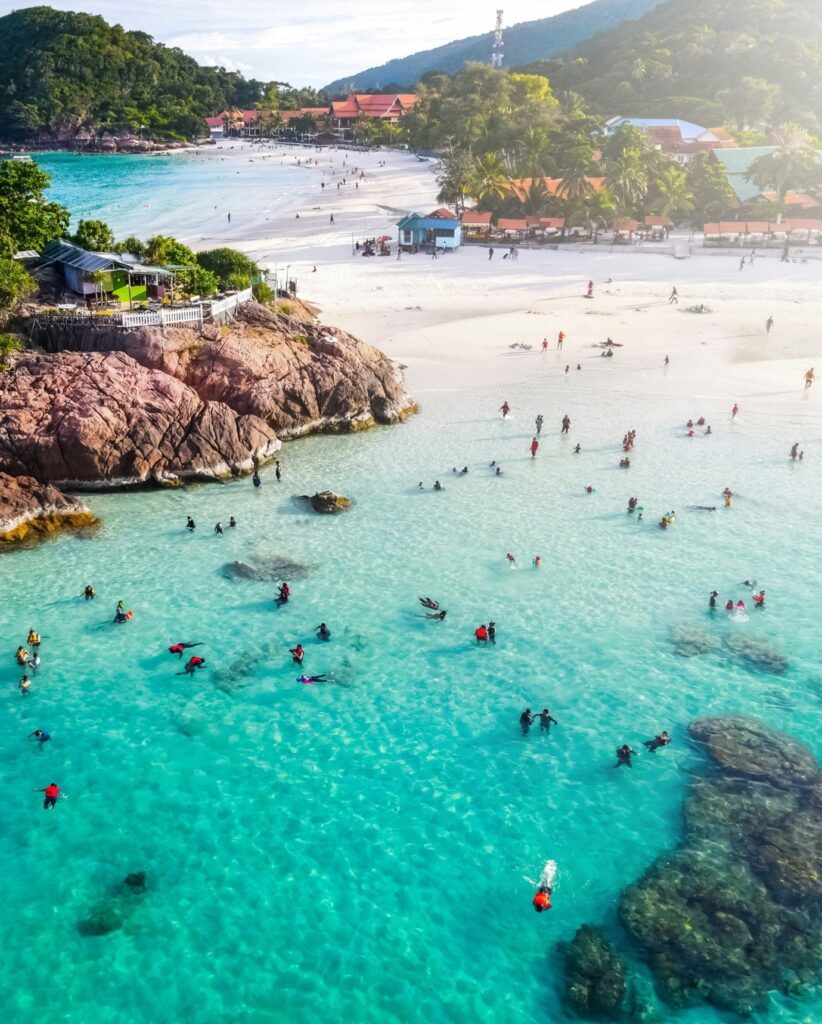
‘Visit Malaysia’ push Photo courtesy: Nazarizal ohammad/Unsplash
The Singapore Tourism Board reportedly partnered with major financial institutions like Visa to offer exclusive wellness and dining rewards for international visitors. It is also aggressively promoting new “next-level” experiences, such as the Floating Sound Bath on Water, to differentiate Singapore as a high-tech wellness hub.
Indonesia, a major beneficiary of the on-going Middle East crisis-induced wellness market gain, has reportedly kicked off a major expansion to develop new high-tech wellness resorts in secondary cities to diversify the market away from traditional hotspots like Bali.
Japan, meanwhile, is reportedly promoting its over $300 billion wellness economy by encouraging resorts to integrate traditional ‘forest bathing’ (shinrin-yoku) with modern medical-wellness facilities to attract health-conscious tourists.
Thailand also launched a marketing blitzkrieg – “Healing is the New Luxury” – to position the country as a premier destination for restorative journeys. The global marketing campaign is aimed at targeting high-spending visitors from around the world.
Vietnam has also come out with wide-ranging programmes, offering discounts of up to 50 percent on healthcare, accommodation, and transportation. The Vietnam National Authority of Tourism is reportedly specifically promoting Hoi An as an affordable “wellness gem” for budget-conscious international travellers seeking yoga and detox retreats. It also offers 45-day visa-free stays for citizens of several European nations to stimulate high-value long-haul arrivals.
India, a leading wellness tourism market globally, is accelerating its ‘Heal in India’ initiative to attract international wellness tourists amid the on-going West Asia crisis. Enhanced e-medical visas, Ayush-led (Ayurveda, Yoga, Naturopathy) wellness, and safety-focused marketing are being used to position India as a premier, secure alternative to the region.


