
By James Mathew
The abrupt breakdown of the temporary June truce in the US-Iran war has triggered a secondary shock across the global medical tourism market. Industry performance data and market players revealed that the renewed escalation has forced the sector into prolonged operational survival mode, as airspace closures and travel anxieties choke international patient inflow
The GCC and neighbouring South Asian countries such as India are the primary regions which are bearing most of the brunt, while countries in the Southeast Asia such as Thailand, Malaysia and Singapore are also impacted in the aftermath of the unexpected break-out of bombing-spree by the two warring sides since July 12, 2026.
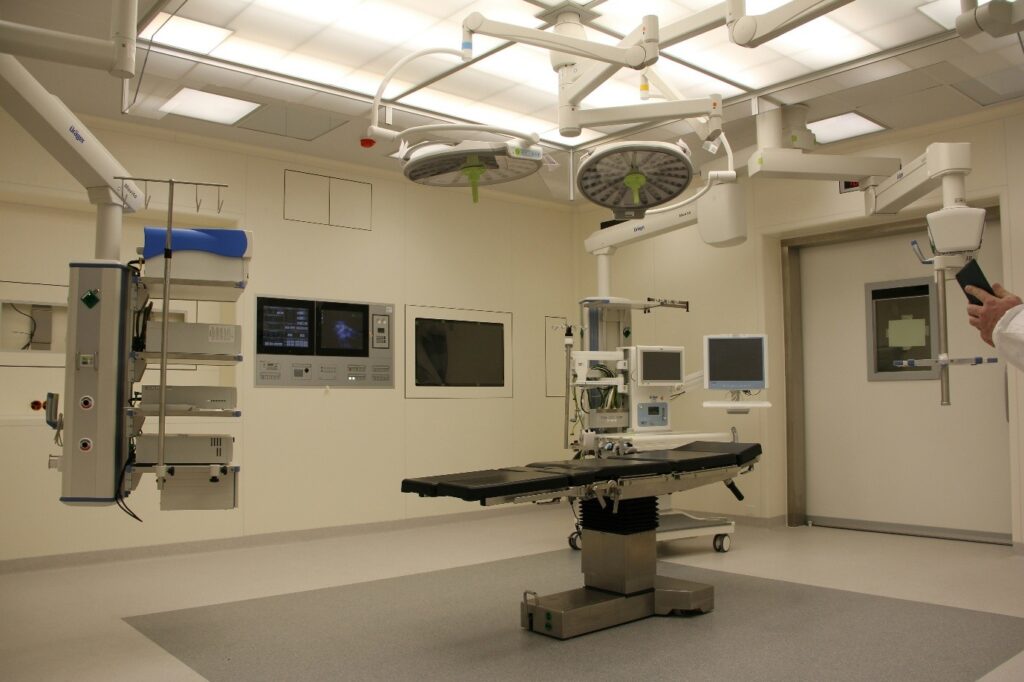
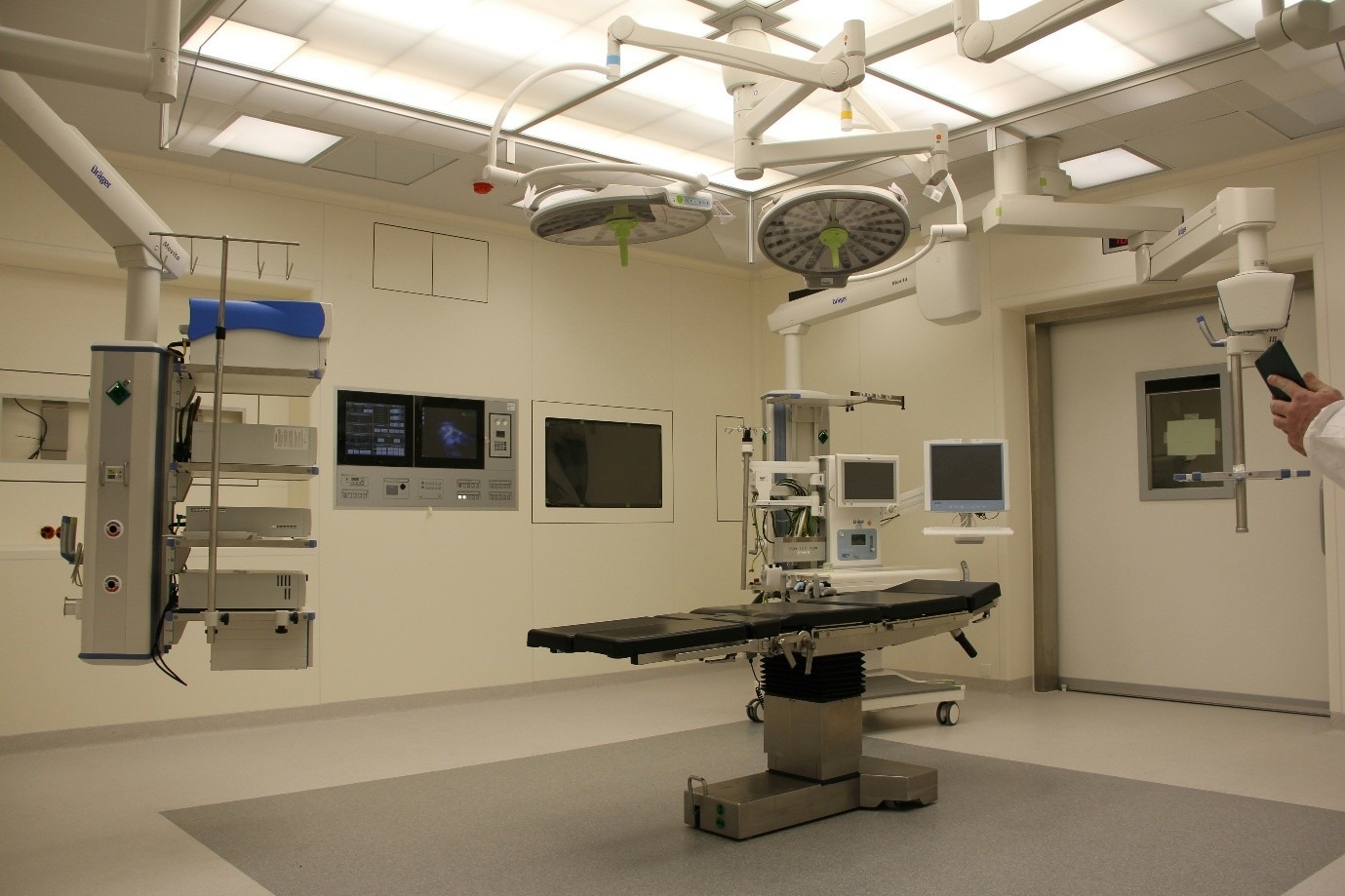
Fresh strikes halt medical tourism sector recovery Photo courtesy: Marcel Scholte/Unsplash
Sector experts said the latest escalation abruptly halted the fragile recovery that began after the June 2026 US–Iran ceasefire, throwing the Middle Eastern transit and travel back into chaos. This has dealt a major blow to international healthcare networks, especially that rely on patients from the region, they said.
High-frequency proxy data from transit zones indicates that the renewed US-Iran tensions and military strikes have essentially frozen outbound leisure and medical travel, according to Fitch Solutions.
The agency’s outlook notes that risks sit “firmly to the downside” with zero expectation of normalization in the third quarter of 2026.
Air space closure, flight re-routing jack up air fares
Market players said the renewed fighting has shattered the fragile feeling of safety in international travel, forcing widespread delays and cancellations of medical travel.
The reported cancellations and re-routing of flights to or around the GCC region by several international airlines have also led to a spike in logistical costs and airfares, estimated to be in the region of around 15 to 25 percent.
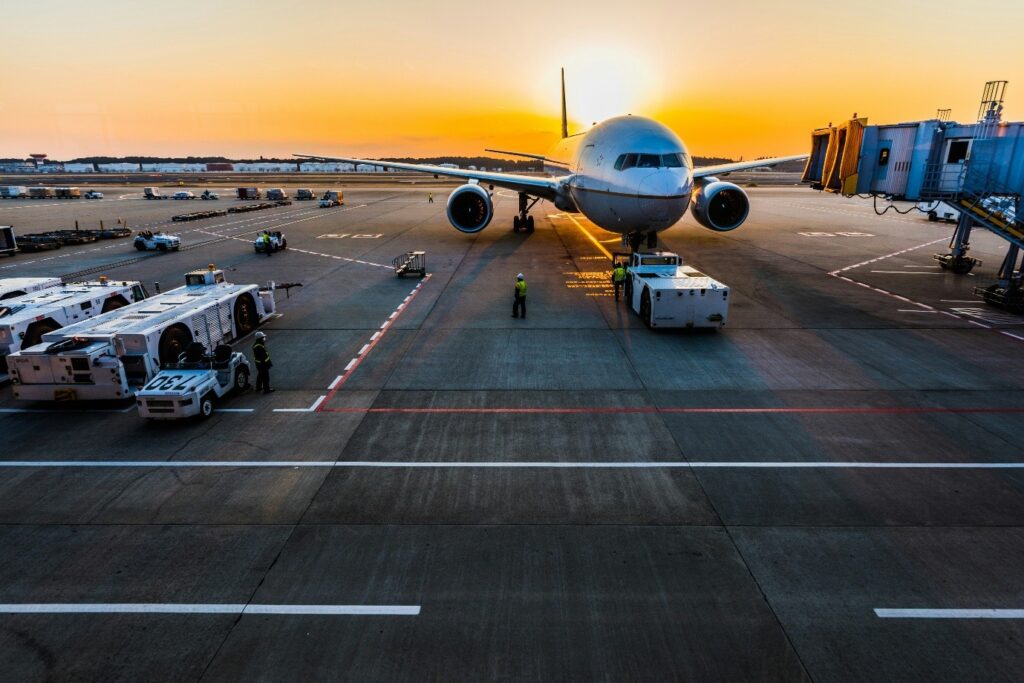
Plunge in patient travel through Gulf air corridor Photo courtesy: Rocker Sta/Unsplash
According to the Duty-Free World Council (DFWC) KPI Monitor released on July 20, 2026, the escalation has significantly decelerated international passenger growth.
Widespread airspace closures and a mandatory re-routing of commercial aircraft are driving up average global flight costs by 15 percent to 25 percent, acting as a massive financial deterrent for medical value travel (MVT) patients, the report said.
According to DFWC President Sarah Branquinho, the figures demonstrated the industry’s exposure to geopolitical events, while also highlighting the resilience of international travel demand.
“With geopolitical tensions in the Middle East creating an increasingly uneven global landscape, the DFWC KPI monitor traffic data clearly illustrates the vulnerability of international travel to external influences and shocks,” she was quoted as saying in media reports.
Branquinho, however, said that while the sharp decline in traffic across the Middle East is significant, the resilience shown by Asia Pacific, Europe and the Americas underline a fundamentally strong appetite for travel.
Industry players said the latest disruptions in air travel in the region has derailed the brief recovery in the sector in the Middle East, South and Southeast Asia, following the truce deal between the US and Iran announced in June.
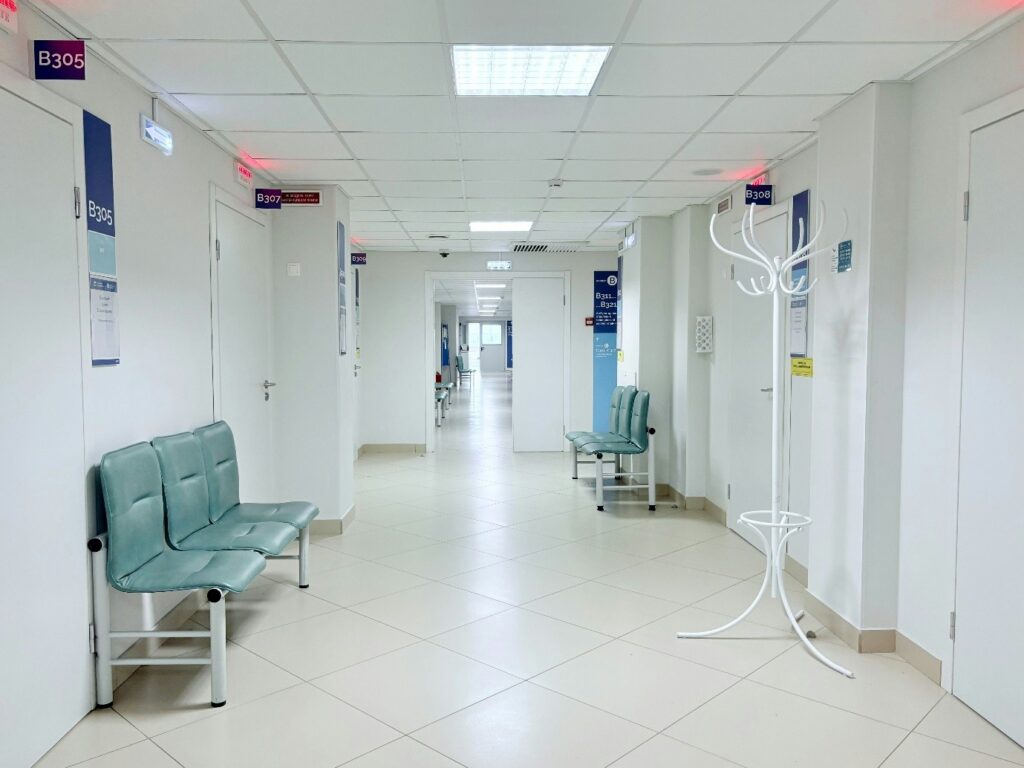
Waiting for patients! Photo courtesy: Tasha Kostyuk/Unsplash
In the aftermath of the truce deal, major hospital networks, particularly in India and Southeast Asia, began reporting a gradual, promising pick-up in new patient enquiries and scheduled elective procedures as air space reopened.
The breakdown in the ceasefire, however, has reversed those gains, industry players said.
Regions affected
Besides the GCC region, other regions which are reportedly seeing the most severe declines in international medical tourist arrivals stretch across primary medical tourism destination hubs in South Asia and Southeast Asia.
Leading hospital clusters in Indian cities such as Chennai, Bengaluru, Delhi-NCR, Mumbai, and Hyderabad rely heavily on West Asian patients, who historically constitute 25 percent to 30 percent of their international revenue.

Revival hopes dashed! Photo courtesy: Magnific
According to media reports, major hospital chains in India including Apollo, Fortis, and Max Healthcare are apprehensive of a significant fall in arrivals from the Gulf and Levant region – upwards of 50 percent – wiping out the brief gains during the truce period. Complex medical treatments like oncology, cardiac surgeries, and organ transplants are facing indefinite deferrals, the reports said.
In Southeast Asia, which is described by industry players as a secondary impact zone, leading hospital chains in countries like Thailand, Malaysia and Singapore are also reportedly apprehensive of a sharp decline in medical travellers arriving from and via major Gulf transit hubs.
GCC countries such as the UAE and Saudi, which have been emerging as major medical tourism hubs globally of late, are the worst affected. The region is also expected to take relatively long period to recover from the impact, even if the conflict sees yet another deescalation any time soon, sector experts said.
The repeated ‘Gulf shut down’ effect will play on the minds of international travellers for relatively longer time, even after peace returns to the region, they said.
This, however, will benefit medical tourism hubs in Europe, Latin America and some of the upcoming destinations in Southeast Asia such as Vietnam as the ‘patient traffic’ gets diverted, they said.
The GCC countries like Oman, Saudi Arabia, Bahrain, Kuwait, which routinely send thousands of citizens abroad for specialized treatments, are projecting a near-total freeze on outbound medical travel in the aftermath of the conflict flare up.
Turkey, which serves as a major hub for European and African patients is also projected to see a significant contraction as regional travellers defer non-essential surgeries.
Despite Gulf shock, sector to clock positive growth in 2026
There is, however, good news for the medical tourism sector growth globally for the year 2026, despite the renewed Middle East flare-up.
Market research agencies such as Fitch BMI Solutions said though the on-going uncertainties in the Middle East will significantly drag down 2026’s final global growth figures, the absolute market size will likely remain positive due to strong performance in unaffected regions.

Sector still to see growth in 2026 Photo courtesy: Magnific
While baseline projections made earlier in 2026 estimated global medical tourism to reach anywhere from $38.6 billion to $46.7 billion with a high compound annual growth rate (CAGR), the halt of the post-ceasefire pickup introduces a heavy secondary contraction, the agency report said.
Industry metrics, data points, and analyst projections indicated that a sustained 50 percent to 75 percent plunge in medical tourist arrivals in leading destination countries like India, Thailand, and Malaysia over consecutive quarters could shave off an estimated 4 – 7 percent from the global market’s projected annualized growth rate for 2026.
Patients from the Gulf Cooperation Council (GCC) and the wider Middle East account for 20 percent to 30 percent of total inbound revenues for these countries.
Industry experts said the projected regional growth deficit and the medical tourists pivot to non-conflict zones will mean that 2026 will not be a year of uniform global recovery, but will see that growth this year will become highly fragmented.