
By James Mathew
Global tourism is facing a brutal reality check. A devastating combination of catastrophic natural disasters and climate extremes, coupled with high-profile security incidents, is crippling major travel destinations worldwide, besides driving up human casualties and sufferings.
These compounding disasters are causing massive disruptions, straining local economies, and severely impacting international tourism in several popular destinations, industry analysts and data experts said.
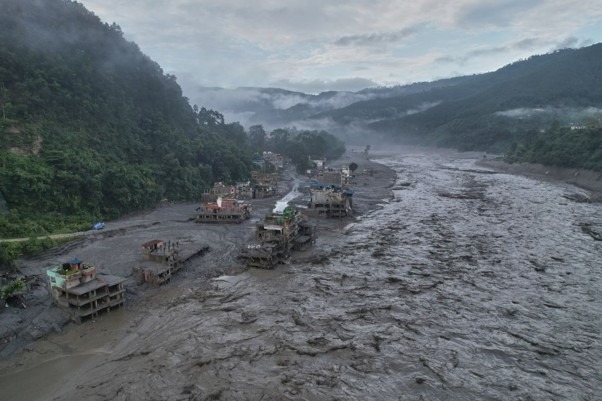
Images of Nepal’s flash flood make tourists scary
More importantly, the recent wave of natural disasters and security crises is fundamentally altering travel habits – sparking a long-term shift away from traditional global holiday hotspots.
From Nepal to Mexico, Indonesia to Japan and Western Europe to Western parts of the US, several major global cities and highly popular leisure and wellness tourist destinations have experienced severe setbacks due to catastrophic natural disasters and extreme weather conditions over the last two years (2024-26).
Consequently, a substantial number – about 29 percent – of the world’s most experienced international travellers have cancelled, postponed or changed an international trip in 2026 because of destination safety concerns, according to Global Rescue’s latest Traveler Sentiment and Safety Survey.
Travel sector experts and market players said international travellers rapidly shift their itineraries away from perceived high-risk regions toward safer alternatives with similar attributes.
High-income travellers are especially highly sensitive to official travel advisories issued during this period, they said.
Empirical data shows that terrorist attacks traditionally inflict deeper, more permanent scars on a destination’s safety image than natural disasters. However, industry experts warn that the sheer frequency of recent earthquakes and extreme weather events is forcing a similar outcome – driving travellers to make a permanent pivot toward alternative destinations.
Traditionally popular destinations face severe setback
Over the last two years, several major global cities and highly popular tourist destinations have experienced severe setbacks due to catastrophic natural disasters and high-profile security incidents.
The devastating flash floods along the Nepal-China border in August last week – one of Asia’s deadliest natural disasters of 2026, added to a year already marked by destructive earthquakes, landslides, typhoons, and severe flooding across the continent.
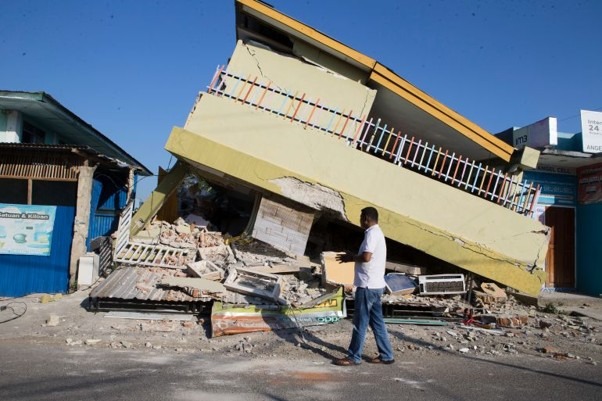
Indonesia, among the countries which was hit by massive earthquakes in 2026 [Firdia Lisnawati/AP Photo]
The massive urban flash flooding in the Cuajimalpa region just west of Mexico City, a 7.7 magnitude earthquake in eastern Indonesia, powerful earthquakes in Venezuela and Colombia, catastrophic flash floods in Brazil, and widespread wildfires and record-breaking summer heatwaves across Europe, Canada, and the US are among the major natural disasters of 2026.
Adding to the list is the on-going US-Isreal-Iran conflict which has severely impacted tourism sectors in the Middle East – as also several Asian destinations including India, Thailand and Bhutan.
Industry analysts said the devastating flash flood in Nepal has shattered hopes of a strong tourism recovery, after the catastrophic earthquake that hit the Himalayan kingdom in the beginning of 2025, while the recent seismic activity and flash floods in Mexico have impacted the country’s tourism sector revenues.
The incidents have reportedly seriously impacted arrivals of high-spending international tourists to Cancún, Los Cabos, and Puerto Vallarta – Mexico’s most famous and popular coastal tourist destinations.
While Indonesia’s main tourism gateway, Bali, escaped physical damage from the earthquake, the disaster has forced localized tourism shutdowns and triggered critical infrastructure assessments – both of which are projected to impact arrival numbers for the remainder of the year.
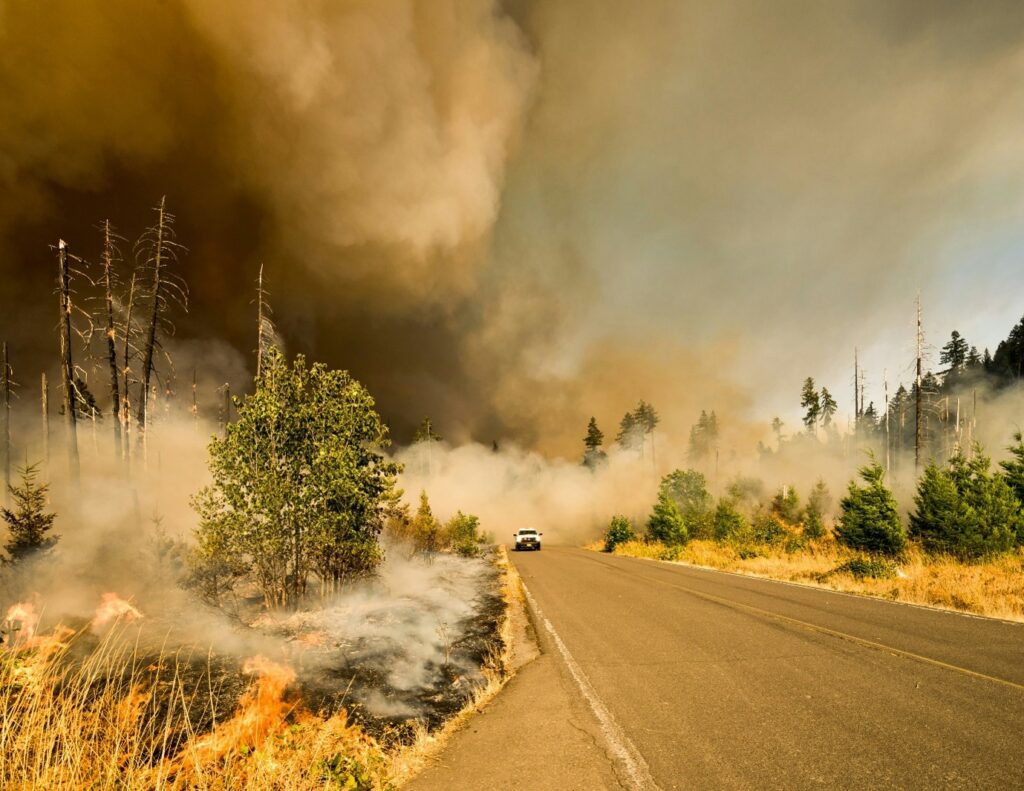
Massive wildfires are recurring in Europe, the US Photo courtesy: Marcus Kauffman/Unsplash
In Europe and the US, wildfires sweeping across several parts of the continents are becoming a costly complication for the summer travel season, disrupting access to tourist destinations at a time when national parks, mountain resorts and outdoor attractions are at their busiest.
By mid-August, more than 46,500 wildfires had burned roughly 6.4 million acres across the US alone, according to a Reuters report. For the travel industry, the footprint is considerably larger than the acreage burned as evacuation orders, highway closures and precautionary power cuts can affect destinations that remain physically untouched by fire.
Massive surge in trip cancellations, postponements
Sector experts and the latest industry data clearly show the massive impact these disasters are having on international travel in 2026.
Booking.com’s 2026 Travel & Sustainability Report revealed a growing tension in travel decisions, with nearly three quarters of travellers globally saying they consider extreme weather risk when choosing both destination and timing, and nearly one-third cancelling a trip due to these risks – often before the trip even starts.
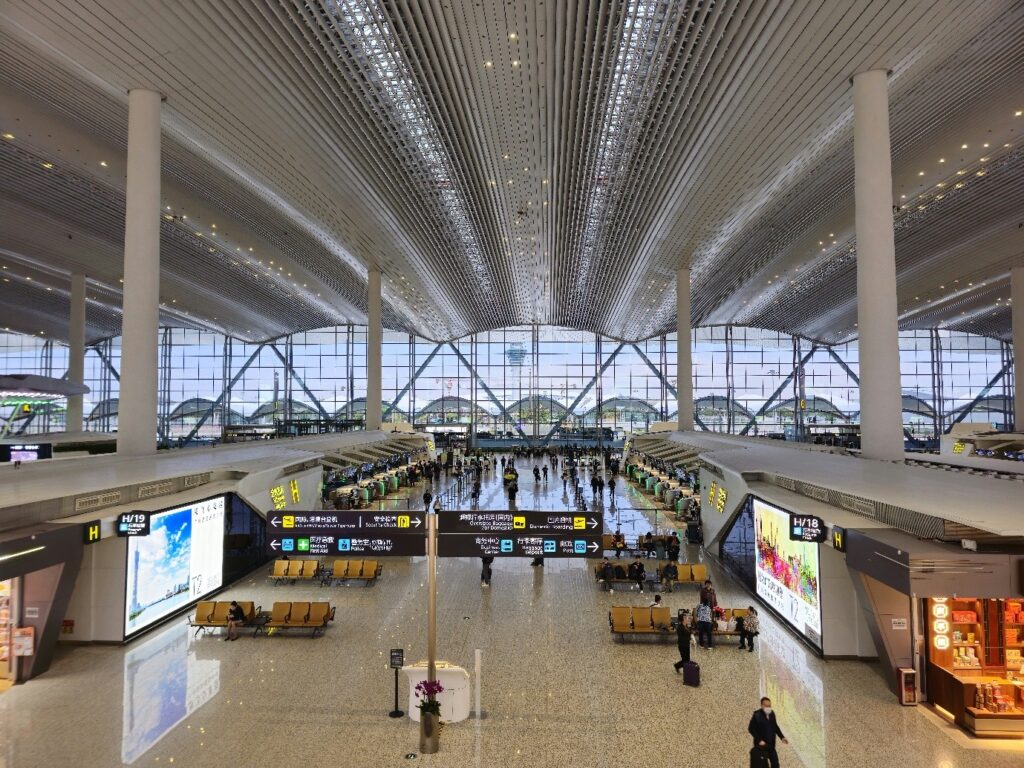
Surge in trip cancellations in 2026 Photo courtesy: Kitty A/Unsplash
The latest Traveler Sentiment and Safety Survey by Global Rescue also showed significant cancellations and plan changes in international trips in 2026 on account of destination safety concerns.
According to Dan Richards, Chief Executive Officer of The Global Rescue Companies and a member of the US Travel and Tourism Advisory Board at the US Department of Commerce, international travellers are adapting to a world where geopolitical instability has become part of the travel planning process.
“Travellers aren’t giving up on international travel, they’re making more informed decisions about where and when to go,” said the chief executive of Global Rescue, a globally leading provider of medical, security, evacuation and travel risk management services.
Domino effect across broader travel sector
Industry executives said the rise in natural calamities and security threats is triggering a domino effect across the broader travel sector. In response, agencies and global operators are aggressively reshaping their crisis playbooks to navigate this volatile new normal.

Travel operators reshaping crisis playbooks Photo courtesy: Rawpixel/magnific
Confronted by major climate disruptions, and ongoing geopolitical and security flashpoints, the tourism industry has reportedly standardized highly automated, digital-first rebooking procedures to prevent localized panic from snowballing into total economic collapse.
Travel agencies also reportedly segment their operations into distinct tiers based on the nature of the booking and local authority guidance when a disaster or security threat impacts a destination.
In the wake of relentless travel disruptions, insurance companies are also reportedly taking a hard look at their policy fine print to mitigate the risks of this volatile new landscape.
Proactive destination swapping is another strategy initiated by tour operators to mitigate the impacts of sudden disruptions.
The great global shift
Tourism ministries and climate economists project the emergence of entirely new travel patterns, especially as traditional hotspots suffer sharp declines in peak-summer international arrivals.

Uncertainty causes season, cost changes in travel sector Photo courtesy: Engin Akyurt/Unspalsh
Travel operators are reporting increased traveller preferences for more temperate climates, besides a shift in travel timings. Instead of traveling during the high-season months of July and August, international visitor volume is projected to steadily distribute into the shoulder months of Spring (April–May) and Autumn (September–October).
Industry executives said the concept of a singular “summer high season” is rapidly eroding in favour of year-round distribution.
Consequently, travel operators are also restructuring their annual pricing models. Peak pricing is increasingly applied to months that traditionally fell under the “low season”, as those periods now offer the most comfortable and safe conditions for outdoor sightseeing, they said.
The traditional baseline of global travel – which relied on highly predictable seasonal weather and stable transit paths – is fast receding. Instead, a highly flexible system driven by climate adaptation and risk mitigation is emerging, industry players said.