By James Mathew
Lionel Messi, Erling Haaland and Kylian Mbappé may be the leading goal scorers on the pitch, but off the pitch pharmaceutical and wellness-oriented sectors are scoring high from the ongoing 2026 FIFA World Cup through a mix of smart sponsorship and marketing right deals and community engagement initiatives.
Specialty wellness product companies are cashing in on the surging soccer fever around the world by quickly developing limited-edition tournament wellness brands for pre-game prep and post-match recovery, while multinational pharmaceutical companies are leveraging the 2026 soccer world cup through a combination of host city support deals and marketing campaign to drive community engagement and promote health awareness.
Resorts and high-end hospitality players in a host of luxury wellness destinations, meanwhile, are reportedly making quick, big bucks by launching performance-focused hospitality and recovery programmes.
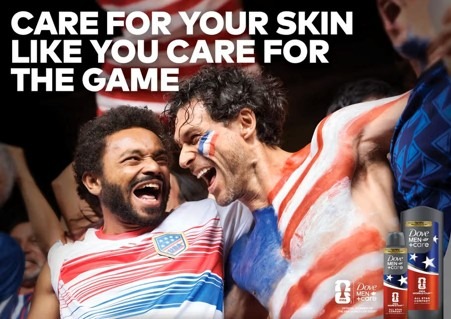
Limited edition wellness brands launched to cash in on the soccer world cup frenzy
Leading FMCG companies like Unilever have also rolled out targeted ‘Women+Care’ and ‘Men+Care’ campaigns across host cities and also around the world market to tap into the growing frenzy of the world cup.
Sector experts said sporting events are increasingly becoming a prime stage for beauty, wellness, personal and healthcare brands to reach broad, diverse audiences. From celebrity partnerships and limited-edition product launches to retail takeovers, fan activations, and social media campaigns, these brands are showing up for the world cup’s marketing frenzy in large numbers, they said.
Pharma biggies ink major deals
Leading pharma multinationals such as Sanofi, and Bristol Myers Squibb (BMS), Amgen and Genentech have reportedly entered into support programmes with local organizing committees across 16 host cities to tap into the soccer fever. Their initiatives include sponsoring free youth football clinics, launching preventative health resources, and highlighting charities.

BMS launches “Won’t Lose’ campaign to sync with world cup spirit
Bristol Myers Squibb has also launched a campaign called “Won’t Lose”, which uses soccer metaphors of missed shots and setbacks to mirror the long process of scientific research and medical breakthroughs.
Amgen has centred its efforts on participation and public health in Los Angeles with free youth football clinics, health events, neighbourhood improvement projects and a scheme recognising 26 charities that use football to improve health and wellbeing across Southern California.
“Our mission is to serve patients, and this partnership with LASEC builds on that purpose by promoting greater health awareness across the region,” Robert Bradway, Chairman and CEO, Amgen, reportedly said.
Sanofi, on the other hand, has stepped in as an official supporter of the Boston host city, positioning itself not just as a healthcare innovator but as a community partner invested in the region’s global moment. The company has deep roots in Massachusetts, with around 5,000 employees in the state across manufacturing, research and corporate operations.
Genentech has tied its Bay Area agreement to the FIFA World Cup – as also the Super Bowl – which the company described as part of a longer-term commitment to the legacy initiatives and regional development around its South San Francisco headquarters.
Marketing experts said it comes as no surprise that the pharma MNCs have jumped at the chance to associate themselves with the pomp and circumstance of the World Cup.
Deals pay off handsomely
Early data indicates that health, pharmaceutical, and wellness-oriented sectors are scoring big from their world cup-linked deals and initiatives, though the nature of these gains varies significantly by industry.
While cross-marketing initiatives, host city tie-ups, and fan-club activations are actively bringing in desired results for wellness-oriented businesses, pharmaceutical MNCs and over-the-counter (OTC) health brands are seeing a massive spike in consumer engagement rather than immediate retail shelf-turnover, driven by record-shattering broadcast viewership.
Initial data from broadcasters like Telemundo reveals that health and pharma ad campaigns running during the matches are experiencing a 20 percent uptick in brand recall and a 40 percent jump in message memorability, compared to the 2022 World Cup.
As for high-end wellness resorts and premium hospitality brands, the metrics show a significant surge in revenue, but not necessarily in the way operators initially expected, industry insiders said.

Wellness brands seeing massive wins
Wellness product brands, skincare companies, and personal care conglomerates, on the other hand, are reportedly seeing massive wins by explicitly targeting the overlapping demographics of sports fans and wellness consumers.
Personal and wellness products companies like Unilever, which is also an official sponsor of the tournament, are reportedly making major gains by effectively using cross-branding to push its wellness and personal care roster across global markets. Through its innovative “fan zones” initiative, which emphasizes skin hydration and freshness during gruelling summer match days, the company has successfully embedded wellness into the match-going experience.
Meanwhile, wellness-oriented luxury lodging and hospitality groups in host cities are also reportedly making significant revenue gains.
Sector exports said wellness and pharma companies are also playing the ‘long-term’ game through their sponsoring and marketing deals, as the “World Cup is not a six-week event, it is the ignition point for a decade of soccer growth in North America.”
Pharmaceutical MNCs and wellness companies are also capitalizing on the 2026 soccer world cup for deep integration into elite sports science, they said.
Host country markets gain the most
The geographic distribution of gains during the ongoing soccer world cup reveals that the financial and brand victories for pharmaceutical, biotech, and wellness hospitality companies are heavily concentrated within specific regions across the three host nations.
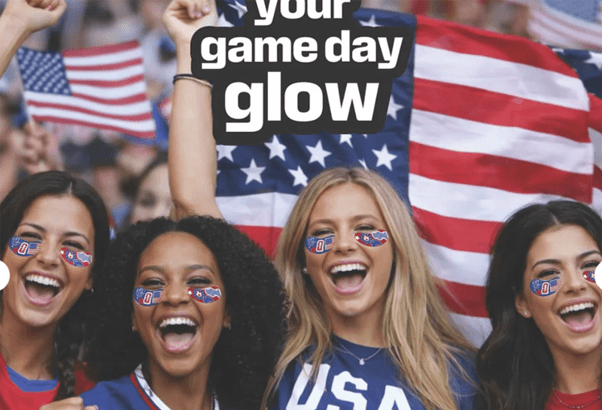
US market gains big during the tournament period
Early regional data and market indicators showed the US capturing the lion’s share of institutional and hospitality gains, driven by corporate partnerships and massive surges in premium room pricing. Premium US properties have pivoted toward ‘biohacking and longevity’ retreats, catering heavily to corporate delegates and wealthy tournament tourists seeking post-match physical optimization.
Premium wellness destinations in Canada, meanwhile, are experiencing highly lucrative, price-driven gains, especially in its western tech and wellness tourism corridor, according to the Canadian government assessment.
Luxury wellness resorts and eco-retreats in British Columbia are capitalizing on the high-net-worth demographic by selling all-inclusive post-match recovery and detox itineraries
In Western Europe, consumer-facing personal care and health conglomerates are leveraging the tournament to drive massive retail turnover.
For European wellness retreats, the tournament has reportedly created a unique domestic dynamic. While many high-spending Europeans have travelled to North America for the matches, local European wellness retreats are making up for the domestic deficit by aggressively marketing “digital detox” and “mental health-focused” getaways to local consumers eager to escape the tournament frenzy.
As for Latin America and the other soccer-passionate global regions, market players are making the most by shifting focus to digital engagement and localized community initiatives.
In markets like Brazil, Mexico, and Colombia, wellness and over-the-counter (OTC) medicine brands are capitalizing on the massive, socially connected tournament audience, with brands focusing heavily on content-to-commerce platforms, using social media creator partnerships to drive direct-to-consumer sales for vitamins, hydration supplements, and quick-recovery skincare.
According to marketing experts, the long-term sustainability of gains from the 2026 FIFA World Cup will depend heavily on whether a company is built on a direct-to-consumer (DTC) model or institutional B2B procurement.
While macroeconomic experts from firms like Allianz Trade view the tournament as a “high-intensity, short-duration demand shock” rather than a permanent driver of structural growth, healthcare and sports-marketing analysts note that the strategic benefits will outlast the tournament.