
By James Mathew
Trading six-pack goals for cellular longevity, traditional gyms are finally caught up with the surging fad for wellness, ditching the heavy-metal sweat-box vibe to transform into high-tech wellness sanctuaries.
Traditional gym formats, of late, are undergoing a major transition, heading toward a highly integrated, multi-disciplinary model that blends athletic conditioning with medical longevity practices, industry reports and sector experts said.

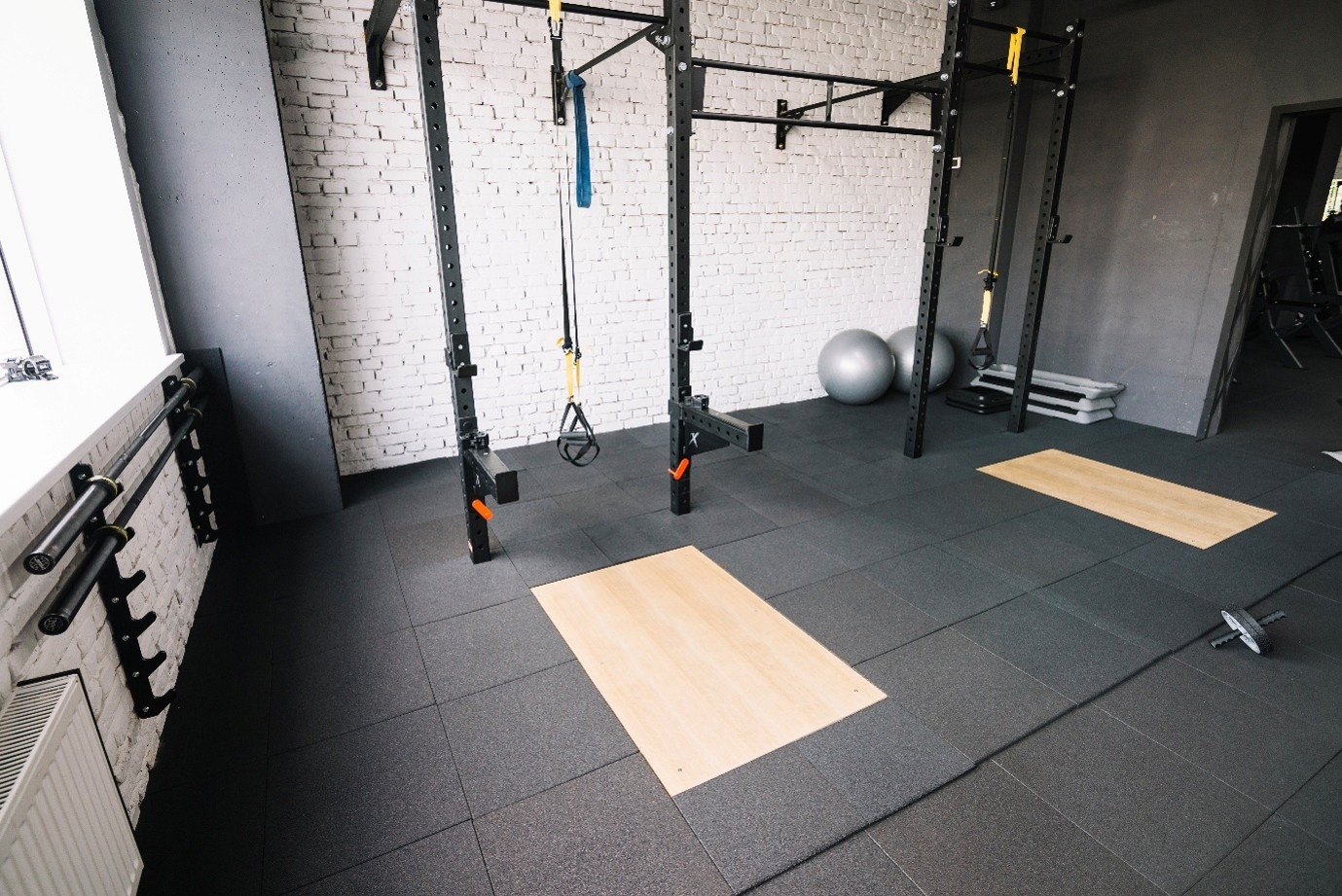
Gym designing integrates multi-disciplinary model Photo courtesy: Magnific
The shift is also reflected in modern gym design witnessing a paradigm shift toward recovery and regeneration, prioritizing recovery to support members’ physical wellbeing as part of a comprehensive fitness approach, industry experts said.
Training staff to integrate a client’s wearable metrics directly into custom weekly programming, incorporation of AI-powered, connected weight machines that automatically adjust to an individual’s strength profile and replacing old equipment floors with community zones are part of the comprehensive change-over gripping the fitness industry, they said.
The trend is driving gym designers to provide a new dimension, featuring spaces meticulously designed to foster physical and mental well-being in interiors and dedicate significant square footage to recovery spa zones that rival those found in luxury hotels and wellness retreats.
Significantly, the shift toward wellness and recovery-oriented formats is gaining unprecedented traction with consumers, translating directly into major financial gains for gym operators by cashing in on the wellness gold rush, industry analysts said.
This trend is happening around the world – from North America, Europe, Asia-Pacific, to the Middle East, industry players said.
Mind-body formats are on the ascendant
According to sector experts and latest industry reports, the re-orientation in the fitness industry is triggered by the surging consumer demand for wellness needs – including recovery, mental health, nutrition, and longevity – beyond physical fitness.
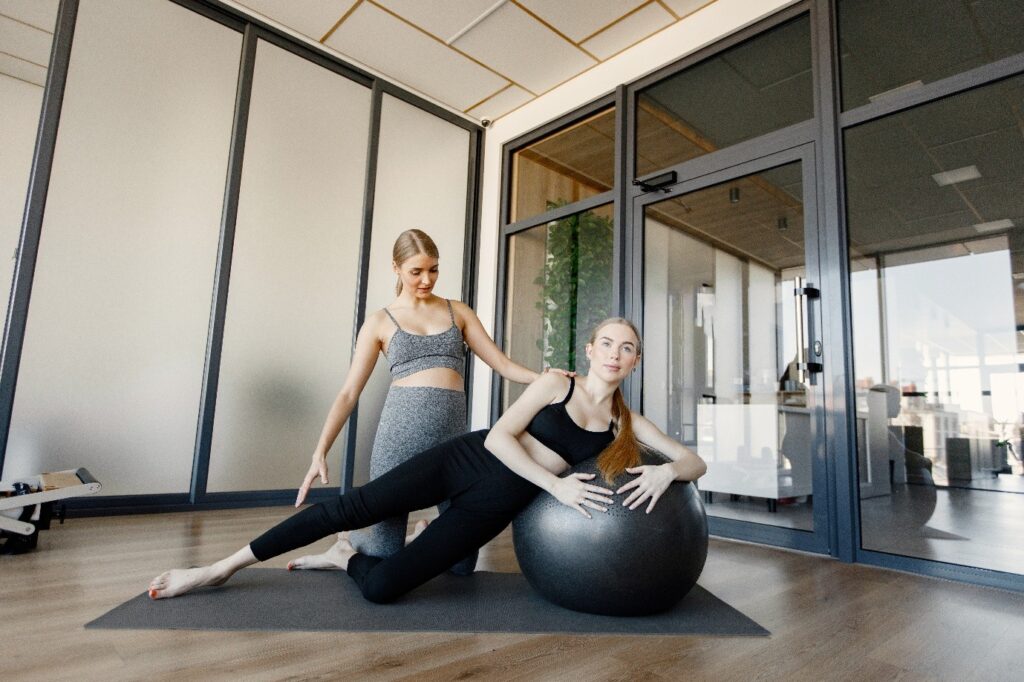
Fitness industry sees re-orientation Photo courtesy: Magnific
According to a recent US Health & Fitness Consumer Report: Expanded Insights, mind-body formats are on the ascendant, led by yoga and Pilates, while HIIT (High-Intensity Interval Training), calisthenics, and bootcamps are on the decline.
Percussion therapy, red light therapy, massage beds, cryotherapy, infrared saunas, and cold plunges are continually gaining traction, the report revealed.
Industry players said modern gyms are fast adapting across five major physical and operational pillars as they shift into comprehensive wellness spaces, focusing on recovery amenities, holistic health, and community design.
They include high-tech facilities for recovery, mobility and therapy, nervous system care, social integration and data-driven longevity tools.

Infrared saunas, ice baths now core parts of gym layouts Photo courtesy: Unsplash
Infrared saunas and ice baths are now fast becoming core parts of gym layouts rather than rare spa perks, while stretch bays, compression gear, and red-light therapy are incorporated as part of mobility and therapy facilities.
Gyms are also ensuing that workouts are balanced with guided breathwork and injury prevention, while wearable data and biomarker tracking are integrated into personal training for preventative health.
Spaces feature co-working areas, lounges, and health cafés to encourage members to stay longer are also becoming part of the new gym design formats.
At fitness studios, Pilates – a low-impact fitness system focusing on core strength, muscle tone, and flexibility, is the top modality, followed by yoga, barre, and group cycling. As high as 43 percent of studios plan to add new class formats in the next 12 months, according to the 2026 Boutique Fitness Industry Report.
AI-powered fitness technology fast transforming member engagement
Industry players said the modern wellness landscape is moving through its “intelligent and functional longevity era”, with the focus aggressively shifting from extreme, exhausting “breakdown” workouts to nervous system regulation, deliberate recovery, and joint longevity.

Breathwork classes, meditation part of new gym formats Photo courtesy: Ale Romo/Unsplash
In addition to workouts, fitness centres are also meeting the wellness-oriented needs with breathwork classes, meditation, sound therapy, vibrational healing, wellness pods, and somatic movement such as Qi Gong or Feldenkrais classes.
Gyms and fitness professionals are also reportedly integrating analytics into programmes and incorporating ongoing monitoring, which can drive engagement, improve results, and boost retention.
According to a Mordor Intelligence report, AI-powered fitness technology is fast transforming member engagement through personalized workout programmes and biometric data analysis, with the AI fitness market expanding across the world.

Gyms are getting AI makeover! Photo courtesy: Magnific
As wearable technology integration enables continuous health monitoring and creates data-driven coaching opportunities, it also enhances member retention and premium service pricing, the report said.
Not to be left behind, workplace fitness initiatives are also following suit by expanding beyond traditional gym membership reimbursements toward comprehensive wellness ecosystems that include on-site fitness facilities, virtual training programmes, and health coaching services.
Employee health benefit packages increasingly feature fitness club partnerships as recruitment and retention tools, particularly in competitive labour markets where wellness benefits differentiate employers.
Besides, the integration of fitness metrics into corporate health insurance premium calculations also incentivizes both employers and employees to prioritize fitness club participation, the Mordor Intelligence report said.
According to Health & Fitness Business (HFB), more consumers, particularly from Gen Z, consider spending on fitness no longer discretionary but essential.
‘Wellness’ turn propels fitness industry into hyper-growth stage
By spearheading the ‘wellness-oriented’ shift, fitness and health club operators anticipate a surge in memberships – and revenue – driven by a shift in consumer perception.
Pointing out that fitness is now viewed as a vital component of health, rather than a luxury, industry insiders said the shift is further supported by increasing awareness of the long-term health benefits of regular physical activity, including improved cardiovascular health, enhanced mental well-being, and reduced risk of chronic diseases.
As members gravitate towards holistic wellness, clubs are responding by merging mental health benefits with traditional fitness offerings, they said.
Fitness clubs are also reportedly forging retail partnerships, broadening their revenue horizons by integrating products related to nutrition, recovery, and overall lifestyle. These partnerships enable clubs to offer a more diverse range of services and products, enhancing customer engagement and loyalty, industry players said.
According to data compiled from the Health & Fitness Association (HFA) 2026 Reports, ABC Fitness, and global wellness tracking, the fitness industry has entered a hyper-growth stage, fuelled by a holistic consumer mindset.
Supporting this, the global health club statistics project the market to nearly double by 2032. In Europe alone, 75.5 million people now hold fitness club memberships, while in the USA gym membership statistics hit a record 77 million in 2024, according to the Health & Fitness Association report.