By James Mathew
The wellness sector is seeing a democratisation move globally, with community-level wellness initiatives in different parts of the world are transforming it from a luxury, individualist pursuit into an accessible, collective necessity, industry experts and studies revealed.
The grassroots-shift is replacing clinical data-tracking and high-cost ‘optimization’ with affordable, community-centred activities focused on emotional safety and connection, fundamentally disrupting the Global Wellness Economic Monitor 2025-estimated $6.8 trillion wellness industry.
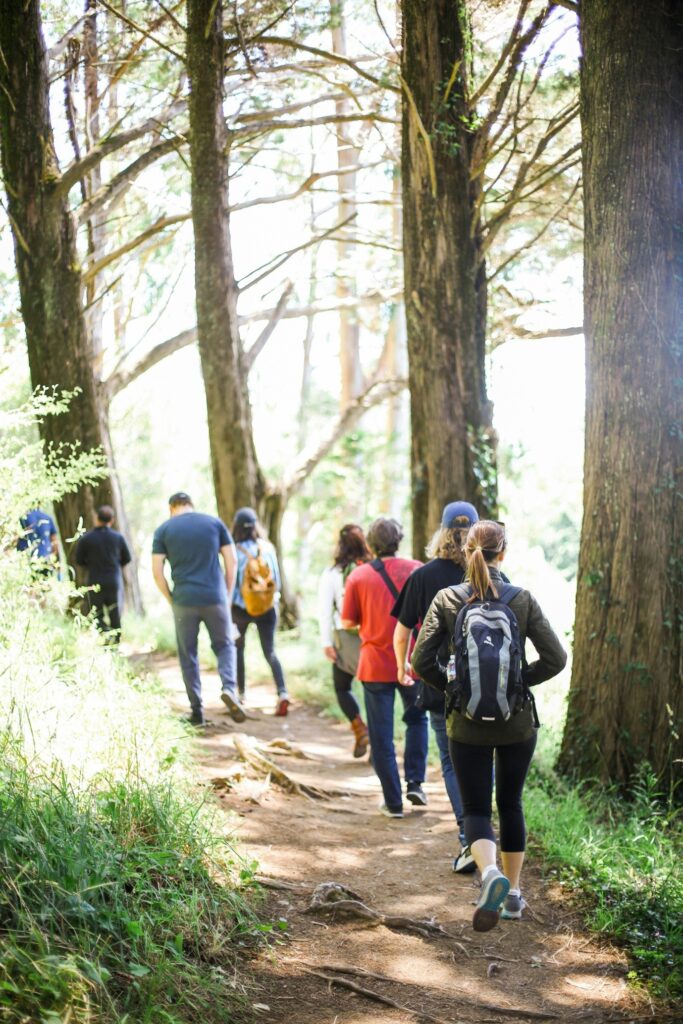
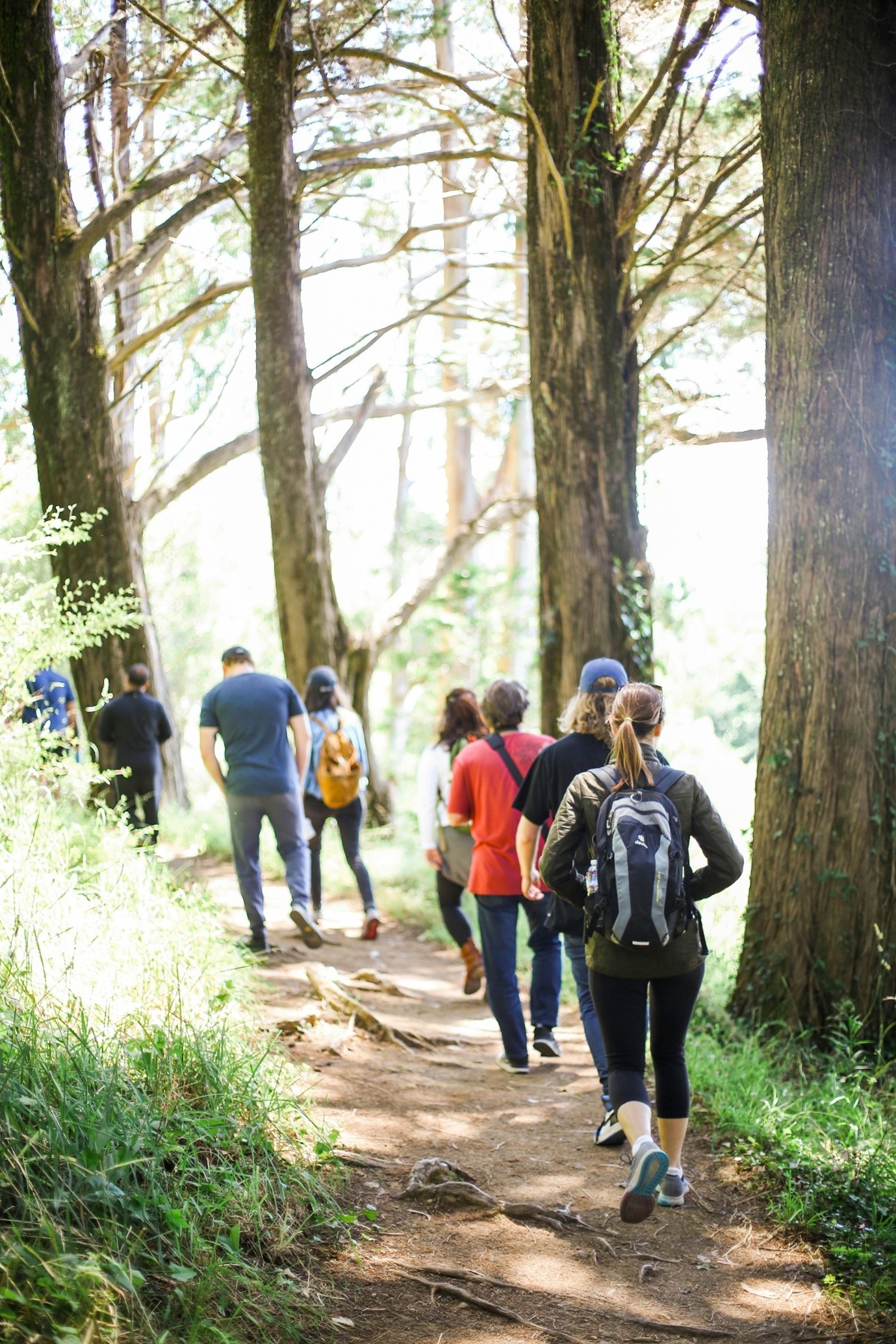
Surge in community-level wellness programmes Photo courtesy: Kitera Dent/Unsplash
There is clear, global evidence that people across all generations – from Gen Z to retirees – are being drawn into these movements, reshaping how different age groups interact, studies showed.
Community parks, public squares, and social saunas are increasingly becoming the decentralized wellness hubs, giving hot competition to the luxury spa-resort wellness culture, though sector experts said both the models will see a complimentary existence over time, leading to a massive expansion of the wellness sector.
By utilizing free or low-cost communal spaces, grassroots initiatives are increasingly eliminating the expensive financial barriers historically associated with boutique wellness.
Grassroots initiatives are transforming the sector
Community level wellness initiatives are seen fast changing the sector from “me” to “we” movement, seeing mass participation. Wellness is no longer about isolated self-improvement. According to the ‘Future of Wellness Trends 2026’ released by Global Wellness Summit, a massive wave of “festivalized” wellness – including sober raves, massive community running clubs, and group outdoor sound baths – is turning health into a highly social, identity-driven event.

Wellness items going from ‘me’ to ‘we’ Photo courtesy: Diego Rodriguez/Unsplash
Pointing out that the industry is moving away from punishing fitness metrics, the report revealed that the focus is shifting from high-performance achievements to collective comfort. “Grassroots ‘scream circles’ and communal somatic release classes focus on soothing the collective nervous system over burning calories,” it said.
Industry insiders said a striking indicator of the movement’s success is its ability to attract diverse age groups, bridging generational divides through shared, low-stress environments. Data from a McKinsey Wellness Survey showed that younger generations view wellness as a daily, holistic requirement rather than an occasional luxury.
“However, instead of relying solely on apps, younger people are driving the popularity of local run clubs and sober morning dance parties to combat acute digital fatigue, loneliness, and economic anxiety,” the survey showed.

‘Scream circles’ are on the rise Photo courtesy: Tijs van Leur/Unsplash
Reiterating the shift, the Global Wellness Institute trend report also said older generations are increasingly moving away from clinical, single-disease-focused care, and instead are actively seeking out group wellness spaces such as community tai chi in parks, outdoor swimming clubs, and multigenerational hot springs to fulfill their needs for purpose, social connection, and active aging.
Industry observers said a major highlight of the current transformation underway in the wellness sector is that the grassroot, community-level initiatives are bringing younger and older demographics together. This layout allows older adults to share traditional well-being practices while younger crowds inject new life, vibrant music, and a playful attitude into healthy lifestyle habits, they said.
Democratization leads to further economic push
Significantly, the current democratization move underway in the global wellness sector from an elite luxury to a ground-level necessity also has a positive outcome for the economy – in terms of increased spending. According to McKinsey’s Future of Wellness data, while Gen Z and Millennials make up 36 percent of the global adult population, they now command 41 percent of all annual wellness spending.

Gen Z are high spenders for wellness products Photo courtesy: Sonia Roselli/Unsplash
Baby boomers – those in the age bracket of 58 and above, on the other hand, account for only 28 percent of the spending, though they represent 35 percent of the population. The data also reveals an intense generational divergence in where and why this money is being spent.
For the younger set, wellness spending is mostly reactive, aimed at managing unprecedented levels of digital burnout, economic anxiety, and loneliness, while Generation X splits their spending equally between physical longevity and emotional decompression. For retirees and older adults, ground-level wellness spending is preventative and targeted strictly at defeating social isolation.
According to a survey by AYTM (Ask Your Target Market), a market research organization, Tier 1 and Tier 2 cities globally where regions are experiencing active aging populations, individuals aged 45 and older exhibit a much stronger financial allocation toward clean wellness foods, joint-health travel packages, and community-led health checks rather than reactive pharmaceuticals.
Sector experts said a further push to the economy is expected with the data from the Global Wellness Institute indicating that the growing traction of community-level preferences for wellness activities are expected to become completely mainstream across all age groups over the next five years.
Besides, the trend of younger consumers normalizing their holistic spending habits early in life also is expected to further augment the momentum in the wellness-related economy, they said.
Corporate wellness programmes follow suit
The current transformative moves underway in the wellness sector is also reflected in the corporate sector, with company-led wellness programmes are fast seeing a radical shift from rigid, top-down check-the-box corporate healthcare benefits to strategies that mimic the low-stress, community-first energy of grassroots movements.

Companies switch to ground-level wellness activities Photo courtesy: Husna Miskander/Unsplash
In line with the grassroots collective release trends, companies are reportedly increasingly opting for acoustic-panelled ‘mindfulness pods’ – or micro-break rooms – designed for nervous-system decompression, stretching, and vocal emotional release.
Besides, many companies are also reportedly supporting multi-sensory contrast-therapy pop-ups, bringing cold plunges, sound-bath meditations, and infrared saunas directly into office environments to cultivate shared recovery rituals.
Companies are seen actively sponsoring grassroots Employee Resource Groups (ERGs) to host non-competitive walking meetings, low-impact stretch circles, or outdoor run-clubs, replacing the earlier high-intensity corporate fitness challenges.
Regional variations
Despite the move towards democratization of wellness activities through community-level initiatives, studies show vast differences in attitudes and ground-level wellness spending in different regions. The differences are mainly due to the distinct cultural history, healthcare infrastructure, and varying attitudes toward communal life.
Industry observers said while Western regions tend to commodify wellness, Eastern and Latin American regions lean on cultural traditions or community-funded social frameworks.
For instance, in North America, ground-level wellness is heavily commercialized, with community-led movements like run clubs, sober raves, and social saunas quickly turning into spending hubs. Consumers are willingly fork out high premium membership fees or event tickets to secure their spot in a healthy “third space”.

Wellness a daily, civic duty in some regions Photo courtesy: Thao Lee/Unsplash
In East Asia, particularly China, Japan, and South Korea, on the other hand, wellness is viewed as a daily, lifelong civic duty, resulting in low out-of-pocket costs for individuals. The community-level movements in the region like park-based Tai Chi, Qi Gong, or square dancing (Guangchangwu) cost next to nothing.
European ground-level wellness is anchored in institutional support, work-life boundaries, and a belief that nature is a universal human right. In regions like Scandinavia and Central Europe, spending on wellness is heavily socialized through taxes. Besides, the progressive healthcare systems in many countries in the region also subsidize wellness by allowing doctors to prescribe nature walks, yoga, or thermal bath visits.
In Latin America, wellness is deeply relational, informal, and rooted in community networks rather than commercial wellness brands. Grassroots wellness manifests as open-air Zumba classes in public squares, community soccer networks, or traditional plant-based remedy markets. The financial barrier to entry is kept intentionally low to focus entirely on social joy, music, and collective resilience.