
By James Mathew
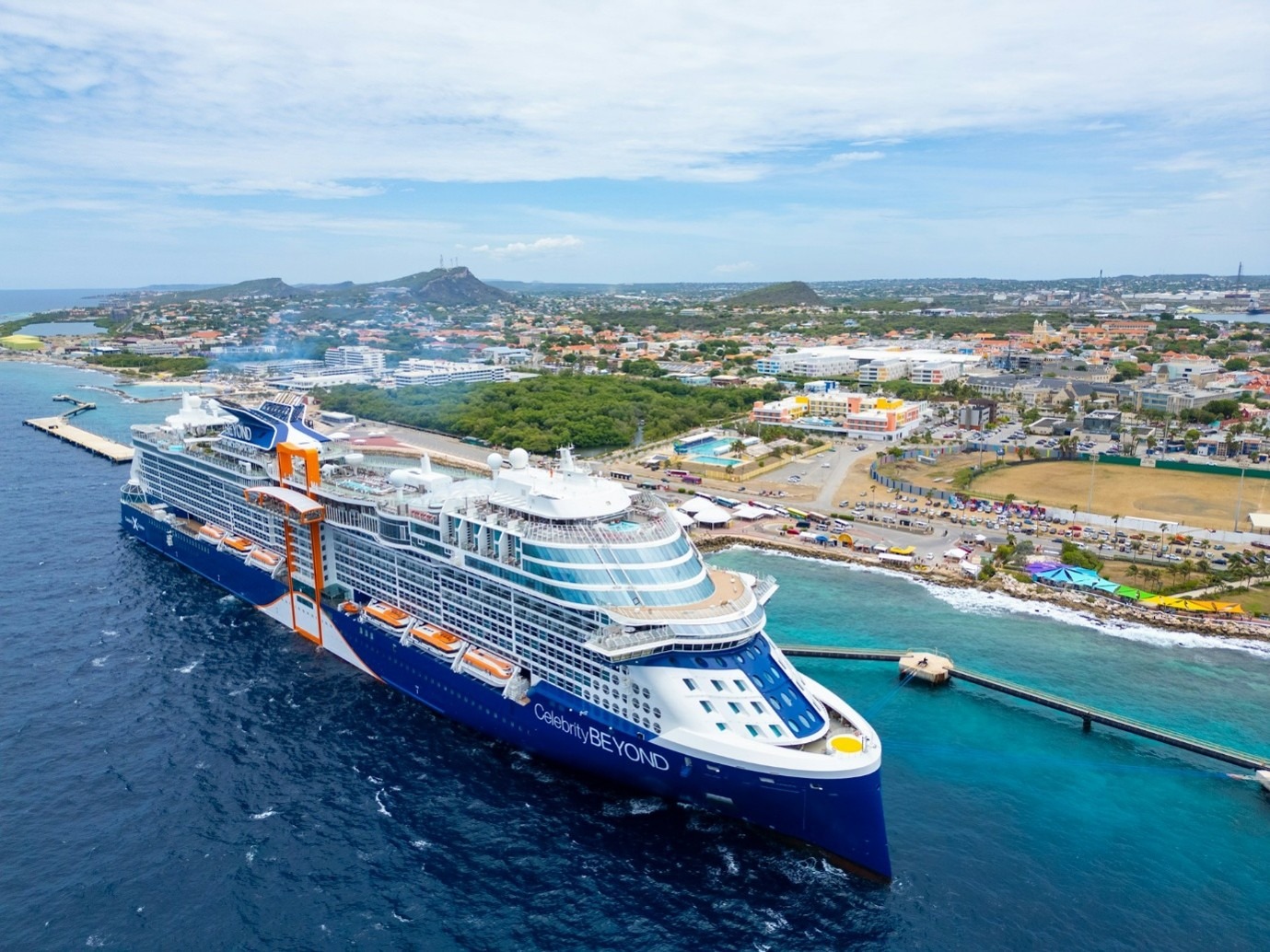
Heavy turbulence in the air is making massive waves at sea. The final quarter of 2026 is hitting historic peaks in global cruise travel – driven by skyrocketing airfares, geopolitical disruptions across Europe and the Middle East, and renewed anxiety over air safety.
Leading cruise corridors—including the Caribbean and Bahamas, the Mediterranean and Canary Islands, the Mexican Riviera, and European and Asian riverways—are reporting record demand this quarter, industry experts and tracking data show.
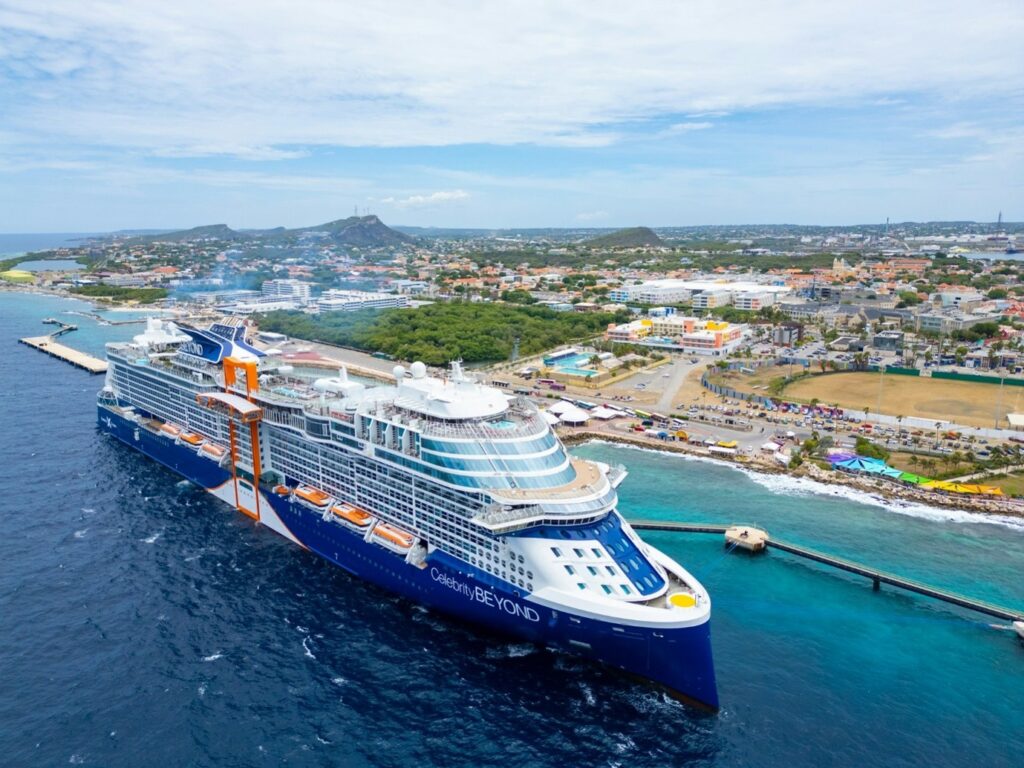
Cruise industry reports record demand in Q4 2024 Photo courtesy: Bent Van Aeken/Unsplash
Shorter 3-to-4-night regional routes from domestic hubs have also reported a drastic spike in bookings this quarter, with industry data estimating a 60 percent YoY jump. Industry players attribute this surge in popularity to the fact that short cruises act as a direct substitute for traditional flight-and-hotel weekend getaways at bargain prices—sometimes under $200.
Driven by state-of-the-art onboard facilities and cutting-edge health programming, the trend of ‘wellness migration’ across the sector also acted as a major catalyst for cruise travel in Q4 2026. Industry insiders point to a massive surge in Gen Z and Millennial demand of late for pristine “quiet-cations”—a shift that catapulted frontrunners like Virgin Voyages, Celebrity Cruises, and MSC Cruises to record-breaking quarterly revenues.
“Cruises have surged into a record-breaking ‘Supercharged Year’ in 2026, emerging as one of the fastest-growing and most resilient sectors in global leisure travel,” said a senior executive at a Goa, India-based cruise operator.
An Oxford Economics analysis said besides the flare-up in air fares, the horrific Flydubai cockpit terror incident has added a new layer of friction to regional flight markets, accelerating the public’s pivot toward reliable, all-inclusive maritime vacations.
2027 tipped to be even bigger for the industry
While the historic global demand for cruising has been building for years, recent geopolitical instability has reported to have led to the sudden acceleration in the trend.
Industry executives and market research said while the current season has hit a historical peak, next year is tipped to be even a much bigger year for the industry.
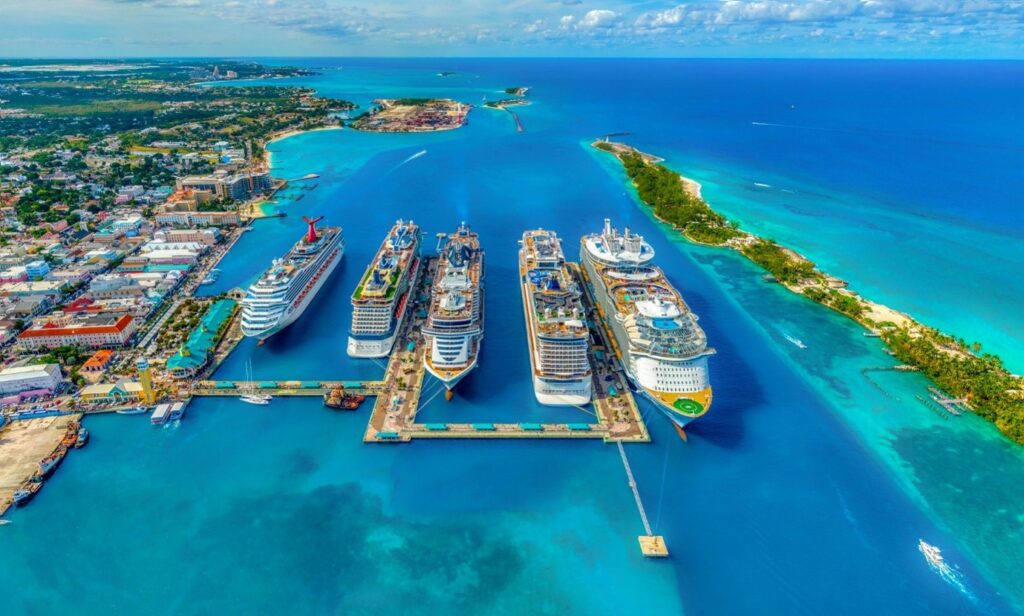
2027 is tipped to be even bigger for cruise industry Photo courtesy: Fernando Jorge/Unsplash
According to forecasts from the Cruise Lines International Association (CLIA) and industry trackers like Cruise Market Watch, 40.3 million travellers globally are projected to take ocean cruises in 2027.
Projections by AAA and Tourism Economics estimate a record 22.4 million Americans are to take ocean cruises in 2027 — up 3.6 percent from 2026.
Industry players said millennials and Gen Z travellers are entering the market quickly, drawn to cruising as a lower-friction, value-packed alternative to planning a complex land-based itinerary piece by piece.
Industry experts like Stacey Barber, Vice President of AAA Travel, cite cruising’s unique, all-inclusive nature—where meals, entertainment, and multiple destinations are wrapped into one trip—as the primary driver behind the massive influx of millennial and Gen Z travellers.
The Caribbean, Bahamas and Bermuda region tops the chart
The surging demand for cruise tourism of late has led to CLIA revising its projections for 2026 to reach 38.3 million passengers, up from 34.4 million in the previous year.
The industry body’s latest data also indicates that both mass-market and premium cruise lines booked and sailed at over 100 percent capacity during the first half of this year.
High demand for mass-market and premium cruise lines Photo courtesy: Mattingly Marinaccio/Pexels
The Caribbean, Bahamas and Bermuda region tops the chart in cruise tourism, clocking a passenger pool of 16.27 million passengers, accounting for about 44 percent of the global cruise traffic.
The Mediterranean holds the number two spot with approximately 6 million passengers, accounting for one out of every six global cruisers.
The CLIA data also showed that the global average age of a cruise passenger has dropped to 46.7 in 2025. North American passengers track even younger, averaging 45.8.
Industry analysts said this is expected to see a significant decline this year, with more and more Gen Z and millennial travellers joining the bandwagon.
The rising demand has also led to major cruise lines launching major innovations in their onboard food and entertainment offerings. Once dismissed as floating “petri dishes”, some of the leading lines are striking celebrity chef partnerships, introduce themed dining experiences, besides introducing Broadway-level shows, according to industry insiders.
The economics driving the cruise pivot
Industry surveys reveal that driven by soaring flight and accommodation costs, travellers increasingly prefer cruises as a high-value, all-in-one alternative to traditional flight-and-hotel vacations.
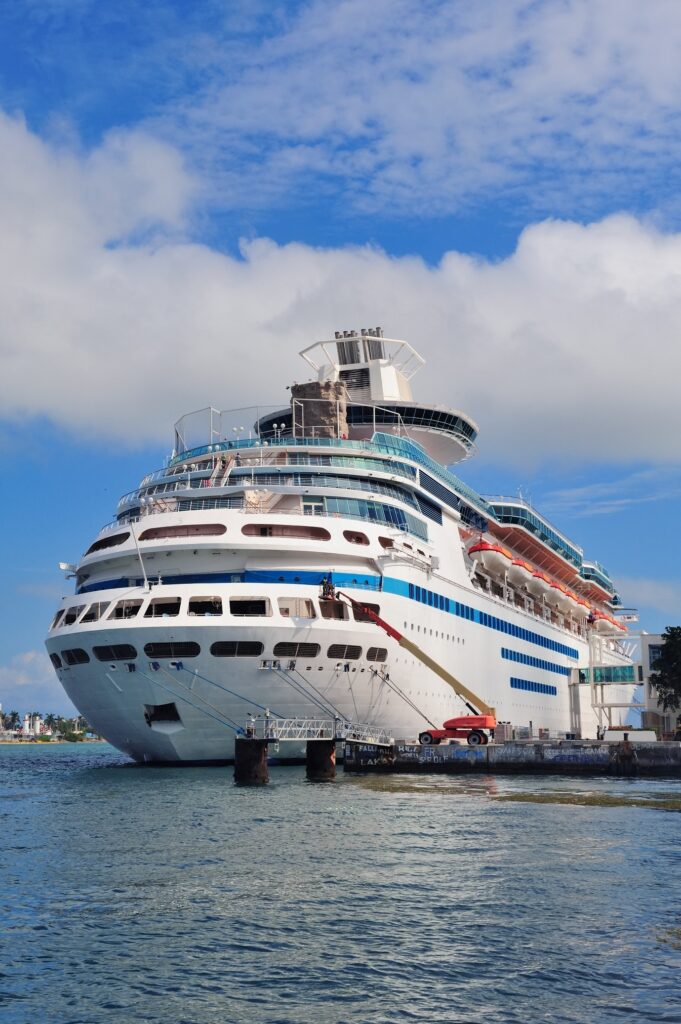
Cruises emerging as all-in-one alternative to traditional flight-and-hotel vacations Photo courtesy: Magnific
For instance, a 7-night Caribbean cruise reportedly can start as low as $599 per person—covering room, board, and multi-destination transport—competing directly with the soaring total cost of flight-and-hotel packages.
Industry players said they are also observing a rising ‘no-fly cruise’ trend to entirely bypass airport security, flight cancellations, and checked-bag fees.
The recent Flydubai incident, combined with widespread flight suspensions across the Middle East and Gulf hubs due to active conflicts, regional aviation has faced severe operational scrutiny this year.
Industry insiders said travellers looking to avoid disrupted flight hubs, besides soaring air fares, have increasingly abandoned air-heavy itineraries in favour of ocean voyages.
Quick to milk the opportunity, cruise lines have rapidly adjusted, redeploying vessels to meet the surging demand. Major operators like Royal Caribbean, Carnival Corporation, and Viking Cruises reported that their fleets are essentially sold-out months in advance at premium rates.
Industry watchers said the inclusion of Broadway-level entertainment, themed dining, and extensive multi-generational amenities has added to the attraction for cruises to traveller enthusiasts across age groups, turning cruises into self-contained vacation destinations.
Demand surge trigger massive fleet expansion
The demand surge has led to cruise lines drawing up major fleet expansions. According to the firmed Seatrade Cruise orderbook, major cruise corporations are managing a robust pipeline of 81 confirmed new vessels with an estimated total investment value of $94.6 billion extending over the next decade.
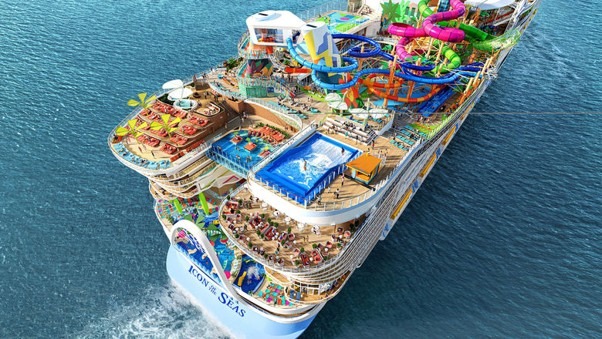
Major cruise lines are making multi-billion investment for fleet expansion, on-board upgradation Photo courtesy: Royal Caribbean
Concurrently, lines are investing hundreds of millions into bow-to-stern onboard facility upgrades via dry-dock “amplification” programmes to keep older ships competitive, according to Navis Consulting, a prominent international, specialist recruitment and staffing agency operating exclusively within the global maritime industry.
MSC Group, Norwegian Cruise Line Holdings, Royal Caribbean Group and Carnival Corporation are among the major cruise giants leading the current multi-billion expansions.
Besides the handful of entrenched players, the upsurge in the cruise industry has also led to entry of some new players.
The luxury hotel brands Four Seasons, Ritz-Carlton and Aman at Sea have entered the cruise market with ultra-luxury yachts aimed at those seeking that luxury hotel feeling but at sea, while new entrants like Villa Vie Residencesare upping the game, offering long-term residential cruising where guests can effectively live aboard the ship.
Sector experts said the strong surge presents significant opportunities for further expansion, as the industry taps into growing wanderlust and an increasing appetite for new travel experiences.