

By James Mathew
‘Cautious optimism’ is the operative word now! The wellness and medical tourism sectors globally are on a ‘watch and pray’ mode following the two-week ceasefire announcement on the West Asia war.
While the fragile and temporary truce has provided a ray of hope for a ‘recovery phase’ for the sectors, market players around the world, including the worst-impacted Midde East, are operating on a ‘hope and prayer’ basis due to deep-seated uncertainties, sector experts said.
Despite the ceasefire somehow still holding amid conflicting signals from the warring sides and threatening outbursts from President Donald Trump, wellness and medical-related travellers are still deterred from taking off in any meaningful numbers due to a host of factors, mainly the volatile oil price-induced surge in airfares and the persisting psychological burden of regional instability.

Middle East truce raised fragile hopes Photo courtesy: Jeremy Thomas/Unsplash
This is making industry experts to refrain from making any ‘call’ on the market situation projection, except describing the current phase as a temporary pause. Many believe that it would take several quarters for the economic impact of the ‘pause’ – if it holds and leads to a somewhat long-term arrangement – on consumption and earnings to be visible.
Any resurfacing of tensions, on the other hand, can immediately threaten to derail the ray of hope on recovery, industry experts warn.
Medical tourism worst hit
Globally, medical tourism sector is reportedly the worst hit, with the impact of the Middle East conflict estimated to have inflicted a 15 – 20 percent hit in overall revenue in the sector in the month of March 2026 internationally. The Middle East has reportedly seen a 50-75 percent decline in patient flow during this month.
Leading global medical tourism hubs like India has been severely hit – and remains vulnerable – with leading hospital chains in cities such as Delhi, Mumbai and Hyderabad reportedly seeing 30 – 75 percent plunge in international patient arrivals during the peak of the conflict.
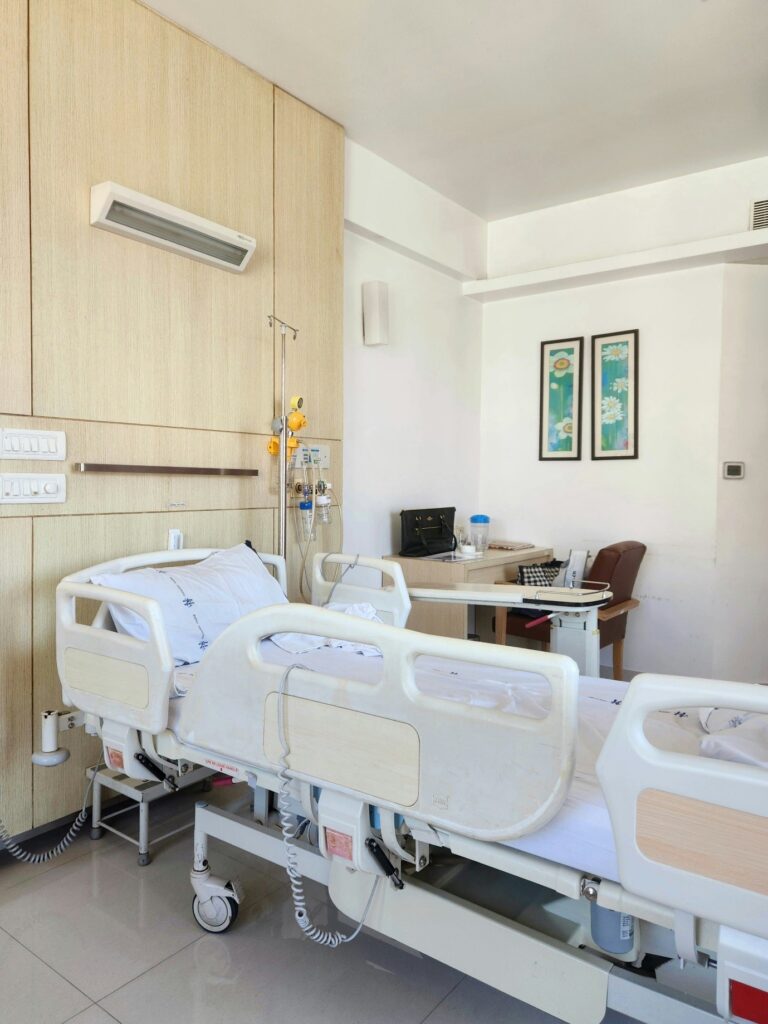
Medical sector was the worst hit Photo courtesy: Zoshua Colah/Unsplash
The conflict has also caused major supply chain risks in India, disrupting critical medical supplies, including helium for MRI machines (from Qatar) and petrochemical feedstocks for essential drugs like paracetamol and antibiotics.
However, even before the ceasefire announcement, leading Indian healthcare chains initiated major strategic shifts by putting in place a diversification plan, aggressively targeting patients from new demographics in Southeast Asia, Africa, and Central Asia to offset losses from West Asia. Many providers have shifted to teleconsultations and virtual second opinions, keeping international patients engaged until physical travel becomes safer.
Wellness hospitality sector prepares for gradual return
The ceasefire, meanwhile, has sparked a renewed optimism among the hospitality operators in general, and wellness hospitality sector in particular, though they point out that many challenges still remain.
Market players in worst hit cities like Dubai, while expressing a major ‘sense of relief’, say the recovery will be gradual and in a phased manner. Luis Santos, Founder of First Class, a Dubai-based hospitality and real estate services group, was quoted in a report in Gulf News, saying that that while a partial rebound in tourism could begin soon in Dubai and the wider region if the ceasefire holds, he expected a full recovery to take months, especially with the summer slowdown adding pressure on the sector.

Sense of relief Photo courtesy: Dane Wetton/Unsplash
Industry players in the UAE – as also in the wider region – are also reportedly rethinking their business strategies, focussing on a disciplined growth path. The Gulf News report quoted Simon Wright, Founder and Chairman of TGP International, as saying that the hospitality sector is showing ‘steady resilience’ but with a clear shift towards more considered growth.
According to Wright, companies are refining offerings, streamlining operations and aligning more closely with customer expectations. “The market is likely to become more disciplined, with greater focus on long-term value and cultural relevance,” the report quoted him as saying.
Meanwhile, wellness-focused businesses are playing a key role in supporting communities during uncertain times in cities like Dubai. Some of the operating companies are reportedly organizing community-driven initiatives such as group rides and wellness sessions to help people reconnect and manage stress.
Sector experts said the coming weeks will be critical as travel demand stabilises and businesses adapt to evolving conditions. The focus, however, will remain on resilience, operational strength and rebuilding confidence for now, they said.
Truce a ‘tactical window’
From Asia to Europe and North America to South America, the wellness and medical tourism markets still remain deeply apprehensive about the fragile, temporary ceasefire in the Middle East conflict, with the truce is viewed as a “tactical window” rather than a definitive end to the crisis.
Industry insiders said many businesses in these regions are still bracing for a long-haul recovery. The prevailing industry sentiment in Asia is that while the ceasefire may ease some logistical tension, market players are not expecting a surge in new registrations. They are also fearful of a “soft quarter”.

Wellness travel sector sentiment still strained Photo courtesy: Ian Keefe/Unsplash
Sentiment in the wellness sector is particularly strained in Asia. Businesses are reportedly focusing on ‘portfolio housekeeping’ and ‘diversifying customer corridors’ to other leading source markets rather than relying on an immediate Middle Eastern rebound.
Wellness and medical tourism players in Europe, meanwhile, are reportedly currently in a state of guarded apprehension. While the ceasefire is a relief for global stability, European markets are less optimistic about an “immediate pickup”. European wellness hubs, particularly in Germany and Switzerland, remain wary.
Many players in leading destination markets in Europe reportedly fear the downward spiral has not bottomed out yet. Besides the surge in air travel costs, domestic factors such as high energy costs in Europe, exacerbated by the conflict’s impact on global oil and gas prices, continue to strain the high-overhead wellness facilities such as spas and thermal baths remain factors for concern.

Long road to recovery Photo courtesy: Emma Simpson/Unsplash
In the US, the market sentiment is best described as ‘hope tempered with scepticism’! For the domestic wellness sector, which relies on discretionary spending by consumers, the still prevailing historic low in consumer sentiment indices indicated by some of the reputed institutions indicate that the ceasefire has not yet restored consumer confidence.
Industry players in the region reportedly are wary of a ‘continued downward spiral’ for several structural reasons as well. The prospect of a “everything crisis” keeps long-term business planning in a state of paralysis, industry players said.
In Latin America, specifically in destination markets like Mexico and Brazil, also industry players are currently in a state of cautious optimism. The domestic wellness and medical tourism sectors in the region remain apprehensive about the fragility of the truce and its long-term impact on global travel confidence.
Business leaders in Mexico’s medical hubs such as Tijuana and Cancún reportedly view the ceasefire as a positive sign, but are not yet seeing a surge in new international bookings. Most are maintaining a “wait-and-watch” stance, as the two-week window is seen as too short to permanently restore traveller confidence.


