

By James Mathew
Forget fancy, posh interiors and mind-numbing square footage. ‘Where you live is how long you live’ is touted as the new ‘luxury’ residence address – or rather the wellbeing residence address – sought by the health – and longevity-inclined.
Wellness real estate – the new fad among the health-freaks – is fast evolving from a passing trend into the new frontier of longevity, driving a high-growth trajectory projected to reach $1.8 trillion by 2030.
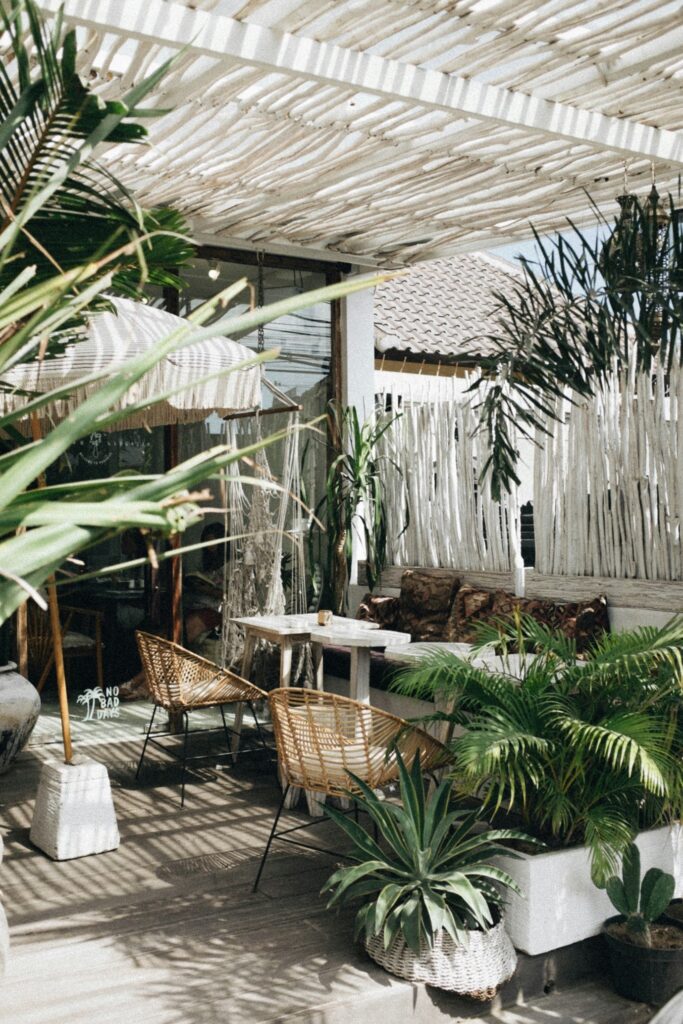
Houses with biophilic architecture are in vouge Photo courtesy: Sonnie Hiles/Unsplash
Sector experts and market studies reveal that a fundamental shift is underway in the property sector, especially the residential sector globally, with the number of health-conscious property buyers shopping for longevity seeing a sharp uptick of late. The wellness address is quickly becoming the ultimate status symbol for those looking to add healthy years to their lives, they said.
The Global Wellness Institute, citing the latest America at Home Study, said 60 percent of all consumers cited health and wellness as the number one reason they desire certain home features. The trend is reportedly catching up in other parts of the world as well.
Physical wellness, nutritional wellness, environmental wellness and meditation rooms are among the key wellness features that are incorporated, reflecting how real estate projects translate holistic health into tangible specifications and services.
Market players said the new and rising breed of wellbeing-oriented home buyers are seeking environments that actively support recovery, downtime and nervous system regulation as part of daily life.
They said the segment is seeing a major expansion already with the market witnessing a surge in the launch of ‘wellness’ projects around the world, and several more are reportedly in the pipeline.
The market expansion is also borne out by the latest data on the wellness real estate market released by the Global Wellness Institute (GWI), the leading research organization for the global wellness industry, revealing that wellness real estate remains by far the fastest growing wellness sector.
Wellness craze is re-shaping real estate
Market players said the surge in demand for ‘wellness addresses’ is triggering a business plan re-thinking in the sector, with several real estate companies shifting focus from aesthetic luxury to holistic wellbeing.

Real estate projects are taking a ‘wellness’ turn Photo courtesy: Buddy AN/Unsplash
Developers are seen planning projects, treating physical and mental health of occupants as fundamental infrastructure rather than an afterthought. The ‘wellness turn’ is incorporated through several core planning and design pillars, featuring biophilic architecture, neuro-architecture (mind-focused design), circadian lighting, and AI-driven environmental controls.
Emerging trends also include “analog wellness” for screen-free recovery, designing against loneliness with walkable community spaces, and prioritizing holistic land ecology.
The ‘longevity’ real estate projects also boast of centralized air purification systems, low volatile organic compounds (VOCs) – chemicals that evaporate from traditional paints, causing strong odours, headaches, and air pollution – and multi-stage water filtration for mineral-balanced drinking water.
They also prioritize acoustic design and soundproofing to reduce noise pollution, which lowers stress and improves sleep.

Buildings with acoustic design in high demand Photo courtesy: Sergio Aguirre/Unsplash
Industry executives said the rising breed of health-conscious buyers demand that their living spaces actively manage their holistic health rather than just offering basic utility or aesthetic appeal. This shift translates into several distinct building practices, they said, contrary to the earlier, traditional notion of wellness in real estate meant a standard swimming pool or fitness centre.
The string of added features, however, come with a high price tag, with wellness-certified properties commanding significant price premiums. Despite the high prices, the ‘longevity’ real estate segment is reportedly seeing rapid absorption rates compared to conventional real estate.
Industry insiders said though wellness real estate entered the market from the top, the segment is seeing fast democratisation with more affordable options emerging in the market, ensuring continuous expansion.
Leading regions, countries
North America leads the wellness real estate market globally, estimated to be accounting for over 40 percent market share, followed by Asia-Pacific, where wellness-integrated mixed-use projects are reportedly gaining traction in urban centres.
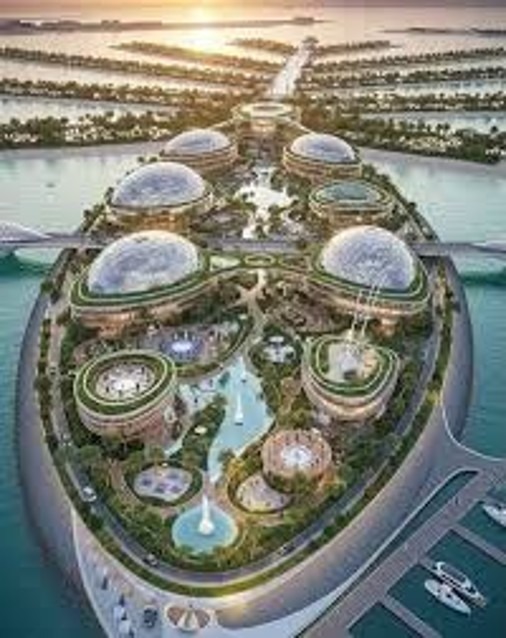
The UAE is building the world’s first ‘Longevity’ island
The Middle East is identified as the fastest-growing region, powered by massive government investment. The UAE and Saudi Arabia – the two leading real estate markets in the region, are reportedly witnessing explosive market growth, rapidly scaling their investments and housing pipeline to hundreds of thousands of wellness-focused residential units.
UAE’s SHA Residences Emirates Island, positioned between Dubai and Abu Dhabi, and AMAALA Triple Bay in Saudi Arabia are among the leading wellness real estate projects in the Gulf region. While SHA Residences Emirates Island is touted as the world’s first island fully dedicated to longevity and wellbeing, the AMAALA project is described as a core component of Saudi Arabia’s expanding wellness real estate portfolio, with the ultra-luxury coastal destination entirely focused on preventive health, longevity, and art.
Europe, meanwhile, continues to capture a significant share – over 25 percent – of the global wellness real estate market, strongly emphasizing historic preservation and sustainable, eco-friendly community design.
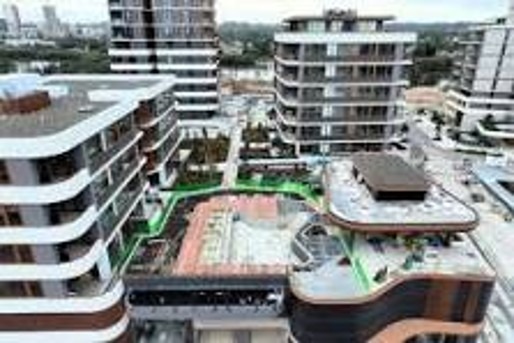
Sekisui House among major wellness real estate players
Delos Living, Emaar Properties, Lendlease, Sekisui House, Related Group and GOCO Hospitality are among the leading market players in the wellness real estate segment. Besides, several other realty companies such as Miraval Group, Rosewood Hotels and Resorts, Chiva-Som, Six Senses and Life Time Living are also expanding their real estate play by launching ‘longevity’ projects.
As the market sees rapid expansion, sector experts said the segment is also seeing an increasing trend of several developers partnering with health-tech and sustainability firms to continuously enhance resident experience through advanced environmental monitoring and lifestyle amenities.
Wellness projects the next big growth driver
Sector experts pin major hopes on wellness real estate turning out to be the next big growth driver for the sector, riding on the rising popularity of residential developments defined by their ability to foster healthier lifestyles, strengthen connections with nature and create environments where people can thrive over the long term.
Wellness-led living is not simply an emerging trend – it represents the future direction of luxury residential real estate, according to Vamsi Sai, CEO, Himalia Prime Assets.
Market players said with the wellness real estate moving from trend to category, more and more developers are focusing on integration of health-focused infrastructure into their master-planned communities.
Valued at $876 billion and projected to surpass $1.1 trillion soon, wellness real estate is estimated to account for over 12 percent of all new construction in heavily investing regions.
Industry insiders, however, said amidst the proliferation of wellness claims by developers, buyers are demanding clearer signals that imply standards, verification, and repeatable outcomes.
As is the case with any newly growing segment, the wellness real estate segment is also allegedly seeing several cases of ‘tall claims, but short on outcomes’, they said.