

By James Mathew
There is no smooth flight for the global travel and tourism industry in this 2026 peak season quarter – at least not yet. The sector has been suddenly hit with scary turbulence and strong headwinds as a massive wave of violent protests sweeps across France, Italy, and many parts of Europe.
This fresh jolt comes at a time when the industry has been manoeuvring through soaring airfares and a renewed air safety-induced slowdown with heavily discounted ground packages, compounding an already difficult quarter for the sector.
Coming right on the heels of record-shattering summer heatwaves, devastating wildfires across Southern Europe, Canada, and the US, and escalating geopolitical tensions in the Middle East, this year is shaping up to be one of the industry’s worst in recent memory—a grim reality sector experts and industry players now openly fear.

Louvre Museum in Paris, world’s most visited museums, was among the iconic tourist attractions closed Photo courtesy: DAT VO, Unsplash
The immediate fallout of the unrest in France and Italy is already visible with tour operators and hoteliers in the affected cities – all major spots for winter tourism in Europe – reporting a massive wave of cancellations.
Furthermore, tour operators are reportedly rerouting itineraries away from primary historical centres to bypass these European urban flashpoints.
Industry players and watchers said European tourism boards are deeply concerned about a negative continent-wide consumer perception. With parallel tents, strikes, and protests active in Belgium, Portugal, Spain, and Albania, travellers are beginning to view Western and Southern Europe as generally unstable, they said.
Industry experts such as Angela Hughes, CEO of Trips & Ships Luxury Travel, a Florida-based luxury host travel agency, wondered about the long-term consequences of the massive protests and riots in Paris and Milan could have on future travel to Europe.
Hughes expressed the concern that the riots in France and Milan could spill over into other destinations, causing a chilling effect due to consumers’ perceptions of what’s happening in Europe.
“Perception’s everything, and while this may die down, perception sells travel — and that’s the problem,” Travel Weekly quoted her as saying.
French, Italian tourism boards in damage control mode
Industry insiders report that French and Italian tourism boards are in immediate damage-control mode. They are tackling a two-pronged challenge: coordinating with authorities to quell protests, while deploying aggressive reassurance campaigns for tourists.

Hospitality majors, tour operators reported large-scale cancellations Photo courtesy: Unsplash
Media reports said tourism bodies in Paris and Milan are working directly with luxury hospitality associations to offer real-time safety updates, coordinate private transfers that bypass protest zones, and heavily advocate for government-backed local curfews to stabilize commercial corridors.
Ironically, tourism boards within the most affected European nations face a paradox: they are managing immediate fallout from economic riots, even as they have been working on to overhaul their strategy to appease angry residents protesting mass tourism.
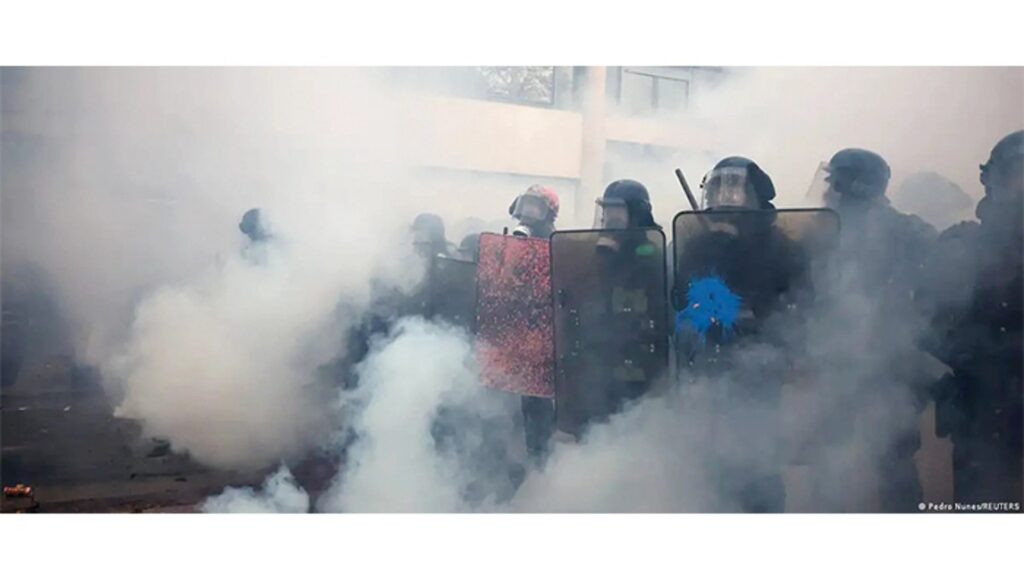
Several European cities saw anti-overtourism rallies in summer 2026
Parts of southern Europe witnessed massive anti-tourism demonstrations this summer, forcing destinations like Switzerland to adopt innovative, sustainable travel strategies to minimise impact and promote responsible travel.
The World Travel and Tourism Council (WTTC) urged for a balanced approach to the issue. While travel and tourism generate substantial tax revenues, governments must engage with communities to ensure these funds are reinvested to meet local needs like improved infrastructure, it said in a statement.
Fishing in troubled waters
Interestingly, while global tourism operators are concerned about the impact of European unrest on both inbound and outbound travel, international tourism boards outside the continent are reportedly going all out to capitalize on the situation.
Industry insiders said these boards are actively weaponizing Europe’s double-whammy of severe summer climate crises and volatile autumn riots to market their own regions as ultra-stable, welcoming alternatives.
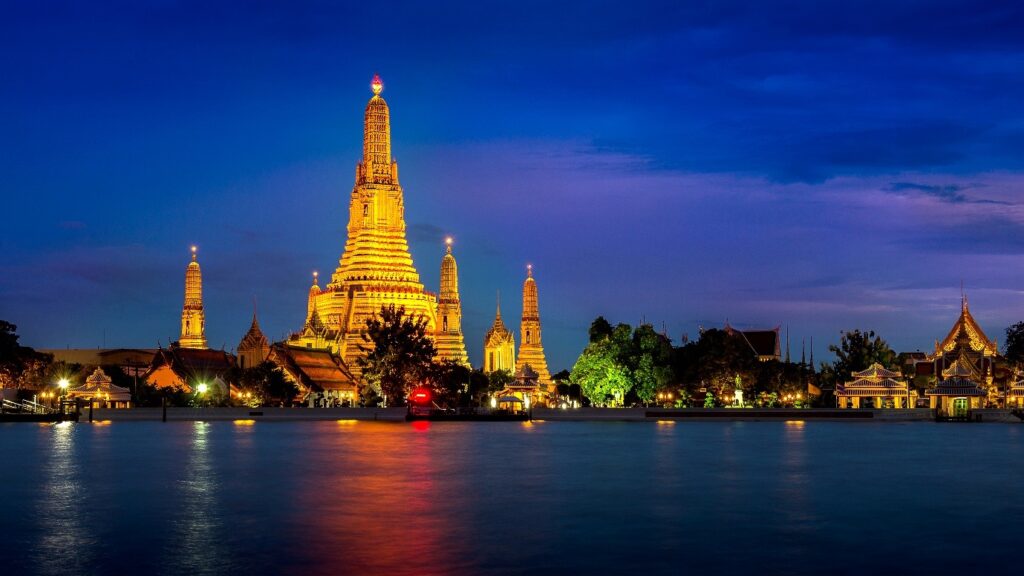
East Asia among major non-European destinations luring travellers Photo courtesy: Magnific
The unrest in Europe also sends a broader ripple effect across the global tourism economy, influencing international traveller behaviour and structural logistics.
With governments worldwide flashing travel warnings for parts of Europe, tour operators report a sudden, visible shift in long-haul allocations away from the continent.
Destinations in Asia-Pacific, parts of the Americas, and even some of the Middle Eastern hubs are expected to capture the holiday traffic fleeing European volatility, as global tourism spending is projected to pivot toward alternative, more stable regions, sector experts said.
Industry watchers say even countries bordering the conflict zones are scrambling to stand out through targeted measures.
Tourism boards in Cyprus, Greece and Portugal are reportedly deploying implicit marketing and strategic public relation strategies to position themselves as safe alternatives.
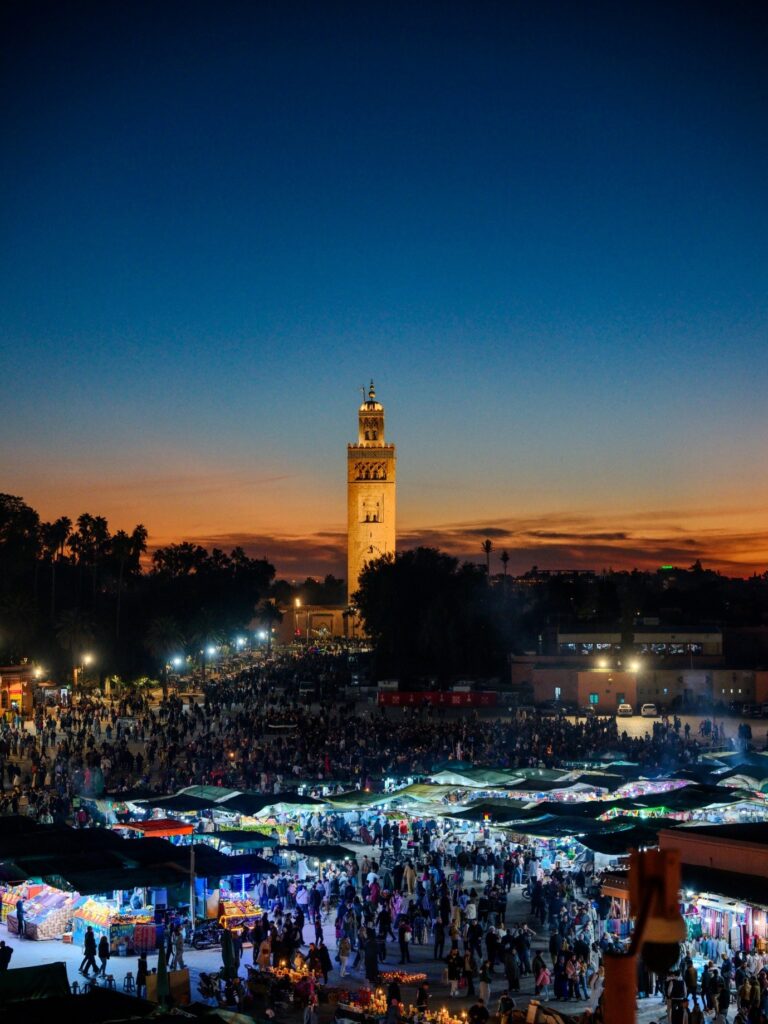
Tourism boards ramp up destination marketing Photo courtesy: Val Vesa/Unsplash
Morocco and Georgia have also ramped up their destination marketing campaigns to capture luxury and cultural travellers seeking Mediterranean alternatives without the risk of city-wide blockades.
Tourism ministries across Africa, Southeast Asia, and the Americas, meanwhile, are reportedly aggressively buying targeted digital ad space in major long-haul source markets like the US and China.
Even global industry groups like the World Travel & Tourism Council (WTTC) are publicly urging international operators to protect local businesses by diversifying their itineraries, driving traffic toward stable emerging economies.
It’s not all doom and gloom for European tourism
Latest industry data shows that safe-haven destinations are already reaping the rewards as travellers pivot away from impacted European zones.
Tourism data from late October 2026 highlights a clear divide in European travel. According to the European Travel Commission (ETC), general long-haul travel intentions have cooled from 55 percent to 50 percent year-on-year.
However, confirmed flight bookings are holding steady as risk-averse travellers actively swap out urban flashpoints for more predictable destinations.

Travel booking cancellations to several European destinations Photo courtesy: John/Unsplash
The ETC report also showed that the overall interest in visiting Europe from major overseas markets including the US, Canada, Australia, and Brazil has dropped from 38 percent to 34 percent this autumn.
The primary regional and global beneficiaries gaining immediate tourism market share from this unrest include the European exceptions such as Cyprus, Portugal and Switzerland, East Asia and India.
Sector experts, however, warn that Europe’s back-to-back tourism crises this year will trigger severe economic strain for global operators, given Europe’s status as the world’s most visited destination.
A structural downturn in European bookings hurts global airlines, transnational cruise lines, and major booking platforms.
Besides, with the Euro dipping amid the civil unrest, the global travel economy could also face broader currency fluctuations, which, in turn, could alter the purchasing power and pricing strategies of international tour providers.