
By James Mathew
Away from the renewed buzz in stock markets and the collective sigh on the plunge in crude prices, there is one sector which is most excited but silently celebrating the US-Iran peace deal – the medical tourism sector!
The announcement on the long-term truce in the Middle East conflicts triggered an immediate rebound in medical tourism globally, with hospital networks and clinical aggregators in leading medical tourism destinations reporting a surge in patient flows, while travel aggregators revealing a significant uptick in ticket searches and bookings for medical-related travels in the last few days.

It’s a deal!
The diplomatic breakthrough is restoring pre-conflict patient flows and stabilizing an international healthcare market that had faced severe disruptions, sector experts and hospital chain executives said.
The surge in medical tourism follows the peace agreement driving a recovery as airspace reopenings, flight prices drop – and most importantly the return of travel confidence.
The rebound in the medical tourism sector is also enhanced by a highly favourable US dollar exchange rate for international patients in the sought-after destination markets in Asia, especially in countries like India, Thailand and Malaysia. The US dollar and Gulf currencies hold high purchasing power in these markets, making costs of medical treatment and procedures highly attractive to Western and Arab patients.
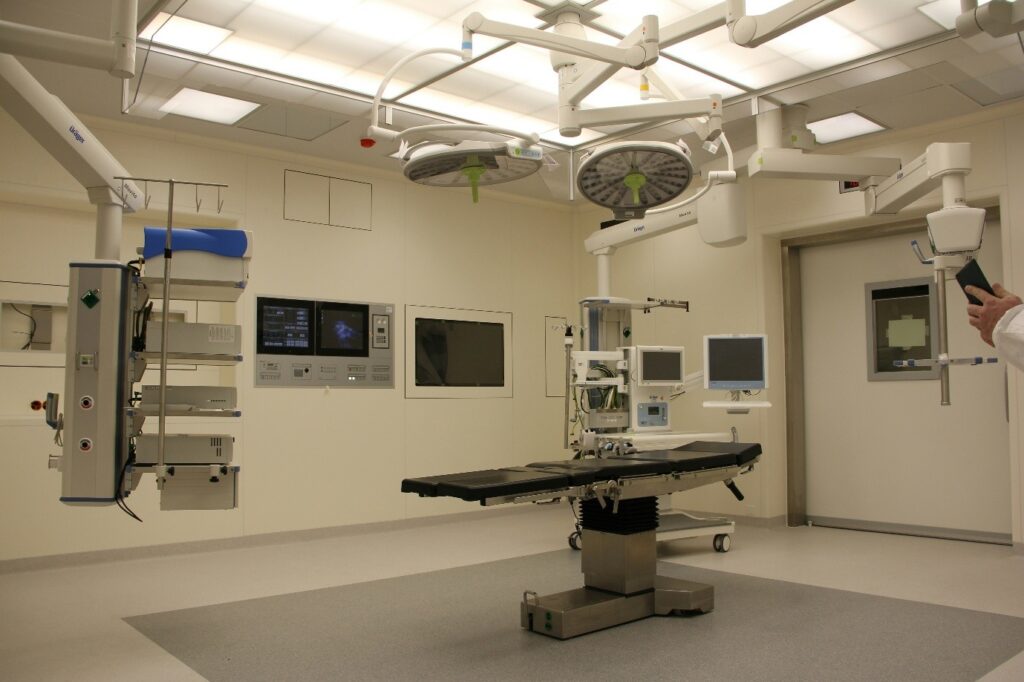
Hospitals in Iran also a marketing overdrive Photo courtesy: Marcel Scholte/Unsplash
Surprisingly, even Iran is quickly activating its medical tourism sector post-announcement of its peace deal with the US, with domestic health tourism agencies reporting rapid marketing plans for specialized, low-cost fertility and cosmetic packages to neighbouring cross-border travellers again.
Though it’s too early to get any growth numbers, sector experts said early high-frequency indicators from hospital networks, global travel platforms and regional medical value travel (MVT) aggregators show a clear upward trajectory. Provisional data also shows an immediate 10 to 15 percent projected revenue surge across global tourism sectors, alongside a rapid stabilization in medical travel inquiries following the US-Iran peace deal.
Market players, while pointing out that the immediate “boom” is a restorative bounce from a localized crisis, expressed hope that the easing of tensions supports the steady, long-term growth of the global medical tourism sector, projected to reach between $126 billion and $250 billion by 2034 by various research entities.
Paused inquiries into active bookings
Hospital networks in India and other medical hubs in Southeast Asia, which previously projected severe 15 to 35 percent international revenue hits, report a rapid conversion of paused inquiries into active bookings.
Top clinical aggregators cite that West Asian source markets such as Oman, Iraq, Yemen, and Saudi Arabia are driving the initial surge, as thousands of patients clear a four-month backlog of deferred cardiac, orthopaedic, and oncology treatments.

Heart, cancer patients among early returnees Photo courtesy: National Cancer Institute
Cardiology, complex oncology (cancer treatment), and cosmetic/reconstructive surgery are seeing the fastest return in international patient volumes.
Flight aggregation data also reveals a significant uptick in ticket searches and forward bookings originating from West Asia toward major medical hubs in South Asia and Turkey.
Outbound travel aggregators said while the general leisure market is reacting gradually, medical tourism travel bookings are experiencing a vastly accelerated, high-priority rebound. Patients who spent four months delaying major surgical procedures are seen taking immediate advantage of restored flight corridors, stabilizing the multi-billion dollar cross-border healthcare economy, they said.
Provisional maritime and aviation data showed that reopening the Strait of Hormuz has instantly lowered the geopolitical risk premiums, freight surcharges, and travel insurance liabilities that previously made cross-border medical transit cost-prohibitive.
Sector experts said the provisional rebound ensures that the primary medical tourism markets will successfully defend their growth goals for the year.
“Health-and-Fly” incentives driving bookings
Aviation sector reporting tracking the immediate aftermath of the peace announcement showed a sharp pivot toward normalization.
Industry insiders said data compiled by airline tracking metrics showed that after losing nearly $700 million in scaling-back operations during the peak of the conflict, leading Gulf carriers such as Emirates and Etihad Airways are moving dynamically to restore flights.
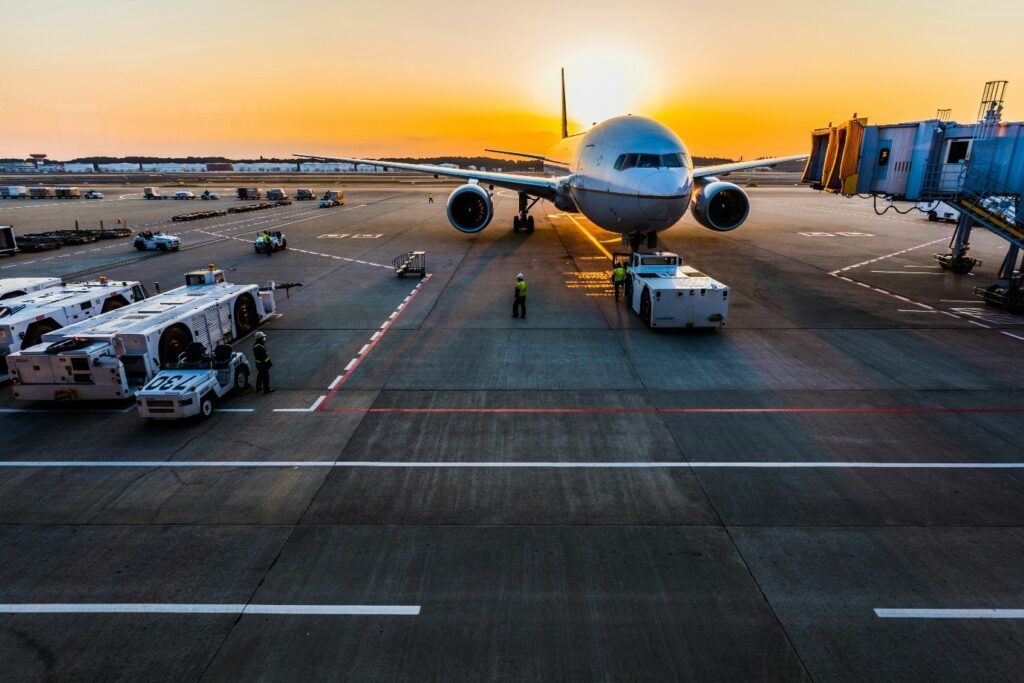
Airlines targeting medical travellers with freebies Photo courtesy: Rocker Sta/Unsplash
Airlines and local tourism boards are also reportedly actively targeting medical travellers with aggressive promotional schemes to rebuild consumer confidence. For instance, Etihad Airways announced joining forces with Abu Dhabi’s Department of Culture and Tourism to offer free medical travel insurance for passengers on flights from July until December.
The announcement has reportedly triggered an immediate spike in regional forward bookings. However, The National reported that the free insurance will not provide cover for pre-existing health conditions.
Emirates also announced a comprehensive travel cover, which the airline said is an industry-first travel insurance product that handles it all, including medical cover for conflict-related incidents and extended-stay support across a range of disruption scenarios.
Industry experts said as carriers map out immediate rerouting strategies back through Iranian airspace, expected drops in fuel burn are prompting medical travel agencies to book large, all-inclusive patient bundles.
While international air fares are not expected to see any significant drop in the short-term despite the Middle East truce, medical tourism sector players said low-cost healthcare markets still remain exponentially cheaper than the US, Europe, and Canada, even when factoring in inflated post-war airfares and high insurance premiums.
The baseline cost differential for major surgeries is so vast – often ranging from 60 percent to 90 percent in savings – that adding a $2,000 plane ticket and a $500 insurance premium barely impacts the final financial advantage for self-pay or underinsured patients, they said.
India, UAE lead the rebound in medical tourism
The regions reporting the most significant rebound in medical tourism and patient arrivals are primarily India and other major destinations in Southeast Asia and Middle East destinations such as the UAE.

Indian, UAE hospitals see surge in patient arrivals Photo courtesy: Piron Guillaume/Unsplash
India is reportedly experiencing the sharpest restorative bounce because it traditionally serves as the primary medical travel hub for West Asian patients seeking complex tertiary care. Hospitals in major medical hubs in India like Delhi, Mumbai, and Chennai are reporting an immediate surge in re-registrations for deferred cardiac care, neurosurgeries, and organ transplants.
Market players said the sudden announcement of the peace deal has unlocked massive pent-up demand for critical and elective surgeries.
Meanwhile, leading market players in the Middle East destinations, especially the UAE, are using the diplomatic stabilization to aggressively capture returning medical travellers.
Even Iran is expected to gain big from the truce deal. Previously restricted to regional, hyper-cost-sensitive travellers due to banking friction, the proposed $300 billion US-led economic rehabilitation and sanctions-lifting package in the deal package with the US is expected to transform the war-battered country’s domestic medical tourism market.
With its highly regarded plastic surgery and fertility clinics, the stabilization is normalizing patient inflows from neighbouring Gulf states such as Oman, Iraq, and Yemen, who previously avoided the country due to safety risks, according to World Medical.
While South Asia and the Middle East are seeing the most direct impact, secondary medical hubs in Turkey and Southeast Asia such as Thailand and Malaysia are also experiencing a normalization in patient traffic.
These regions had previously seen mild flight path disruptions and are now benefiting from the overall stabilization of global aviation pricing.
Phased recovery projected
Though the US-Iran peace deal is expected to significantly accelerate the recovery of global medical tourism, the market projected to see a phased rebound, with its baseline pre-war growth rate reaching over a 3 to 6 months-period.

Recovery expected in phases Photo courtesy: Hush Naidoo Jade/Unsplash
Sector experts said the agreement will act as a critical macroeconomic relief valve, removing severe geopolitical bottlenecks, lowering travel costs, and unlocking massive pent-up demand for deferred medical procedures.
The recovery is projected to unfold across three distinct phases, based on travel logistics, medical urgency, and infrastructure readiness, they said.
While Phase 1 is set to see an immediate resurgence high-margin, life-saving procedures such as complex oncology treatments and cardiovascular surgeries, Phase 2 is expected to see a structural stabilization over 1-3 months, clearing the backlog.
Phase 3 is projected to see the sector’s growth baseline restored by late 2026, with the temporary disruptions fully ironed out. This is expected to pave the way for a significant market expansion, enabling the global medical tourism sector to resume its steady growth rate.