

By James Mathew
Still holding back on your year-end vacation due to soaring airfares and safety concerns? If you’re ready to look past the headlines, consider Dubai’s tempting offer of $800 worth of travel vouchers and luxury perks, alongside unbeatable promo fares on desert safaris and theme park tickets.

Retreats along Turkish Riviera lure travellers with discounted packages Photo courtesy: Merve Bayat/Unsplash
But if you prefer a lower-risk, stress-free getaway, consider an immersive holiday at a premium coastal resort in Phuket with a massive, ‘unseasonal’ 40 percent package discount, or unwind at a comfy retreat along the Turkish Riviera for just $45 a day.
Industry executives said major tourism boards, hotels, and online travel agencies are launching aggressive promotional campaigns and slashing prices to salvage the critical October–December 2026 peak travel season.
Industry data reveals the travel and hospitality sectors are facing a brutal holiday quarter. Skyrocketing airfares and sudden anxieties over flight security—sparked by the recent Flydubai hijacking attempt—have severely impacted festival and year-end travel plans.

Georgia among offbeat destinations taking lead in low-cost listings Photo courtesy: Aleksandr Artiushenko/Unsplash
Interestingly, offbeat holiday value spots in Asia and Europe are taking the lead in aggressively wooing travellers with unprecedented low-cost listings. Georgia, Porto (Portugal) Chiang Mai (Thailand), Hoi An and Halong Bay (Vietnam) and Antalya (Turkey) are among the destinations which are positioning themselves aggressively as safe, highly affordable alternative to classic European winter destinations.
Industry players said holidaymakers are responding with strong, selective enthusiasm to these lucrative offers, driving a massive reallocation of tourism dollars rather than a complete halt to travel.
Destinations offering regional accessibility and seamless entry such as visa-free policies or budget boutique pricing are seeing a stark acceleration in reservation volume, they said.
Major Asian and Latin American tourist hubs join the trend
Sector experts said taking a cue from the off-beat destination players, popular tourist destinations in Asia and Latin America are also joining the bandwagon with lucrative travel incentives.
Hospitality groups across Bali (Indonesia) are undercutting traditional peak-season price surges. Premium private retreats and low-cost eco-stays have reportedly introduced unseasonal promotions, bringing average visitor expenses down to $48 per day, while lesser-known nearby islands like Lombok and Flores are offering even deeper 20–30 percent “shoulder-rate” discounts.

Operators in hubs like Hoi An offer 35-50% discounted packages Photo courtesy: Paul Macdonald/Unsplash
Major operators in Vietnamese holiday destinations such as Hoi An, Hanoi, and Phu Quoc are running promotional campaigns, offering 35-50 percent discounted packages.
Leading tour operators like Thomas Cook and MakeMyTrip have rolled out structural price cuts – averaging 12-15 percent off – on multi-country transit packages. EaseMyTrip, another online travel aggregator operating internationally, is offering up to 50 percent off on hotels and 15 percent off for flights.
Similarly, major tourism associations and regional tour companies in Latin America are rolling out structured package promotions to mitigate high fuel, especially to address soaring airfares to Europe, and to capitalize on unique, changing market dynamics.
Large hospitality brands in Mexico and elsewhere in Central America are countering high international flight overheads by drastically slashing lodging costs to capture North American and intra-regional travellers, according to Data Appeal Mabrian, a global travel and destination intelligence ecosystem.
For instance, the Hyatt Inclusive Collection reportedly launched an Americas Resort Sale offering up to 35 percent off premium stays across destinations in Mexico and the Caribbean.
Emerging destinations also enter the fray
Meanwhile, several emerging tourist destinations around the world are also stepping in with aggressive, innovative campaigns to capitalize on the late 2026 travel downturn affecting mainstream hubs.
However, instead of fighting the “budget-busting” cash flight market, these emerging markets are utilizing ‘Destination Dupe’ positioning, land-cost subsidies, and infrastructure-first incentives to capture value-conscious travellers, according to market players.
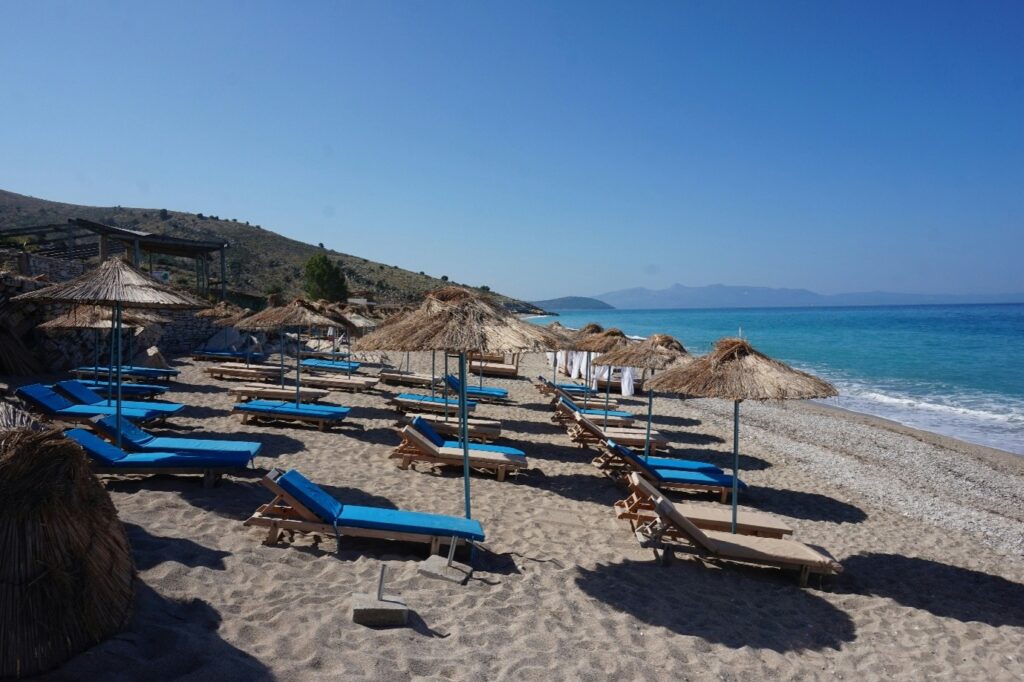
Emerging destinations utilizing ‘Destination Dupe’ positioning to lure travellers Photo courtesy: Marie Volkert/Unsplash
For instance, the Albanian Riviera is positioning itself directly against Italy’s Amalfi Coast, offering turquoise waters and cliffside Mediterranean villages for $35–$65/day compared to Amalfi’s $130–$200/day, while Tbilisi, Georgia is drawing crowds away from traditional winter hubs like Prague or Edinburgh by promoting its architectural charm and dark academia aesthetic at a highly affordable $25–$45/day.
In a bid to capitalize on the rising demand for ‘slow tourism’, regions like Uzbekistan (Silk Road heritage paths) and North Spain (Picos de Europa mountain alternatives to the expensive Swiss Alps) are offering unseasonal all-inclusive wilderness, hiking, and culinary packages.
Industry analysts said some of the emerging destinations are partnering with domestic operators to drastically slash the on-the-ground cost of the holiday in an effort to offset the spike in international air fares, estimated at 33 percent on some select long-haul routes.
Tourism boards are subsidizing boutique eco-lodges, tours, and ground transit so that the total cost of the trip remains lower than a standard mainstream flight-only ticket, they said.
Discount packages boost booking volumes
Industry insiders said latest data inputs strongly indicate that the lucrative, targeted packages by tourism boards and industry players are lifting both booking volumes and operator revenues, though the gains are distributed unevenly across the market.
Value-conscious holidaymakers are actively redeeming these promotional offers to salvage their peak-season plans, they said.

Strong customer response to travel promo offers Photo courtesy: Magnific
Data from major travel agencies and market intelligence indexes reveal platforms offering localized and bundle-heavy incentives are seeing record-breaking engagement.
Flash campaigns by e-commerce and travel platforms such as ‘Travel Utsav’ by EaseMyTrip, offering up to 50 percent discount on hotel bookings, and ‘Big Billion Days’ by Cleartrip, offering promotional deals across flights, hotels, and holiday package, are successfully capturing massive market share, reporting high immediate booking conversions.
Data points, however, reveal some distinct behavioural shifts and booking statistics that demonstrate a clear pick-up in areas where discounts or strategic travel methods are available.
A massive wave of holidaymakers is seen turning to loyalty programmes to absorb the shock of soaring airfares, instead of paying cash for expensive flights.
Platforms like The Points Guy show that travellers are finding extreme arbitrage value, redeeming modest point quantities for flights, getting up to triple the typical historical value per mile.
There is also a strong consumer appetite to book closer to departure dates, moving swiftly to lock in value-driven promotional offers.
Overall sector revenues for the current quarter rose significantly following recent promotional campaigns, even as long-haul international travel cooled on volatile corridors, according to industry players.