

By James Mathew
Out of crisis comes opportunity. As Western nations face long delays for medical appointments and skyrocketing healthcare costs, medical tourism hubs in Asia and Latin America are experiencing a massive surge in demand heading into the latter half of 2026, sector experts and industry players said.

H2 2026 sees medical tourism-related travel takes off in a big way Photo courtesy: Liu Revutska/Unsplash
Leading medical tourism destinations such as Thailand, India, Mexico, and Malaysia are seeing a surge in international patient arrivals during the second half of this year, industry executives said, as hyper-stressed public healthcare grids and economic cost pressures drive patients, mainly from the West, to seek cross-border medical care.
The current appointment-wait times in several Western countries, including the UK and Canada, reportedly range from months to over a year for specialist consultations and elective surgeries. In comparison, often same-day imaging and consultations are available in leading medical tourism hubs such as Thailand, India, Malaysia, and Mexico.
Industry analysts said patients can also save anywhere from 30 to 85 percent on procedures compared to costs in the US and other Western countries.

Aggressive marketing by healthcare players in Southeast Asia, Asia to lure international patients
Leading global medical tourism hubs are also aiding the surge in patient influx through aggressive marketing pitches and attractive cost-arbitrage offers to make up for the severe market disruptions in H1, 2026.
The widespread airspace closures, flight suspensions, and a 15 to 25 percent spike in airfare due to the ongoing Middle East conflict has reportedly resulted in a sharp 40 to 60 percent decline in international patient arrivals in some of sought-after medical tourism hubs in Asia such as India, Malysia and Thailand.
To offset these multimillion-dollar revenue losses, leading destinations like India, Turkey, and Southeast Asia have rolled out major structural, digital, and geographical pivot initiatives to lure international patients in the second half of 2026.
The industry’s rapid growth in H2, 2026 is also attributed to the growing trend of international patients combining clinical procedures with preventative care and rehabilitation. This trend blends conventional Western medicine with holistic traditional therapies such as Ayurveda, Yoga, or specialized physical rehab retreats – aimed at long-term wellness recovery, industry players said.
Regional drivers shaping the trend
Industry executives attributed regional and macroeconomic drivers in leading outbound sourcing countries as the major factors fuelling the demand surge in the current half of 2026.

Surging medical insurance costs trigger cross-border treatment rush Photo courtesy: Irwan/Unsplash
The reset in healthcare premiums and deductible caps in the US, billed as the single largest outbound sourcing market for international medical tourism by total economic value, are driving underinsured Americans heading abroad in record numbers, according to industry data.
In H2 2026, millions of Americans are reportedly capitalizing on “proximity care”, driving across the southern border to Mexican healthcare hubs like Tijuana and Los Algodones for major bariatric surgeries and dental reconstructions to avoid high out-of-pocket costs at home.
Outbound medical travel from the UK and Western Europe is also reportedly seeing a sharp increase in the latter half of this year, triggered by growing disillusionment with public healthcare infrastructure.

Record wait times in hospitals in the West pushing up medical tourism Photo courtesy: Navy Medicine/Unsplash
The record-long wait times for non-emergency orthopaedic and cardiac surgeries within the UK’s National Health Service (NHS) has reached a tipping point, according to industry reports. Patients are choosing to pay out-of-pocket rather than wait months for procedures.
In H2 2026, Western European patient volumes have shifted into Turkey in large number for high-throughput aesthetics and dental implants) and Thailand for orthopaedic and luxury rehabilitation, according to Medical Tourism Watch, an independent trade publication that covers the business and economics of global medical travel.
Outbound flows from the Gulf Cooperation Council (GCC) countries, especially Saudi Arabia, Kuwait, and Qatar, which faced massive disruptions in the first half of 2026 due to the Middle East conflict, have also rebounded with notable momentum, according to Ichelon Consulting, a healthcare-first digital marketing consulting firm.
The stabilization of flight corridors in the second half of 2026 released a massive wave of deferred, high-value medical travel, the Ichelon report said, adding that GCC patient arrivals recorded up to 35 percent year-over-year jump, flowing heavily into India’s and Thailand’s premium private hospital networks for high-end robotic surgeries, specialized diagnostics, and executive wellness programmes.
Industry platforms report unprecedented volume
Data and operational metrics show that the global rebound in medical tourism during the second half of 2026 is well underway.
Platforms that connect patients to international clinics are reporting unprecedented volume. For instance, data from Bookimed showed the platform processing over 170,000 patient requests in the 12-month period.
A substantial portion of the platform-mediated demand reportedly stems from Western patients seeking timely orthopaedic, cardiac, and elective surgeries.
Industry executives said the influx of patients avoiding Western delays is concentrated in several major global medical hubs. While dozens of countries compete for medical tourists, a few key players consistently lead the market based on patient volume, infrastructure quality, and specialization, they said.
According to the Medical Tourism Index and various industry reports, Mexico, with its proximity to the US, is fast emerging as a dominant player for dental care, cosmetic surgery, and bariatric procedures, while Turkey is emerging as a global leader in hair transplants, ophthalmology, and cosmetic surgery.

No or minimum wait period for complex surgeries in medical tourism hubs Photo courtesy: Rodrigo Porto/Unsplash
Thailand, long recognized for its world-class private hospitals, such as those in the Bumrungrad and Bangkok Hospital networks, is rated as a popular destination for comprehensive health check-ups, orthopaedic surgery, and cardiac care.
India, billed as a powerhouse for complex, high-acuity procedures like cardiac bypass surgery, hip and knee replacements, and organ transplants, is another major beneficiary of the rebound in medical tourism in the latter half of 2026.
Costa Rica, known as a hub for high-quality, affordable dentistry and cosmetic surgery, is also reportedly attracting many American and Canadian patients this year.
Sector facing key structural shifts
Amidst the spike in demand, industry experts and recent studies indicate that the medical tourism sector is witnessing several key structural shifts that could reshape the future of cross-border care.
Among them is the shift from a fringe cost-saving alternative toward a highly integrated, technology-driven mainstream healthcare choice.
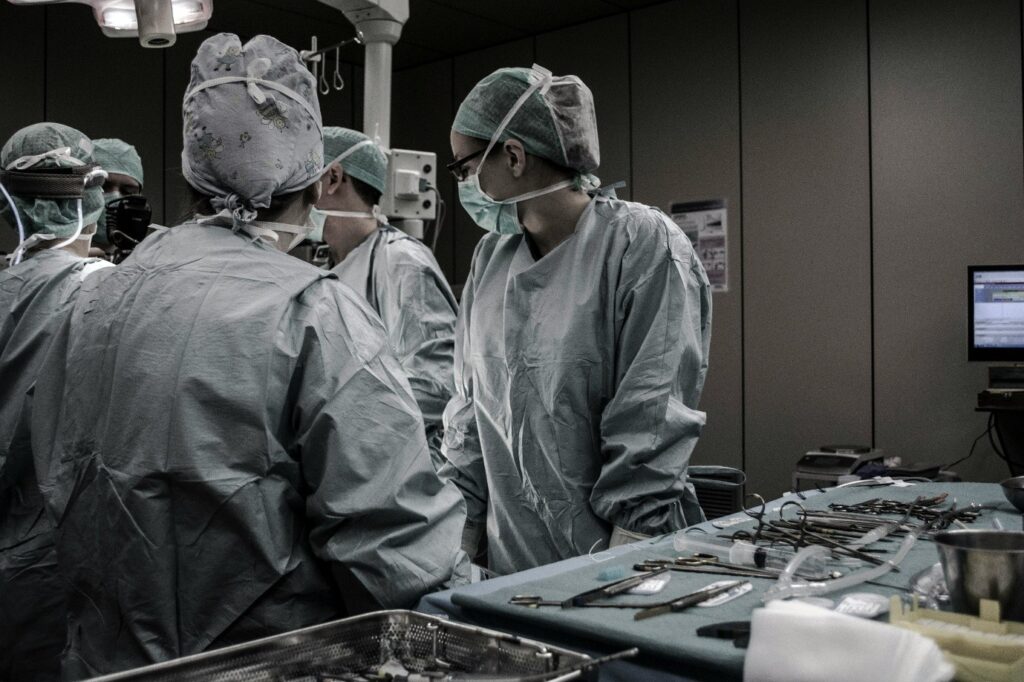
Specialised procedures are in high demand Photo courtesy: Piron Guillaume/Unsplash
Rise of specialized niche destinations is another shift getting more and more evident in the sector. While patients are also now looking for highly specialised healthcare facilities at competitive costs, destinations are also focusing on developing hyper-targeted clinical reputations, instead of offering generic, interchangeable savings.
Countries like Turkey and Mexico are reportedly solidifying absolute dominance in high-volume aesthetic sectors, including cosmetic dentistry, weight-loss surgeries, and hair transplants, while destinations like India and South Korea are positioning themselves as preferred hubs for complex quaternary treatments like advanced oncology (e.g., proton therapy, CAR-T cell therapies), organ transplants, and robotic surgeries.
Medical tourism is also moving out of overcrowded capital cities, with governments and private healthcare chains in several destination countries investing heavily in non-metropolitan cities to distribute patient volume and lower costs further. The move is reportedly attracting international patients looking for shorter wait times and reduced overhead costs.