
By James Mathew
It’s a double bonanza! The twin effects of 2026 soccer world cup fever and the ongoing US-Iran peace negotiations are driving a surge in the sales of wellness and medical equipment and gadgets, bringing cheers to market players globally.
The collective enthusiasm, industry players report, is creating distinct sales boosts across various equipment and gadget categories.

Wellness equipment and gadgets get soccer-fever and Middle East peace deal boost
While the soccer fever is driving a surge in a range of wellness and consumer tech products globally, especially generating significant interest in consumer health monitoring wearables, smartwatches, and recovery gadgets like compression boots, the stabilization of oil markets and cooling of geopolitical risk from the US-Iran peace talks is boosting international medical travel, enticing regional health hubs to heavily purchase advanced recovery and diagnostic systems.
The tournament, industry insiders said, has spurred notable sales in respiratory and conditioning gear such as specialty sports and respiratory training equipment. Some of the elite training and recovery units are also witnessing a surge in demand from sports facilities, physical therapists, and fitness enthusiasts as fans and wellness enthusiasts look to emulate the fitness and performance levels of professional athletes, industry players said.
Record-breaking sales in wellness equipment, gadgets
The twin momentum is predicted to drive the markets toward several record-breaking metrics, with financial projections by research entities such as Mordor Intelligence point to massive surge in the quantum of global wellness equipment, gadgets, and medical tourism sales.
Retailers and regional hubs are reportedly experiencing distinct, localized surges in consumer and institutional demand.
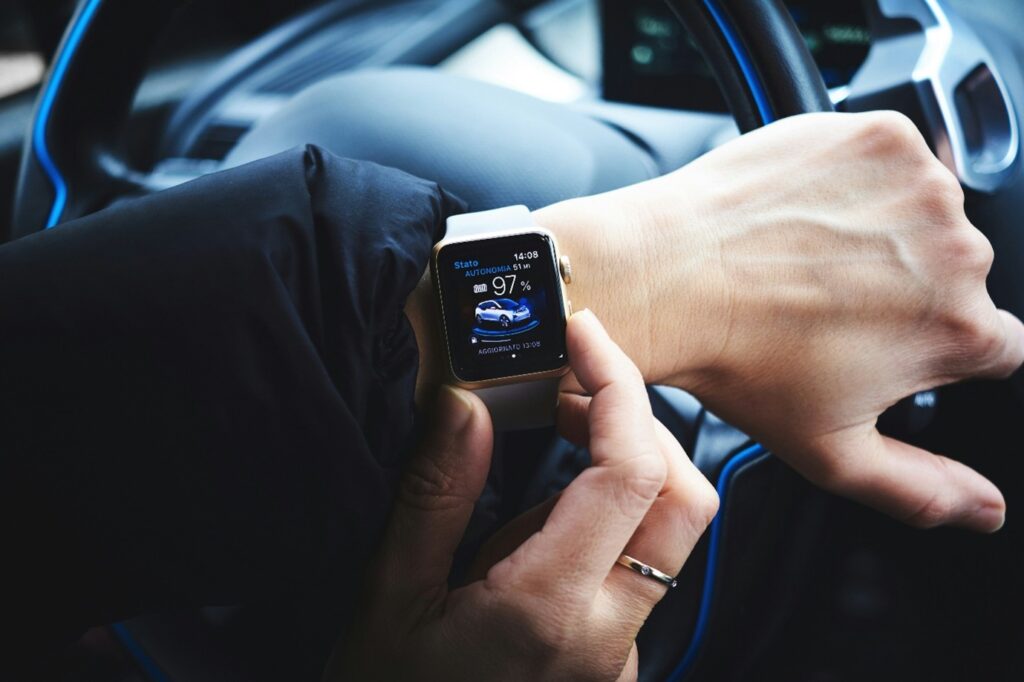
Wearable wellness devices are in high demand Photo courtesy: Luca Bravo/Unsplash
The wearable wellness devices and sports tech products are reportedly seeing heightened tractions with enthusiasts, with the current sports fever, paired with aggressive digital health campaigns by tournament sponsors, seen significantly pulling forward the adoption of tracking gadgets and at-home conditioning tools.
The global wearable wellness device market, estimated at over $37 billion currently, is projected to almost double to $70 billion by 2034, while the home wellness and recovery device market is expected to swell to $19.75 billion during the period.
The medical devices and equipment market, which powers the medical tourism sector, is projected to reach over $1trillion globally by 2034.
Regions seeing heightened performances
The US, a primary host of the 2026 World Cup, is reportedly reaping the maximum benefit of the soccer fever-induced sales boost, with an estimated 22 percent surge in wearable tech sales in the April-June quarter, including smartwatches and biometric bands, over the last quarter.
The residential fitness equipment segment in the US, including smart treadmills and connected strength frames, is also seeing a significant bump in sales this quarter.
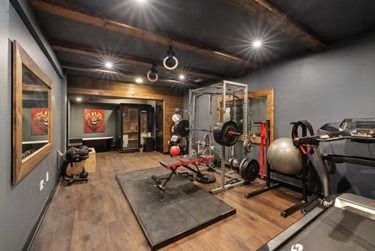
US seeing heightened sales in home fitness equipment
The favourable consumer trend is also helping the wellness equipment and gadgets market players in Canada, a co-host of the 2026 soccer world cup.
South America is also experiencing an intense, fan-driven consumption wave, with football-centric nations like Brazil and Argentina reportedly seeing an estimated 12 percent hike in consumer health tracking sales. Local gyms and cross-training clubs in the region are expanding facilities to capture tournament hype, driving up wholesale orders for mechanical and conventional strength gear.
The knock-off effect is also benefitting Asia-Pacific, billed as a fastest-growing regional market globally for wellness tourism and health devices. India, which has a sizeable soccer fan following, reportedly seen a 14 percent spike in home conditioning fitness devices, smart scales, and respiratory gadgets in the quarter. Major sports retailers like Decathlon India also reported that over 50 percent of soccer-related inventory sold out before the tournament even started.
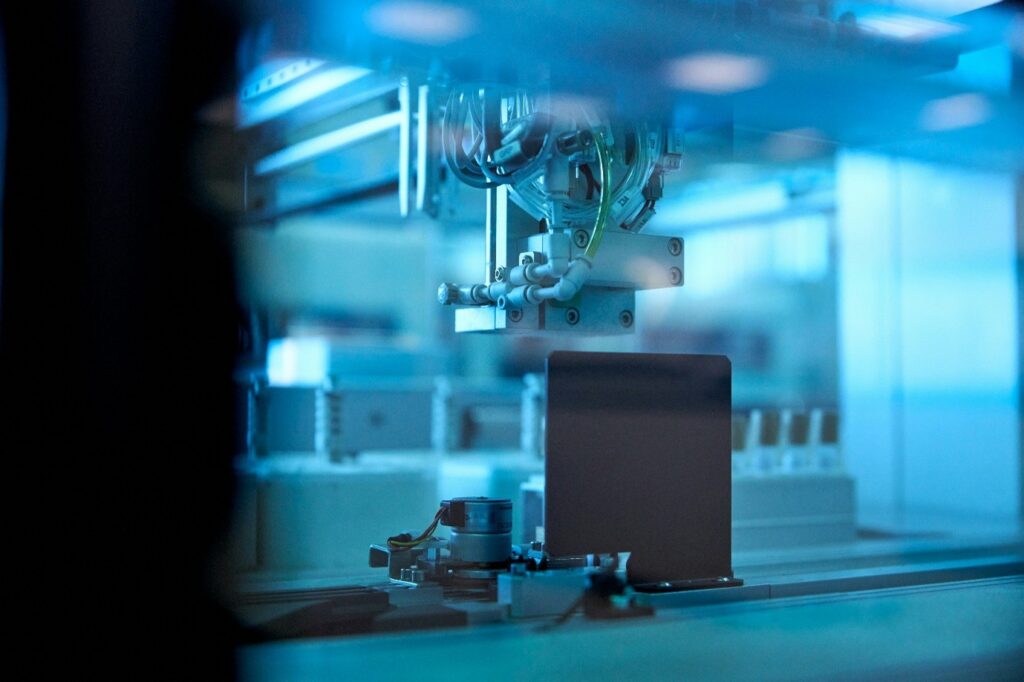
Asia, GCC major drivers of medical equipment Photo courtesy: Testalize.me/Unsplash
As for the medical equipment and gadgets sector, Asia, particularly India, and the GCC (Gulf Cooperation Council) region are seen as the major drivers of growth, driven by a massive influx of cross-border patients following international stabilization. India’s localized medical tourism sector, which is tracking toward $20.4 billion in 2026 as per projections by market research firm Future Market Insights (FMI), has pushed an over 11 percent spike in increase in the purchase of physical rehab and diagnostic wellness equipment by private healthcare players, according to Mordor Intelligence.
The GCC is witnessing the most explosive, direct windfall from the cooling of regional tensions following the U.S.–Iran peace breakthrough. To meet demand surge in cross-border medical travel, regional hospitals are reportedly aggressively importing high-end commercial recovery suites, hyperbaric chambers, and automated physical therapy equipment, capturing a significant chunk of the $46.78 billion global medical tourism procurement base.
Surge in smart wearables, premium home fitness equipment
Market players said smart watches and wrist wearables are the primary wellness gadgets, and premium home fitness gears are the institutional equipment segment securing the highest sales volumes thanks to the soccer fever-induced purchases. Apple, Huawei, Samsung and Garmin are the biggest beneficiaries of this demand surge.
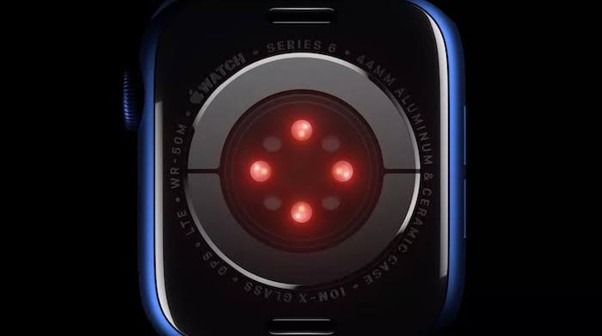
Apple’s new biometric sensors are among wrist wearable gadgets which are seeing sales surge
While the FDA-cleared biometric sensors and its deep ecosystem integration is reportedly helping Apple, billed as the undisputed global market leader in wearable healthcare device market, to cash in on the current demand surge, Huawei, which dominates the Asian, Eastern European, and Middle Eastern markets, is said to be deriving success from its aggressive pricing strategy, besides the long battery lives of its products.
Samsung, a dominant market player in the Android-based wellness demographic, is prioritizing its sleep-coaching features and metabolic health sensors to cater to the current market sentiment, Garmin mainly caters to the elite sports, endurance, and outdoor recreation enthusiasts.
In the premium home fitness and institutional equipment segment, companies such as Peloton and Technogym are among a host of market players which are reaping rich dividends from the current demand surge for wellness equipment. While Peloton is cashing in on its dominance in the premium connected home-fitness hardware market, Technogym benefits from its commanding position in the premium commercial B2B fitness and physical rehabilitation equipment market.
Interestingly, the soccer fever has also triggered surge in sales of a new range of wellness-oriented shoes. Consumers are gravitating toward silhouettes that blend wellness-focused features (like recovery) with fashion-forward styling.
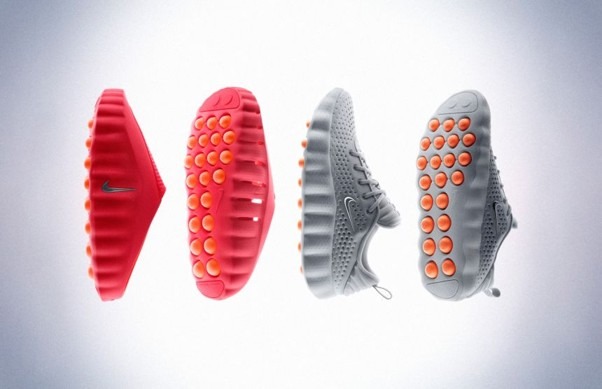
Nike’s ‘Mind’ shoes have become a rage
The ‘Mind’ shoe range from Nike and ‘Sofia’ from Xelero are among the new rage shoes among sports and wellness enthusiasts. While ‘Sofia’ brand shoes are believed to be effective in alleviating or reducing issues like plantar fasciitis, and related pain in the knees or lower back, the new Nike’s brand has captured imaginations around the globe as “neuroscience-based footwear”.
Market analysts, however, view the current spike as a blend of a short-term consumer trend and a long-term economic shift. Historically, consumer enthusiasm driven by “athlete emulation” peaks during the tournament and drops off sharply within a few months after the final match, they point out.
However, unlike sports hype, the easing of geopolitical tensions and trade friction in the Middle East is expected to sustain the current momentum in the medical devices and equipment market as healthcare providers are reportedly altering their permanent capital expenditure budgets.
Sector experts said the massive investments by GCC and Asian private healthcare systems into advanced commercial recovery suites and medical diagnostic equipment are permanent infrastructure upgrades. These facilities are built to operate for decades, not seasons.