

By James Mathew
At last, the worst seems to be over for the medical tourism sector globally. The industry is showing signs a rebound as of late April 2026 with market players collectively expressing a sigh of relief amidst the continuation of the fragile ceasefire in the Middle East conflict well beyond the initial 2-week period.
Industry leaders and reports indicate a shift from acute crisis to cautious anticipation of a rebound, as stakeholders hope holding of the truce to restore stability to key travel routes and source markets.

Signs of rebound for medical tourism? Photo courtesy: Akram Huseyn/Unsplash
Patients who deferred non-urgent trips during the height of the March-April conflict period are reportedly now re-engaging with coordinators, even as hospitals and healthcare centres across regions are seeing a rise in re-bookings from international patients.
Enthused by the recovery signs, destination markets in Southeast Asia, Latin America and Central Europe have kicked off major confidence restoration measures by way of strategic marketing campaigns. While leading destination markets like Thailand, Malaysia, Mexico and Colombia have stepped up their national campaigns to capture the diverted patient flow, Turkish and European healthcare providers have initiated campaigns portraying their regions as ‘safe-haven’ hubs, distancing their clinical centres from the volatile border zones.
Market seeing ‘phased re-activation’
Sector experts said while there is no massive “surge” in bookings just yet, the announcement of ‘unlimited’ ceasefire extension has produced specific, localized indicators of recovery. Market players and real-time data suggest the market is moving from a ‘complete halt’ to a phased reactivation.
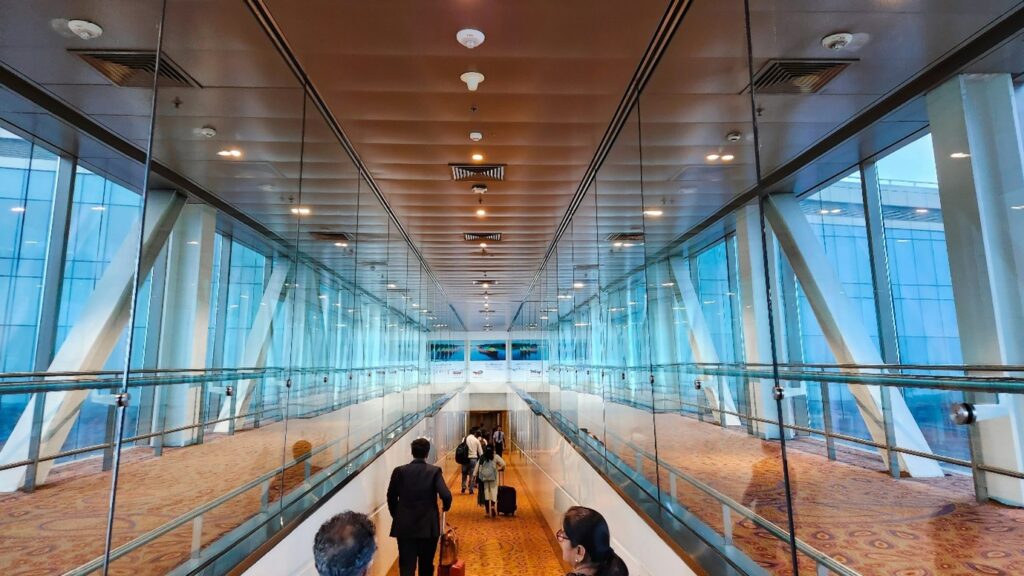
Reopening of aviation corridors help patient flow Photo courtesy: Ish Consul/Unsplash
They said reopening of aviation corridors is acting as the major trigger for the current rebound in the medical tourism sector. Reports suggest gradual pick up in medical-related travel following airlines restarting travel routes that were previously blocked by the conflict.
While leading destination markets in Southeast Asia, Latin America and select European regions, which were seeing increased patient flow even during the March-April period, are reporting a sudden surge in patient influx of late, the worst impacted markets such as India and the Middle East are currently seeing a shift from ‘cancellations’ to ‘engagement’.
Prior to the ceasefire, international patient arrivals in hubs like India were estimated to have plummeted by 50–75 percent. Current indicators, however, suggest that several leading healthcare providers in the country are seeing a higher rate of conversion of enquiries, with international patients evaluating the safest time to travel. Several market players in the country are also reportedly beginning to see a ‘re-engagement’ from source markets like Oman and Saudi Arabia as travel certainty slowly returns.
Hospitals in Thailand and Malaysia, which also typically see a high volume of patients from the Gulf, are also reporting a 20 percent to 30 percent week-on-week increase in bookings from countries like Oman and Saudi Arabia since the ceasefire began.
Market players said the ceasefire allows for the possibility of rescheduling deferred medical trips. The potential for long-term peace following the truce could restore traveller confidence, which is critical for medical and wellness travel, they said.
UAE prepares for market recapturing
The holding off of the ceasefire has also prompted the UAE, which was emerging as a leading medical tourism destination globally, to kick off ground works for recapturing the market. The country’s Minister of Health and Prevention Ahmed Ali Al Sayegh reportedly convened a meeting last week with private healthcare leaders across the UAE to review sector developments and address operational challenges, apparently in a bid to make a strong come back.

Dubai healthcare sector pushes for a comeback Photo courtesy: Piron Guillaume/Unsplash
Sector analysts said the engagement signals efforts to reassure confidence in the country’s healthcare sector as a stable and attractive market, underpinned by strong government support, efficient supply chains and ready for sustained demand for high-quality medical services.
The UAE’s private healthcare sector has also reaffirmed strong confidence in the country’s health system, highlighting stability and long-term investment potential.
Sector experts said taking a cue from the UAE’s initiative, other destination countries in the region are also expected to rally private and state-owned healthcare operators in their respective regions for concerted efforts to woo international patients.
Projected recovery time lines
Though the extended ceasefire has renewed optimism in the medical tourism sector for a potential rebound, market players anticipate only a phased recovery in the market, especially in the worst affected ones, spread over the coming few months.

Surge in patient enquiries Photo courtesy: Irwan/Unsplash
While the initial phase will see a re-engagement and clearing of the “deferred case” backlog, the return to pre-war volume is expected only after the start of the second half of this year. The market recovery process, however, will heavily depend on normalization of flight schedules, cooling off airfares and medical visa processing times, industry insiders said.
The industry is also optimistic about some of the destination markets potentially seeing a surplus due to ‘pent-up’ demand for elective procedures.
Global market outlook seen strong
The short-to-medium-term outlook for the global medical tourism industry is characterized by regional fragmentation and a strategic ‘pivot’ to safer hubs. The overall global market, however, remains resilient and is projected to recover its high growth trajectory soon, sector experts said.
According to market studies, Latin America is projected to see the sharpest acceleration in medical cost trends globally in 2026, jumping from 10.5 percent to 11.9 percent, reflecting increased demand and investment in regional medical infrastructure. Its proximity to the North American market is touted as the major trigger for the accelerated growth.
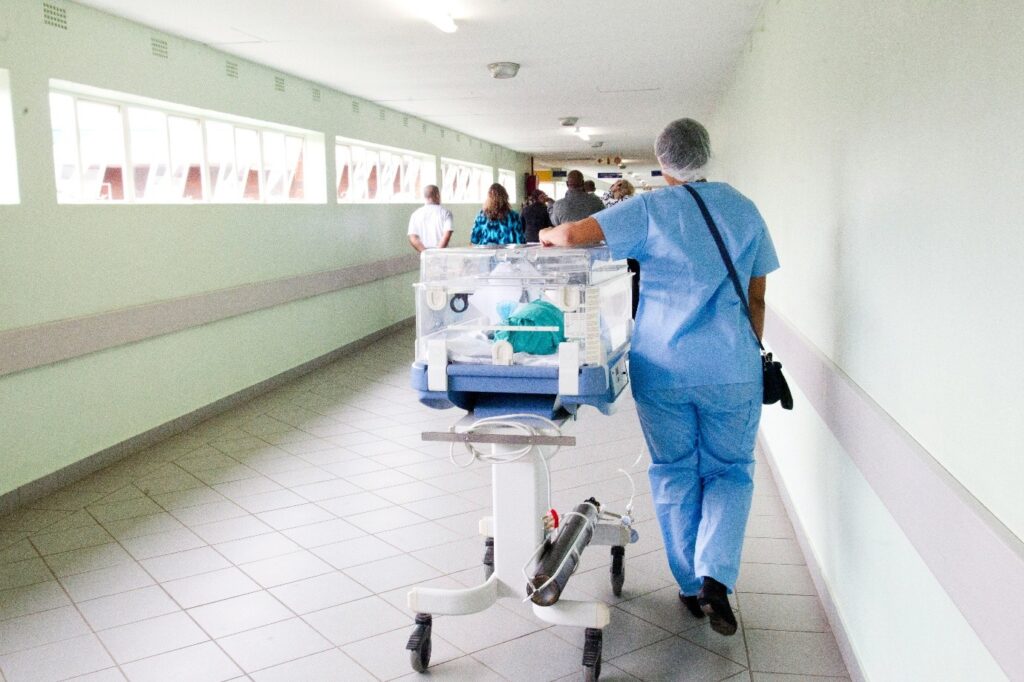
Latin America projected to see high growth Photo courtesy: Hush Naidoo/Unsplash
Within Latin America, countries such as Mexico and Colombia are identified as major emerging competitors in the global market.
Meanwhile, leading destination markets in Southeast Asia such as Thailand and Malaysia are capitalising on the “safe haven’ momentum to capture the international patient pool, pivoted away from traditional West Asian hubs during the March-April peak. Thailand is currently reportedly tracking toward its goal of 3.5 million medical tourists for 2026, bolstered by the shift in patient preferences.
Malaysia, another leading destination market in the region, is also reporting a “significant uptick” in inquiries for high-acuity treatments like cardiology and oncology from international patients who previously sought care in the Middle East.
The reopening of key air corridors has also particularly benefited Singapore and Vietnam, making travel more predictable and cost-effective for international patients traveling from Europe and Africa.