

By James Mathew
It’s not just K-Dramas and K-Beauty taking the world by storm. Ancient healing systems—including South Korea’s Hanbang, India’s Ayurveda, Traditional Chinese Medicine (TCM), and Mesoamerican Curanderismo—are sparking a global wellness frenzy thanks to a massive wave of digital innovation and modern repackaging.
Market studies and industry experts confirm a massive shift: driven by a booming global wellness economy, these ancient systems are shedding their outdated images to emerge as seamless, modern lifestyle brands.
A massive consumer push for holistic health is further accelerating the make-over.
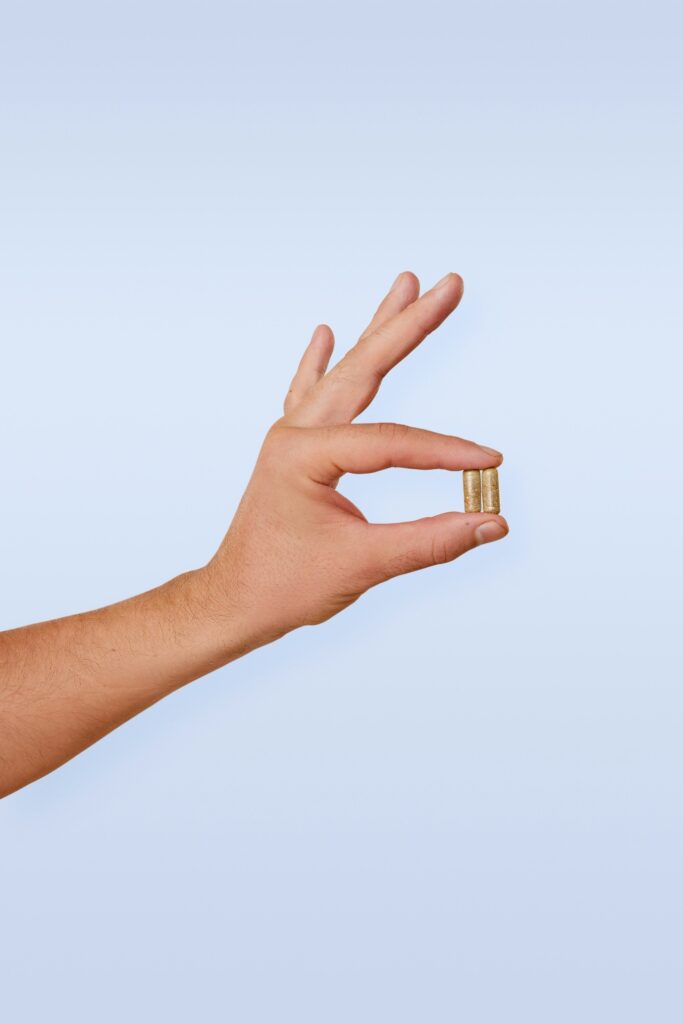
Ancient medicines stage massive resurgence with new twists Photo courtesy: Shruti Mishra/Unsplash
“To appeal to busy, modern consumers, the ancient treatment industry has undergone a radical innovation and repackaging phase,” said Dr Vikram, an industry expert and an Ayurveda practitioner in the South Indian state of Kerala.
“It deploys advanced biotechnology to turn ancient multi-herb formulas into odourless, instantly dissolving granules packaged in sleek, single-dose stick packs that consumers can slide into a pocket or purse,” he added.
The trend is established by several recent market studies. According to Cognitive Market Research and Consulting, rather than diluting their historical roots, traditional systems are using contemporary delivery formats, digital technology, and rigorous scientific research to achieve unprecedented global appeal.
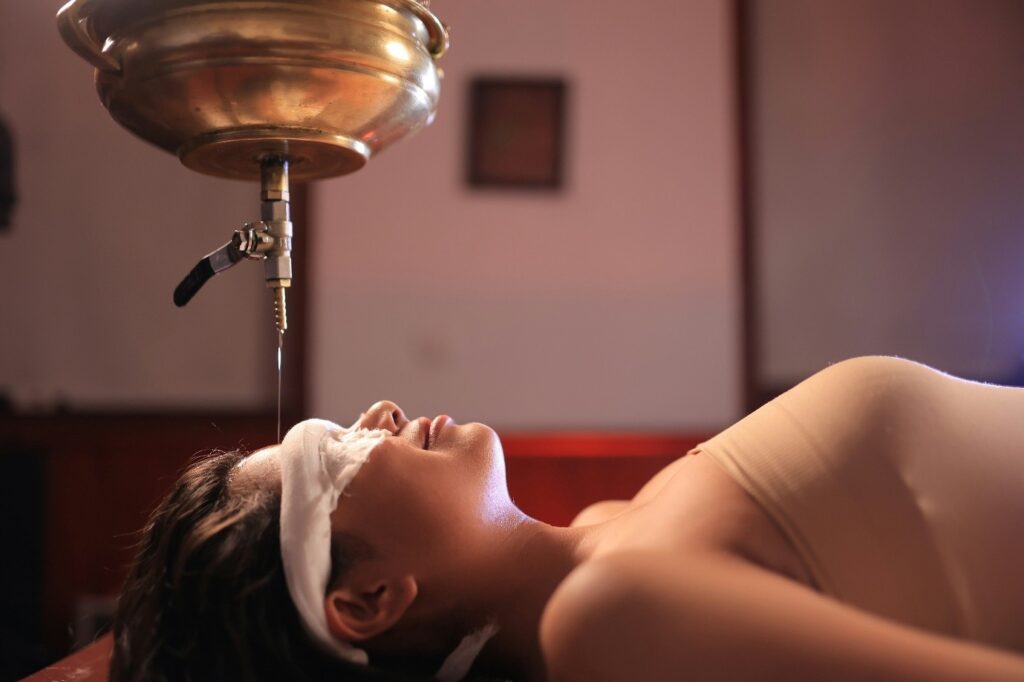
The trend is gaining traction across age groups Photo courtesy: Charanjeet Dhiman/Unsplash
Industry players said the trend is gaining major traction across various age groups as healthy aging is no longer just a concern for older adults.
Up to 60 percent of consumers across markets report that longevity is a top or very important priority, they said.
There is clear evidence in 2026 that shows that traditional treatment systems have crossed over from clinical alternative medicine into the realms of global pop culture, fashion, luxury lifestyle, and social media trends.
According to Global Wellness Institute, ancient systems are no longer seen as outdated or intimidating, and are being actively marketed as premium, trendy aesthetic choices across all age groups globally.
Going global
While South Korea has successfully blended its ancient medical system, Hanbang, with its global cultural powerhouses K-Beauty and K-Pop culture, Kampo, Japan’s adaptation of TCM, is reportedly undergoing a massive, tech-driven transformation to make it deeply institutional both at home and internationally.
Many classic formulaic products in Ayurveda are now condensed into effervescent tablets, chewable gummies, and powder single-serve sachets, as accelerated growth and expansion of herbal medicines outside India is opening doors for new opportunities in product design and dosage forms.
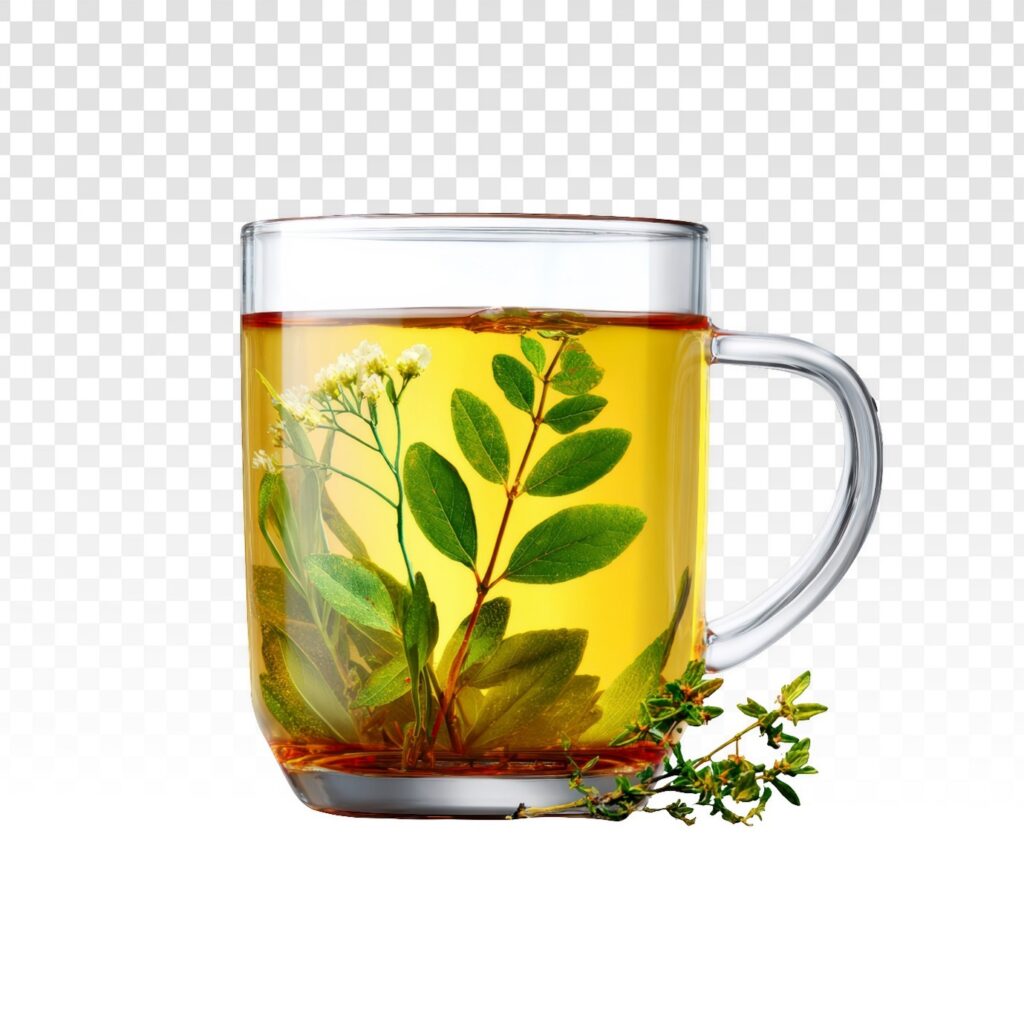
Trendy herbal teas are in vogue now Photo courtesy: Muhammad Abdullah/Magnific
The Traditional Chinese Medicine (TCM) has also standardized complex multi-herb formulas into easy-to-swallow capsules, immediate-dissolve granules, and ready-made functional tea beverages.
Not to be left behind, Mesoamerican Curanderismo – the indigenous herbal-based products and shamanic rituals across many parts of Latin America – are being pushed as luxury botanical clean-beauty lines, clinical adaptogenic tinctures and boutique wellness retreat modules, industry players said.
Sector experts said the remodelling and repackaging exercise in the ancient medicine sector is done through a scientific validation and integration process to gain modern consumers’ trust.
According to Dr Mandeep Singh Basu, Director, Dr Basu Eye Care Centre in India, traditional networks focus on evidence-based legitimacy, proving ancient logic through modern laboratory standards.
Industry insiders said tech startups and modern pharmacies are also playing a big role in the industry make-over by launching digital apps and algorithm-based tracking systems.
Ancient recipes turn into trendy consumer products
The key focus areas of the current innovation phase in the ancient medicine sector include preventing chronic disease, maintaining cognitive function, preserving energy levels, and supporting long-term independence.
Ancient remedies traditionally required hours of manual brewing, bitter concoctions, or complex raw herb preparation. Modern technology is helping them to digitize the process, enabling companies to reformat these recipes into trendy, ready-to-consume consumer products, according to a study by Reed Intelligence.
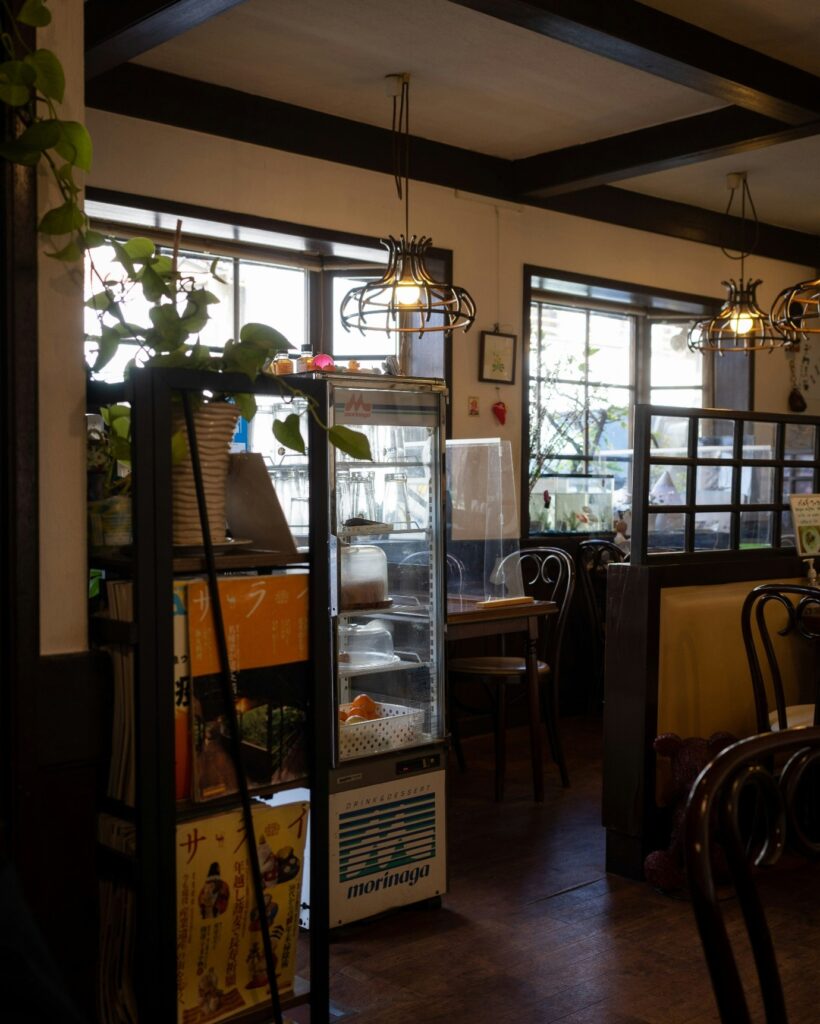
Modern cafes serve repackaged traditional medicines Photo courtesy: Kieran/Unsplash
For instance, In Tokyo, Kampo has reportedly been made highly fashionable through aesthetic “Kampo Cafes” and lifestyle boutiques. They serve beautifully presented, chef-curated medicinal soups (Yakuzen) and craft herbal teas targeted at specific modern ailments like digital eye strain, poor circulation, and bloating.
Similarly, South Korea has successfully blended ‘K-Wellness’ and Biotech Hanbang, with global luxury skincare giants like Sulwhasoo and The History of Whoo making the country’s ancient treatment system globally famous.
Large Language Models (LLMs) and custom AI engines (like China’s TCMChat) assist practitioners with automated symptom differentiation, diagnostic pattern analysis, and precision prescription matching, according to research on modernization of TCM.
The industry’s high-tech evolution is also going personal. According to the Wellbeing Science Review, new apps now sync smartwatch data to monitor one’s biological rhythms. The tech then serves up real-time Yoga sequences for stress or Ayurvedic diet tweaks based on the time of day.
Ancient healing is getting a social media facelift as well. Wellness brands are flooding TikTok and Instagram to turn centuries-old practices—like Chinese skin-scraping to fight inflammation—into the latest aspirational lifestyle trends.
Market analysts say social media is serving up traditional wellness to Gen Z as aesthetic “self-care routines” and “longevity hacks”, transforming centuries-old practices into multi-million-dollar global beauty staples overnight.
Projections beyond 2026
Market research and industry experts predict an exponential growth trajectory for the ancient treatment systems over the next decade, aided by deep integration into mainstream medicine.
Reed Intelligence has forecasted the global Traditional Chinese Medicine market to scale steadily from $249 billion in 2026 to over $434 billion by 2034, while a Grand View Research study has projected the global Ayurveda market to skyrocket from $24.3 billion in 2026 to $85.8 billion by 2033.
To capture this multi-billion-dollar future, market players are unleashing a two-pronged strategy. Brands are backing their products with rigorous, multi-country clinical trials, while simultaneously flooding feeds with aggressive social media campaigns.
Active government backing is also fast-tracking the commercial scale of the sector.
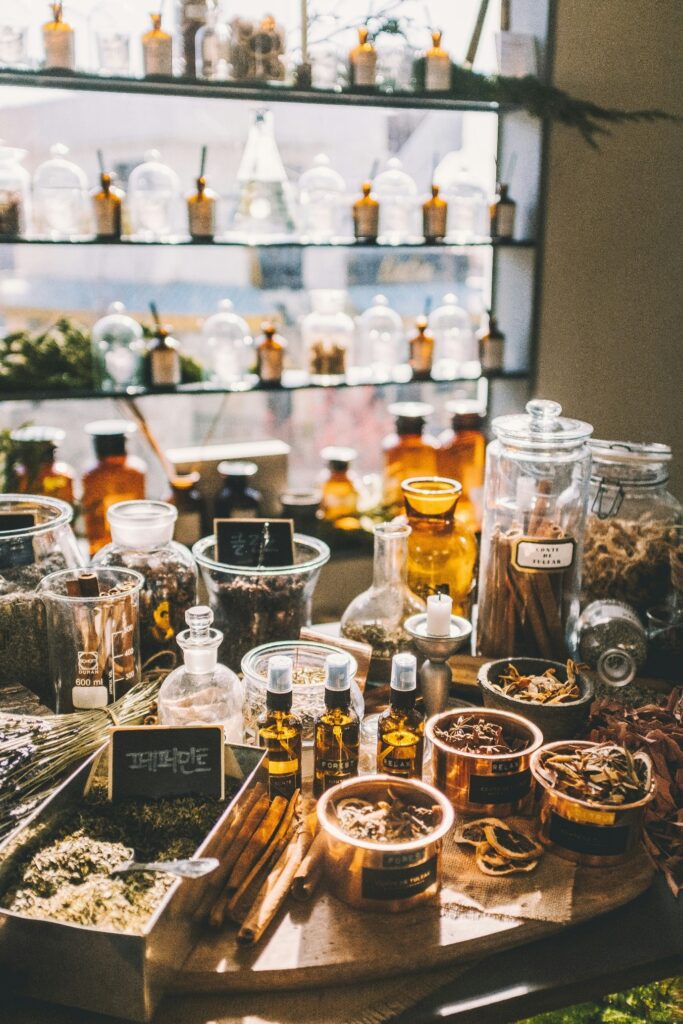
Luxury resorts ride the ancient treatment comeback wave Photo courtesy: Bundo Kim/Unsplash
Sector experts said the new phase of global expansion of traditional wellness is already underway. Ancient systems are migrating out of localized apothecaries into ultra-luxury, immersive resorts spanning from Asia to the Americas.
By fusing ancient modalities with high-end hospitality, bio-hacking facilities, and premium spa environments, these destinations are capturing the lucrative medical tourism market, they said.
The massive expansion of the industry is also causing a ripple effect of entrepreneurial opportunities, syncing the application of traditional knowledge with modern business strategies.
Industry players note that heritage therapies—including Thai Traditional Medicine, Indonesian Jamu, and Malaysian botanicals—are moving from local kitchens to mainstream retail. The sector is scaling rapidly, taking design and retail cues from Japan’s popular ‘Kampo’ cafes and China’s upscale wellness boutiques.
Similarly, niche and luxury ‘Ayurveda centres’ are mushrooming around the world, as the ancient Indian system is moving from the margins of global health conversations towards the mainstream.
Latin America is also making an aggressive bid to leverage biotech validation, premium brand aesthetics, and modern formatting for its indigenous herbal-based products to capture global health market.
Sector experts said the industry’s push is winning official backing. Across regions, regulators are harmonizing standards to reframe traditional ingredients as certified “health supplements” rather than unverified folk remedies.