By James Mathew
Solo is fast becoming the biggest buzzword in the travel industry. Fuelled by a collective shift toward self-care and independence, solo trips for leisure and wellness are hitting record-breaking highs in 2026, industry data and market studies reveal.
The segment has reportedly surged past a massive $627 billion market size so far in 2026, as travellers increasingly trade group compromises for complete itinerary freedom.
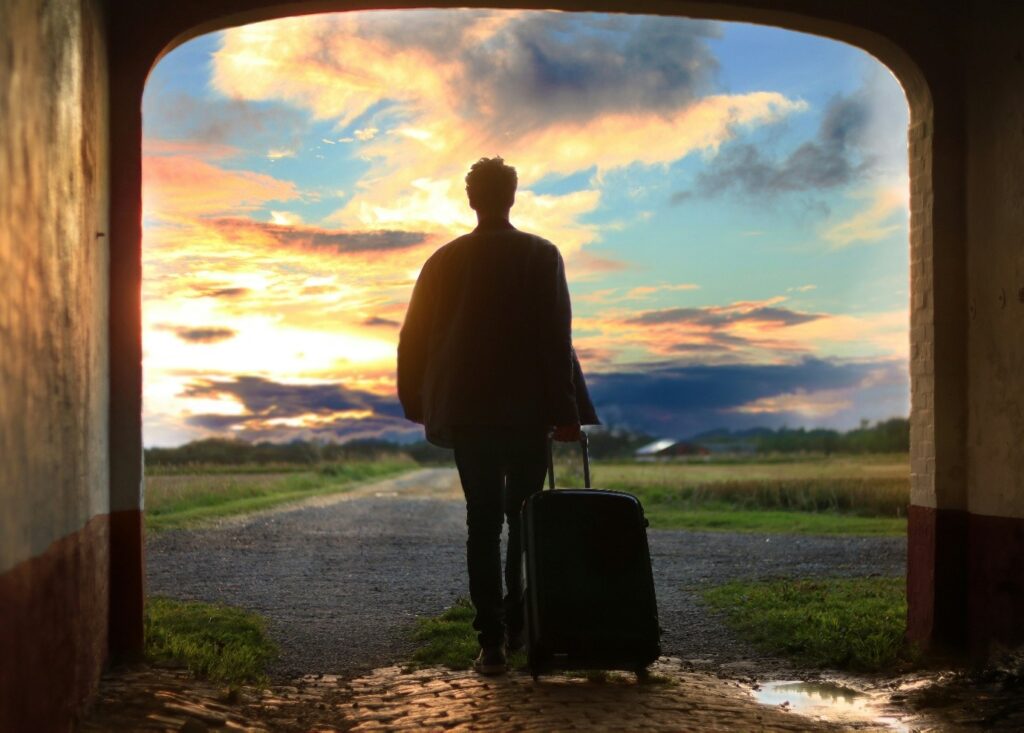
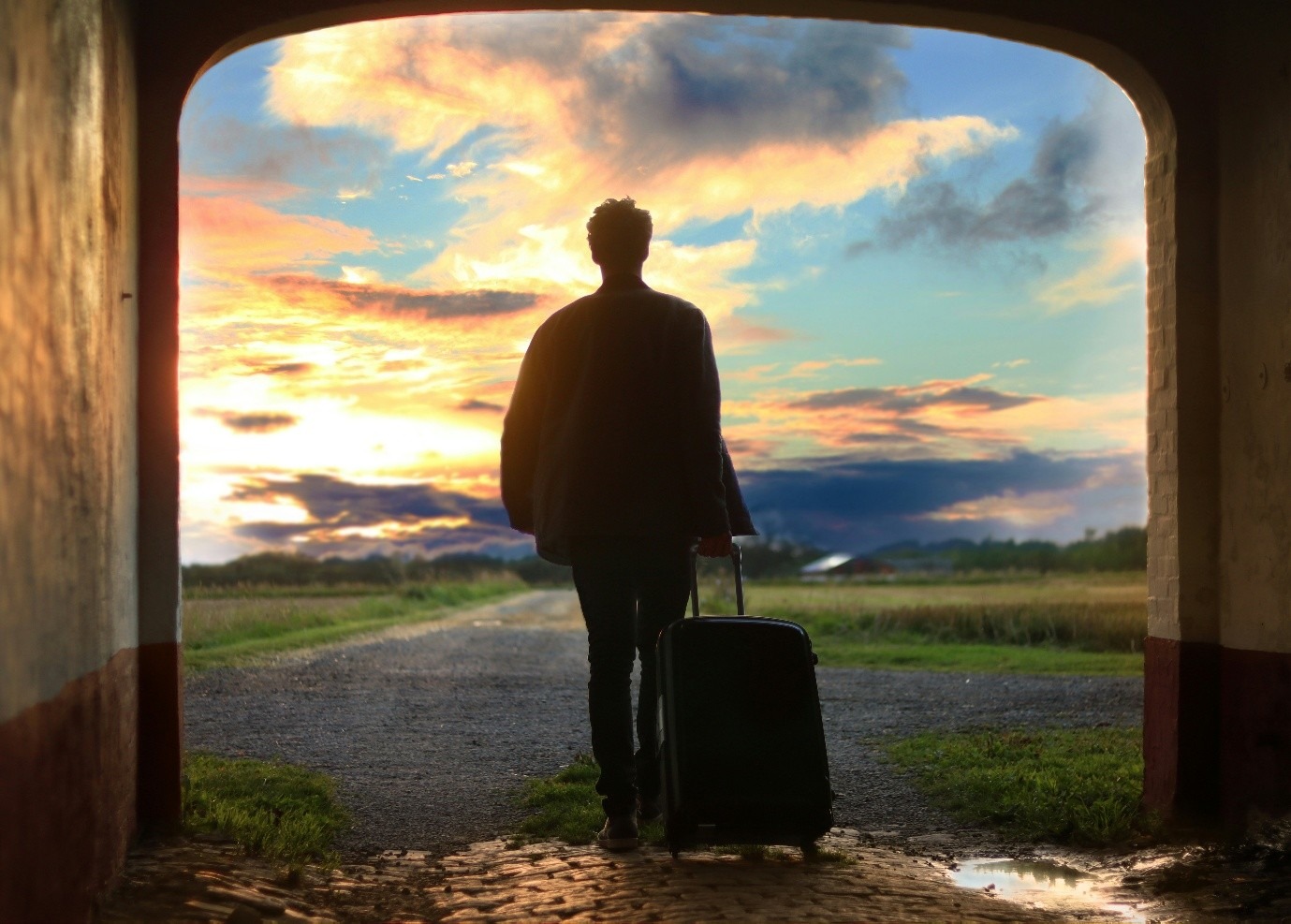
Solo travel gains big traction in 2026 Photo courtesy: Mantas Hesthaven/Unsplash
The trend is projected to see an exponential boom going forward, with industry research firm Custom Market Insights predicting the global solo travel market to skyrocket from an estimated $482 billion in 2024 to a staggering $1,508 billion by 2033.
In its summer travel trend analysis, Google reported in April this year that online searches involving “solo travel” hit an all-time high this year. Interestingly, the report also mentioned that queries for “women solo travel” reached a 15-year peak in 2026.
Hilton’s 2026 trends report also found that 26 percent of travellers planned to take a trip alone this year, and that nearly half said they planned to add solo days to the front or back of a family trip.
A recent survey conducted by Mastercard’s Travel Trendline, in partnership with The Harris Poll, involving more than 15,000 consumers across 11 countries found that 39 percent of international travellers had already taken a trip alone. Besides, the survey also showed that 7 in 10 international leisure travellers were interested in solo experiences built to connect them with like-minded people.
An apparent contradiction in the survey findings highlights a vital nuance in modern travel: privacy and isolation are two entirely different things. While a modern solo traveller wants absolute control over where to go and when to eat, they are often perfectly happy to share a table at dinner.
“Solo travel is surging not because more people are single or lonely, but because they prefer convenience over company. Travellers are tired of waiting for others to match their availability, interest, and budget,” said Shihab Makaniyil, Dubai-based entrepreneur and founder of healthcare startup ShopDoc, who is also set to launch a new travel and medical tourism venture.
“That coordination problem is the one solo travel solves,” he added.
Solo travel for self-discovery, wellness
Sector experts said the surge in solo travel, particularly among Gen Z and Millennials, is closely linked to a growing interest in self-discovery and wellness.
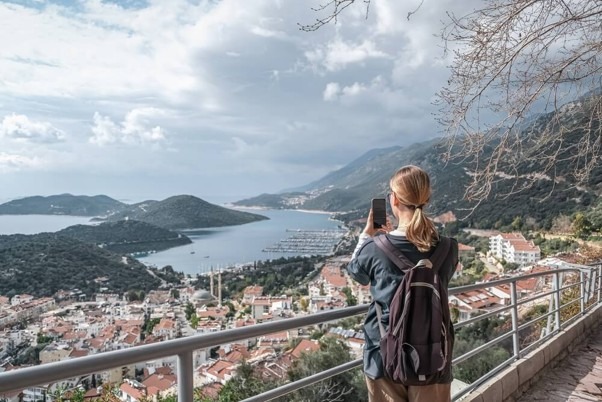
Google reports a 15-year peak in women solo travel in 2026
Massive advances in travel-related technology and infrastructure are also helping this trend into a visible movement now, they said.
Technological advances in smartphones, offline maps, translation apps, reviews, and frictionless booking have helped stripping much of the fear and fumbling out of arriving alone somewhere unfamiliar for solo travellers.
Industry players are also waking up to the vast business potential of this trend in 2026. A vibrant new ecosystem of hostels, intimate tours, and social communities has emerged, giving solo travellers curated company on demand and privacy when preferred.
To sweeten the deal, premium lodges, cruise lines, and boutique hotels are abandoning the notorious “single supplement” fee entirely to win over solo explorers.
Along with dedicated solo travel insurance, the logistical headaches of hitting the road alone have effectively evaporated—giving the solo travel boom a massive competitive edge, industry executives said.
Social media reshaping solo travel
Industry experts said while solo travel is not exactly a new trend, social media has reshaped how it is perceived and has played a big role in helping people feel more confident trying it themselves.
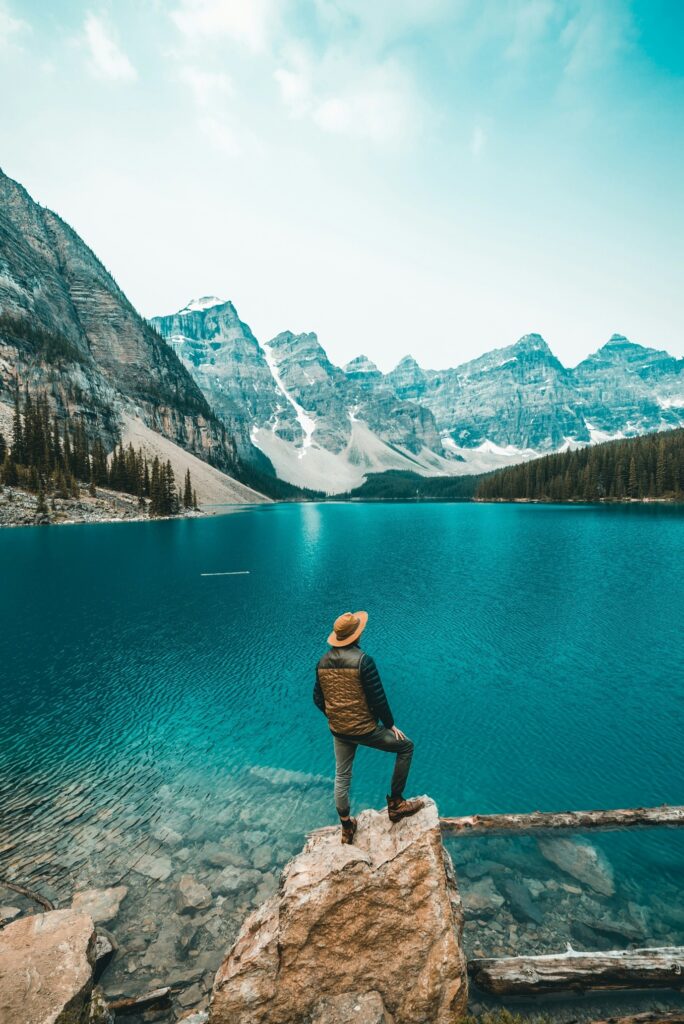
Self-discovery a major purpose of solo travel Photo courtesy: Redd Francisco/Unsplash
Platforms such as TikTok are shining a light on how independent travel can look, and exposing users to new exciting destinations and experiences, making solo travel feel more accessible than ever, they said.
“Solo travel is more than just a fad. More and more people every year are choosing to travel alone, whether to have ultimate freedom over their itinerary, to push themselves into new experiences or because their family and friends can’t travel as flexibly as they can,” Go2Africa said in a recent report.
Industry executives said the massive surge in solo tourism is powered by several overlapping shifts in consumer behaviour and industry practices.
“The expansion is heavily supported by demographics outside the traditional young backpacker bracket,” noted a Manila-based industry analyst. For instance, women are estimated to make up between 65 percent and 84 percent of solo travellers globally, driven by a notable rise in women over 50 prioritizing self-care.
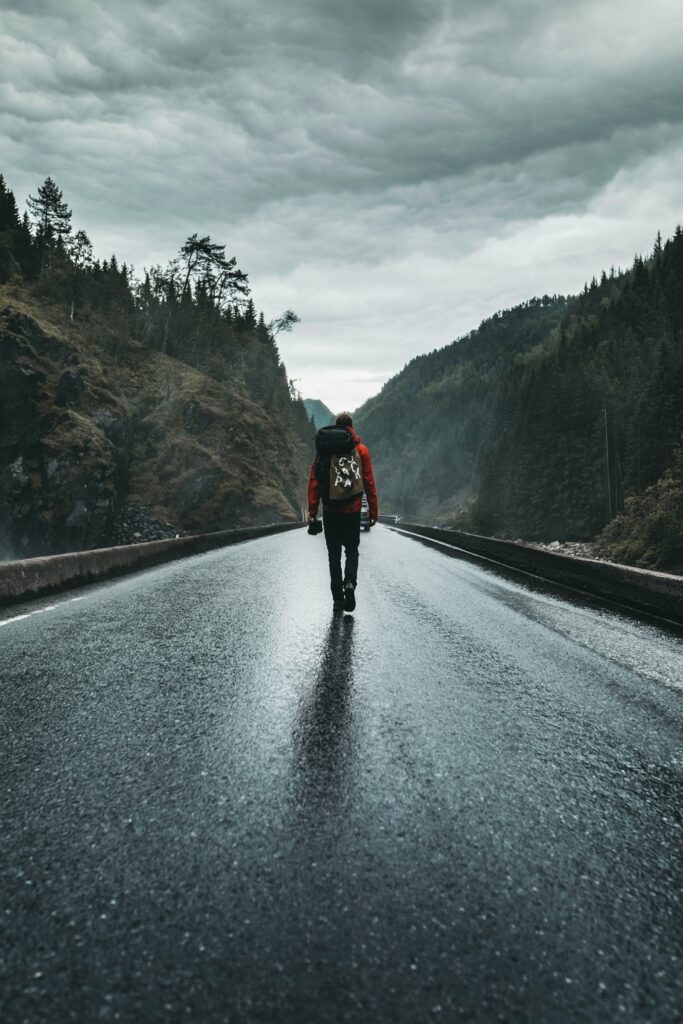
Rise in single households also leads to solo travel Photo courtesy: Lukas Zischke/Unsplash
Sociologically, the rise in single-person households globally means that solo travel has naturally become the holiday expression of daily solo living, the analyst said.
As for wellbeing-seeking travellers, wellness travel in 2026 has transitioned away from high-tech data tracking and high-performance biohacking toward foundational emotional healing, mindfulness, and slow travel.
According to Seniworld, a leading Vietnam-based tour operator that specializes in creating tailor-made, personalized journeys across Southeast Asia, traveling alone provides the absolute quiet required to recover from digital burnout and everyday stressors.
Sector experts said of late industry players have come up with several initiatives to promote the solo travel trend as there is serious money to be made by catering to single travellers.
In the US alone, the solo travel market was valued at $95 billion in 2024 and is expected to reach over $190 billion by 2030, according to data published by Research and Markets.
According to American Express Travel, this trend is set to expand further, with 69 percent of travellers planning solo trips, supporting continued expansion of the US solo travel market.
Top destinations, major source markets
The 2026 safety and preference data clusters around a consistent set of cities and regions.

Iceland among top cities for solo travel Photo courtesy: Jonathan Gallegos/Unsplash
Iceland, Portugal, Japan, Ireland, and Denmark repeatedly top safety rankings for solo travellers.
According to Google Travel Trends April 2026, the cities that appear most frequently in “best for solo” lists share the same characteristics: walkable, navigable on public transport, rich in free or low-cost cultural sites, and with a street food or cafe culture that makes eating alone unremarkable rather than conspicuous.
The United States is the undisputed top country of origin for solo travellers in 2026, accounting for over 50 percent of the global market share, according to Grand View Research.
The other traditional powerhouse source markets include Australia, the United Kingdom, Canada, and France. France commands the highest market share within Europe’s massive 37.2 percent regional block.
However, a major shift in the global pecking order is actively projected beyond 2026, as the Asia-Pacific (APAC) region experiences a structural boom.
Looking beyond 2026, market data from Grand View Research and local airline consortiums shows that the traditional dominance of Western nations will face an aggressive challenge from rising Asian economies.
The APAC solo travel market, estimated to be expanding at a blistering over 16 percent CAGR (compound annual growth rate) by Custom Market Insights, is predicted to fundamentally reorder the primary source markets over the next decade.