
By James Mathew
It’s a perfect storm. Travel, tourism, and hospitality players are staring at a dismal holiday quarter as skyrocketing airfares and renewed concerns on flight security following the recent Flydubai hijacking attempt derail travellers’ plans for the upcoming festival and year-end travel season.
Sector experts project that this year’s peak quarter will be one of the most expensive and logistically complex holiday seasons in a decade, as steep rises in airfares and flying safety concerns severely impact travellers and the industry alike.
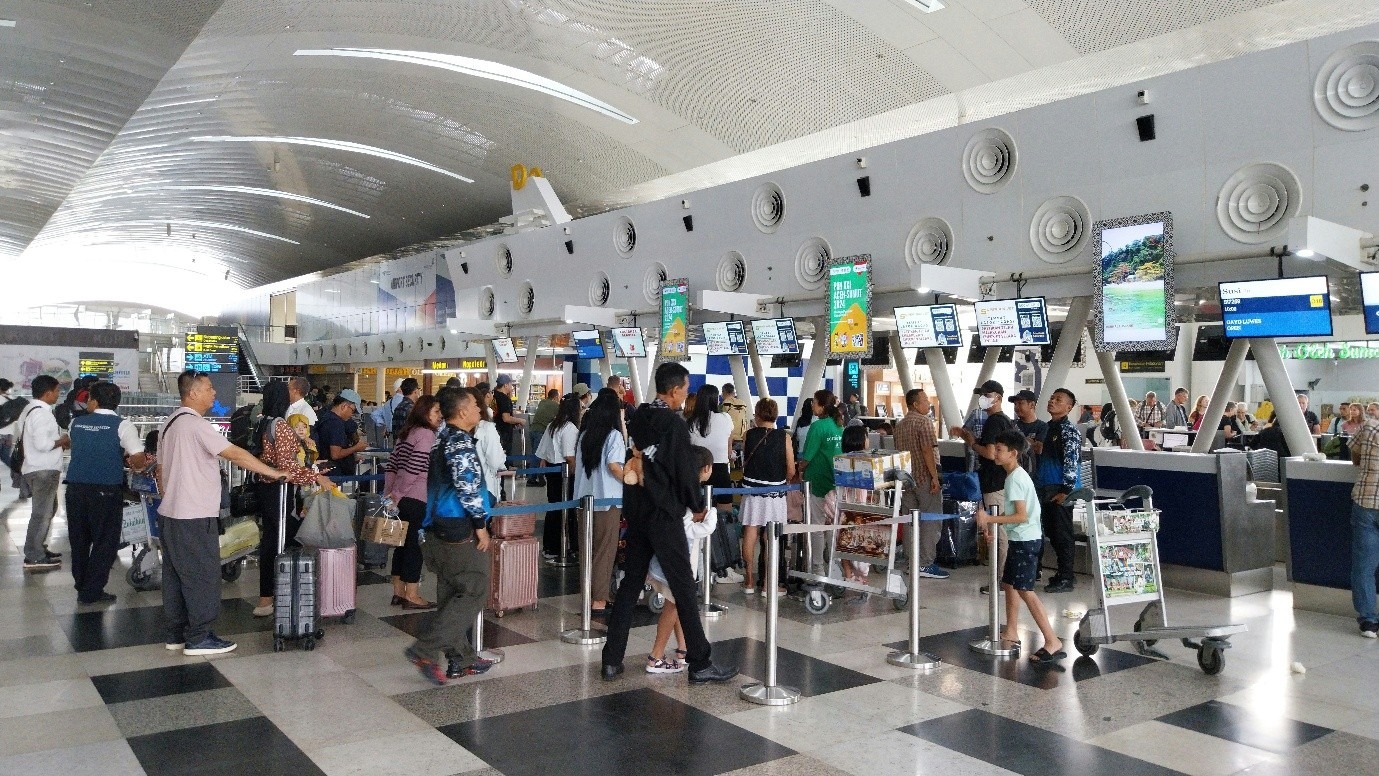
Soaring airfares and security concerns shifting destination preferences Photo courtesy: Edwin Petrus/Unsplash
While soaring costs are forcing budget adjustments, security anxieties are shifting geographical preferences rather than stopping travel entirely, they said.
The final quarter of the year is the absolute peak season for global travel and tourism. Driven by a whirlwind of year-end holidays, the October–December calendar plays host to a massive string of celebrations: Thanksgiving in the US and Canada, Diwali in India, Día de los Muertos in Latin America, Loy Krathong in Thailand, and the global rush of Christmas.
According to the just released 2026 Holiday Travel Index by Hopper, a mobile-first travel platform and technology company, this year’s season is already on track to be the most expensive in 10 years, with rising jet fuel prices driving up Thanksgiving and Christmas airfares.
Acknowledging the strong headwinds, the UN Tourism agency in its latest report mid last month has slashed its 2026 global international travel growth forecast nearly in half – down to 1–2 percent from its original 3–4 percent projection.
Domestic airfares see 15-68% jump
The Hopper report found that the average US domestic round-trip ticket for Thanksgiving is $402, up 31 percent from last year. For the Christmas season, round-trip US domestic airfares average $452, up 23 percent from last year.
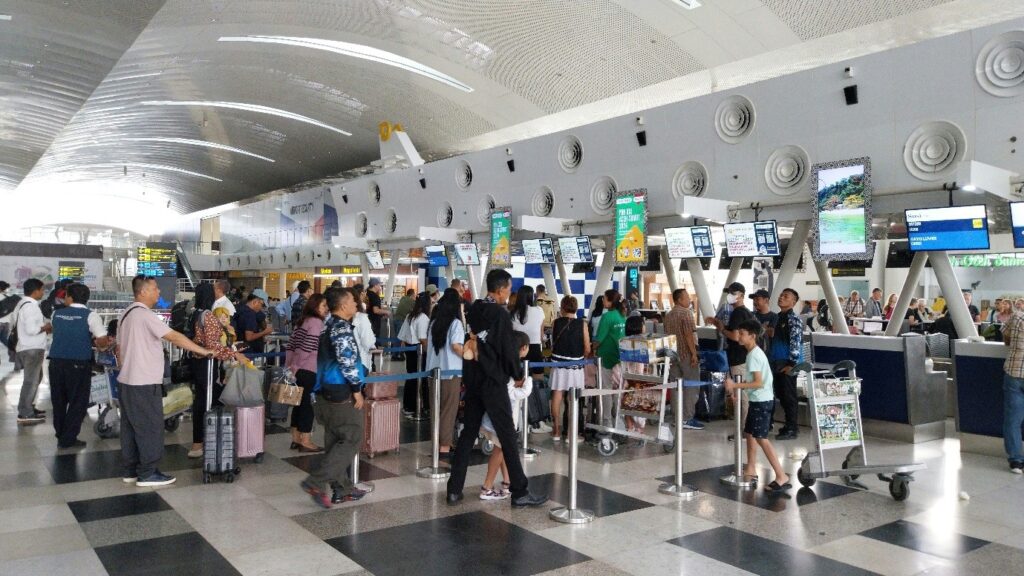
Big hikes in domestic airfares in several countries Photo courtesy: Pexels
Domestic airfares in the UK and Europe are also surging, with peak December dates up by 15 percent to 23 percent, according to travel data trackers. In contrast, international fares vary widely by region, with select routes actually seeing significant price drops.
Elsewhere, in major aviation markets like India, airfares are seeing massive hikes currently, going up to 68 percent year-on-year on major domestic routes.
The spike in airfares is already showing up its impact on the travel front. According to monthly data from the International Air Transport Association (IATA), air travel demand in August this year dipped 0.8 percent year-over-year.
A confluence of macroeconomic factors, heavily intensified by the Iran war, has triggered massive fare hikes. Airlines are forced to pass on soaring operational costs, primarily driven by jet fuel spiking to multi-year highs as the Middle East conflict rages on.
IATA says that the fall season could see further drops in demand due to similar factors as those in August.
“The coming months will reveal whether travellers, whose purchasing power has been reduced by higher energy prices, are adjusting their travel budgets, and might be discouraged from travelling due to the prevailing geopolitical instability,” said Owens Thomsen, Senior Vice President (SVP) of Sustainability and Chief Economist at IATA.
Industry players are said to be quickly drawing up a dual strategy – one assuaging travellers’ safety and cost concerns with suggestions on alternate plans, and second – and most important – working on cost cutting plans to mitigate the downside.
Affordability, reliability main concerns
International travellers are increasingly worried about the affordability and reliability of air travel due to rising jet fuel prices and reduced airline routes, according to a recent Global Rescue SNAP Survey.
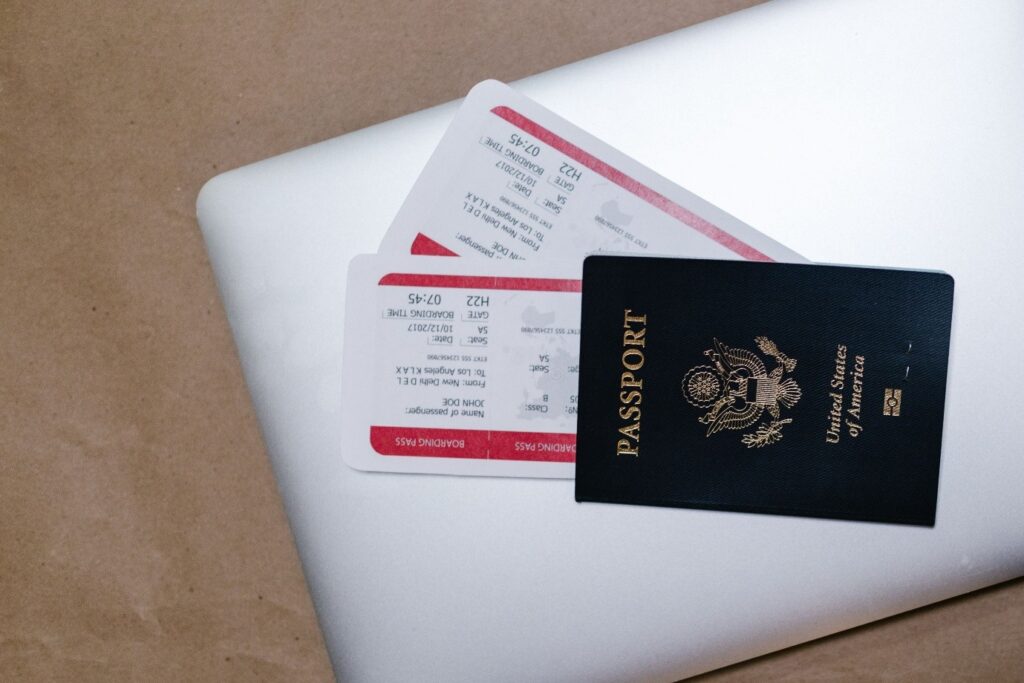
Affordability, reliability concerns hit travel industry this season Photo courtesy: Natali Quijano/Unsplash
The survey found that while destination safety remains the top priority for most travellers, a significant number of them – 27 percent – are caught in a balancing act, weighing both safety and costs as critical concerns in an increasingly complex travel landscape.
International travellers are facing a convergence of challenges that extends well beyond traditional safety concerns, according to Dan Richards, CEO of The Global Rescue Companies. He said the decision-making process for travel has become more complex, with travellers evaluating multiple factors simultaneously.
“Instead, it is ushering in an era of ‘hyper-calculative’ travel, where flyers radically change how, where, and when they fly to balance their safety concerns against high costs,” said the Global Rescue Traveler Sentiment Survey.
The European Travel Commission (ETC) also highlighted a profound shift in traveller psychology and what lies ahead.

Increasing preference for nearby holiday spots this season Photo courtesy: Federico Giampieri/Unsplash
The newly emerging situation is also triggering a new trend – “Near-Cationing”! Long-haul international travel plans have dropped globally as they increasingly opting for domestic vacations, according to new research from Allianz Partners Global Travel Confidence Index.
The study showed 42 percent of global citizens planning to holiday within their own country. Travelers from North America and Asia-Pacific are increasingly choosing domestic travelor closer, politically stable regional hubs, it said.
Aviation security tightening to cause massive airport delays
New moves to tighten aviation security following the Flydubai cockpit incident on September 30 are further dampening passenger morale, with many apprehensive about severe airport delays.
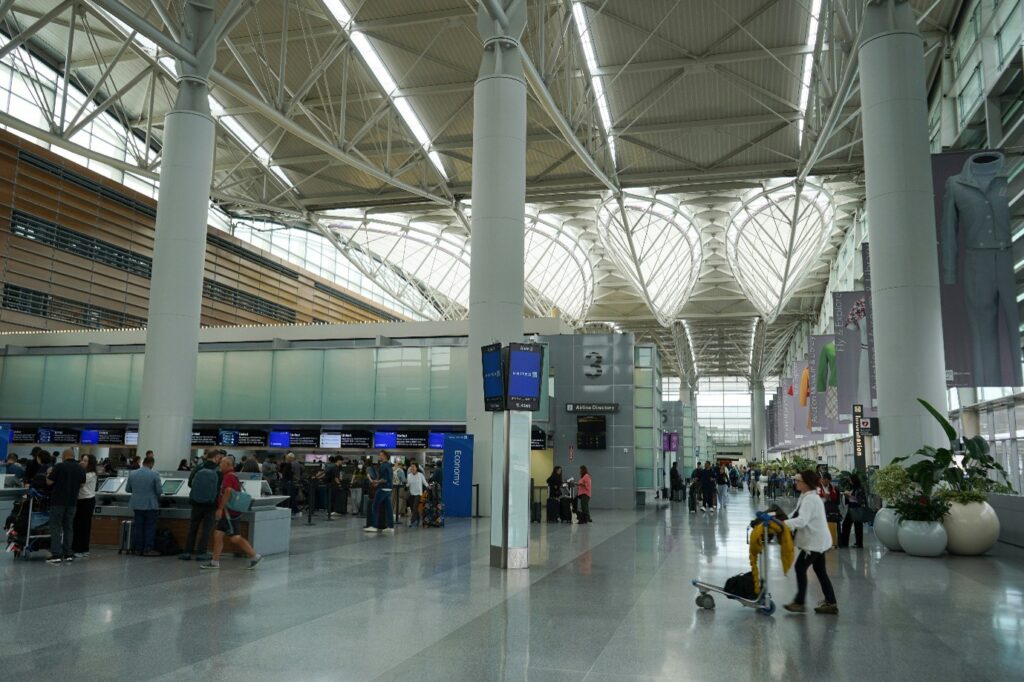
Long delays at airports feared due to tightening of aviation security Photo courtesy: Yosuke Ota/Unsplash
The Flydubai Flight 1073 from Dubai to Tel Aviv on September 30, 2026 narrowly averted tragedy when its co-pilot allegedly stabbed the captain with an emergency axe in an apparent attempt to crash the plane.
The incident has rewritten global aviation focus from external screening to the “insider threat” of radicalized or mentally unstable crew.
Intelligence agencies worldwide are reportedly reviewing aviation Standard Operating Procedures (SOPs). As a result, sector experts caution that travellers can expect more rigorous screening, stricter cockpit-access protocols, and longer wait times at international terminals during the peak holiday rush.
Industry players said they are observing a ‘Eastbound’ shift in international holiday travel following the Flydubai incident.
Year-end holidaymakers are heavily shifting toward East Asian destinations such as Vietnam, Thailand where currency value and airfares are more favourable and regional anxieties are low, they said.
Major international carriers—including Air Canada, United, Virgin Atlantic, and Cathay Pacific—have officially pushed back or suspended their West Asia flight resumptions into 2027, according to UK daily Telegraph.
Besides the destination shift, operators have a word of advice to travellers – book your holiday trips much earlier than in previous years to lock in better rates to navigate higher airfares this holiday season.