

By James Mathew
It’s a mixed bag for wellness and medical tourism players in Asia. The ongoing West Asia war has come as an unexpected boon for market players in several destination countries in Southeast and Far East Asia, while it has significantly impacted tourist flows to some of the sought-after destination markets in South Asia.
Vietnam, Malaysia, Indonesia, Japan and Thailand are seeing a major bump up in wellness and medical tourist inflows of late thanks to the shift in travellers’ preference and availability of alternate air routes in the wake of the on-going West Asia conflict.

Bump-up in wellness traveller arrivals in Vietnam Photo courtesy: Wirestock/Freepik
The crisis-induced airspace closures and the resultant flight rerouting, coupled with a sharp decline in medical and leisure travellers from the Middle East – a major source market for countries such as India and other destination countries in South Asia – and also through transit hubs in Dubai, Abu Dhabi and Doha, have caused significant business losses for both wellness and medical tourism players in these markets in the last 3-4 weeks.
Sector experts said with the US-Israel-Iran conflict showing no signs of any de-escalation yet, the contrasting trend of boon and bust in wellness destination markets in Asia are expected to play out more vigorously for some time to come.
The on-going Middle East conflict is leading to continued international flight disruptions – most of the Western airlines have suspended their flight to Dubai, Abu Dhabi and several other destinations in the Gulf region till early April as of now – leading to wide-spread booking cancellations, re-routed services and uncertainty in travel schedules.
Top gaining wellness destinations
Proving the market mantra of ‘every crisis is also a major opportunity’ true once more, several Asian countries are fast emerging as “safe haven” wellness and leisure destinations, attracting travellers from around the world who are re-routing away from traditional Gulf hubs and Red Sea routes.

Japan is gaining big from Middle East crisis Photo courtesy: Jared Rice/Unsplash
While Vietnam, Malaysia, Indonesia, Japan and Thailand are among the major beneficiaries of the emerging shift in travellers’ preference, countries like Singapore are also listed as popular wellness destinations which are making secondary gains in the wake of the on-going war in the Middle East.
Sector experts and quick market estimates show Vietnam emerging as the biggest beneficiary of the current Middle East crisis, clocking the fastest-growth in the tourist and wellness market in the region. The country is increasingly getting popular for budget-conscious travellers seeking affordable yoga retreats and traditional Vietnamese medicine in hubs like Hoi An. Data from booking platforms like Ixigo reveals a sharp year-on-year (YoY) increase in flight bookings to the country during the current month.
Malaysia is another popular destination market in Southeast Asia which is reaping a ‘buffer’ from the Middle East conflict. Quick to rise to the occasion, Malaysia has reportedly unleashed a marketing campaign, highlighting its connectivity through Kuala Lumpur International Airport as a safe and reliable transit point for international and regional wellness seekers. Its government is also promoting specialized sectors, including Ayurvedic-style retreats, mindfulness programmes, and nature immersion, specifically aimed at travellers rerouting from Red Sea or Levant destinations.
Indonesia is also listed as a major beneficiary of the on-going Middle East crisis, with Bali reportedly registering a 10 percent rise in foreign visitor arrivals this month (March). Market insiders said the country is quick to build on its popularity as a global “wellness mecca”, with sought-after locations such as Ubud is seeing a shift in traffic from European and Asian markets.
Japan is another market which is gaining popularity as one of the top “safe destinations” during the conflict. The country’s wellness sector is reportedly seeing significant draw in inbound tourism receipts, with ‘forest bathing’ in regions like Minakami gaining renewed customer focus.
The Middle East crisis also helping the over $42 billion wellness market in Thailand to remain highly resilient, playing on its reputation for high-quality, affordable medical-wellness services in Phuket and Chiang Mai.
In the last three weeks of March 2026, several Asian countries have seen a significant surge in flight bookings and interest as travellers reroute away from West Asian conflict zones, industry insider said.
Key affected countries & markets
Data from March 2026 indicates a severe downturn in wellness and medical tourism sectors in traditionally popular destination markets such as India, Sri Lanka and Bhutan due to the on-going West Asia conflict. These countries have been significantly reliant on Middle Eastern customers and flight corridors for customer/patient inflows.

Rishikesh, dubbed as world’s yoga capital Photo courtesy: Sahaj/Unsplash
India is majorly impacted in the aftermath of the outbreak of the US-Israel-Iran war, with its wellness tourism sector seeing a major hit. Sought-after destinations such as Kerala, a major hub for Ayurveda, with roughly 70 percent of the foreign tourist inflows are linked to wellness purposes, has reportedly seen widespread cancellations in the last 3-4 weeks.
Several leading market players, including Groups like Kairali Ayurvedic, report that direct arrivals from the Middle East have nearly halted due to flight cancellations. Besides, they also report a 25-30 percent fall in new patient and wellness enquiries from Middle Eastern markets.
The medical tourism sector in India is also badly hit, with major hospital chains reportedly seeing a 50 percent to 75 percent drop in international patient arrivals over the last three weeks.
Bhutan, another leading regional player popular among international wellness enthusiasts for its ‘natural healing’ destinations, has reportedly seen cancellation of over 1,000 tourist bookings between February and May 2026. Its national carrier Drukair suspended all flights to Dubai through late March, directly cutting off a primary entry point for high-spending wellness tourists.
The inbound wellness market in Sri Lanka is also reportedly heavily impacted due to the current West Asia crisis. Besides a drop in international tourist arrivals, the country’s wellness market also remains volatile due to regional fuel stock issues. The country is facing fuel rationing due to its heavy reliance on Middle Eastern energy imports.
Primary causes of decline
Wide-spread flight disruptions, surging airfares and safety concerns are the major causes of the sharp decline in international wellness and medical tourist arrivals in countries like India, Sri Lanka and Bhutan.
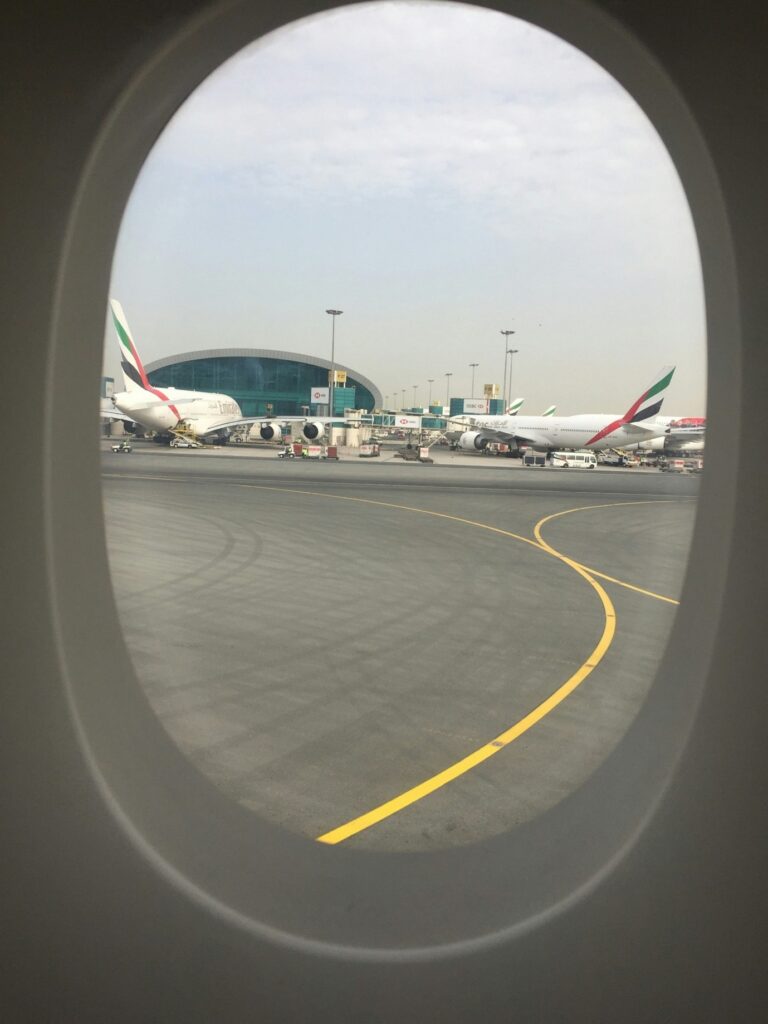
Major flight disruption in aviation hubs in the Gulf Photo courtesy: Milind Shah/Unsplash
Flight rerouting and fuel surcharges have increased airfares by 15–25 percent, creating significant financial barriers for wellness travellers. Frequent and wide-spread closure of West Asian airspace are also leading to mass cancellations of transit-heavy routes in the Gulf region.
Nepal is also suffering from reduced air connectivity through Middle East hubs such as Dubai and Doha, reportedly leading to up to 70 percent in last-minute cancellations and massive hotel occupancy drops.
Compounding the situation, countries like Bhutan and Sri Lanka are also facing energy shocks and are restricting fuel use, which indirectly limits on-ground travel for tourists.
While sought-after destinations such as India and Bhutan stare at bleak market prospects for several weeks, if not months, travel demand is fast shifting towards Eastern destinations like Vietnam, Japan, Thailand, and Malaysia which are touted as safe alternatives.


