

By James Mathew
When the going gets tough, the tough gets going! The slim-footed and entrepreneurially-smart wellness tourism players in the war-hit Middle East are changing tacks, quickly shifting their strategies to crisis management, safety assurance, and domestic market capture.
Many sectoral players are reportedly pivoting toward hyper-localized, holistic, and secure wellness experiences to mitigate the impact of the on-going regional instability. Their new calling cards promise secluded, nature-based retreats, high-end, medically-backed wellness services, and flexible, personalized ‘peace of mind’ booking options to maintain customer confidence.

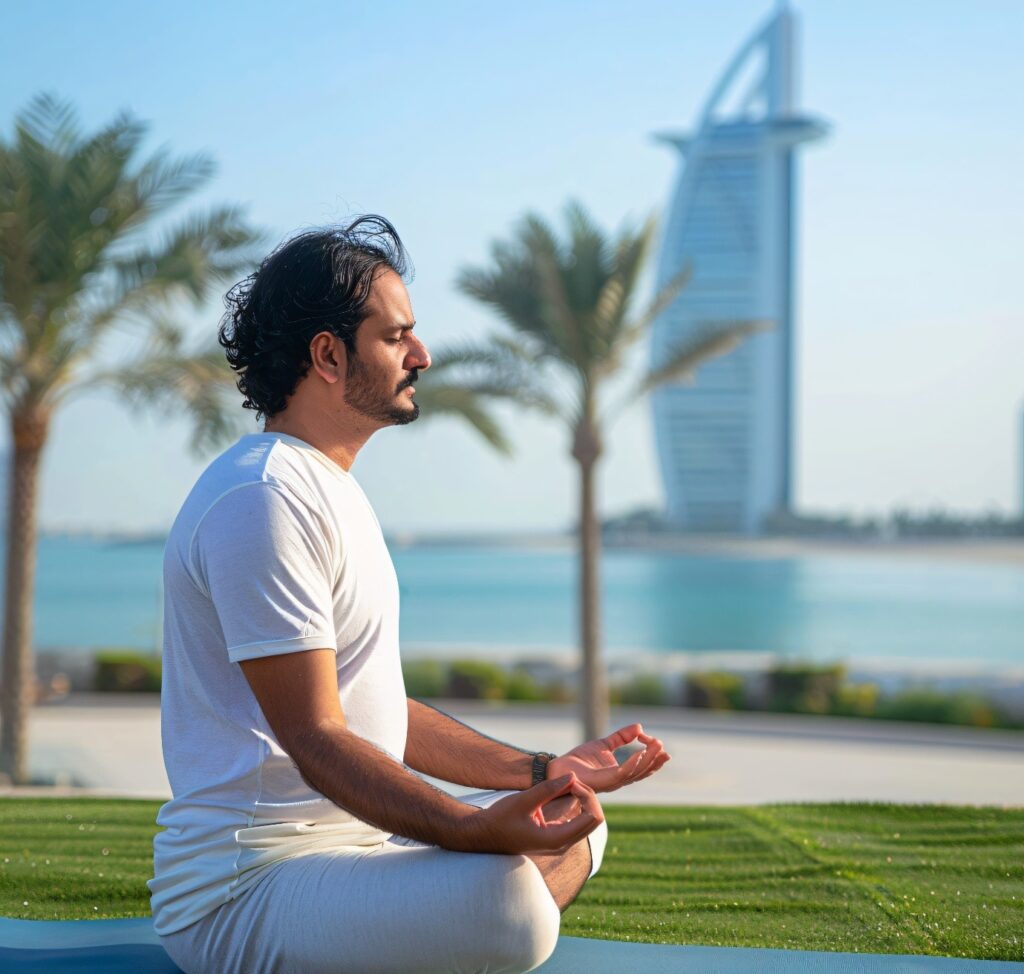
UAE wellness centres come up with quick fix solutions Photo courtesy: Freepik
The quick-witted market players are navigating the conflict-induced business crash and traveller sentiments by enhancing safety protocols and focusing on aggressive promotion of domestic and regional business. Shorter, “staycation”-styles of travel form the corner stone of the new strategy, sector experts said.
The evolving strategies also envisage aggressive communication and marketing efforts focusing on reassurance and safety, highlighting that many parts of the region still remain stable and safe for travel. The move has the twin objective of ensuring short-term survival and sustaining long-term reputation management, market players said.
Communication, communication and communication!
The thrust of the new policy is to effectively and aggressively communicate to clear the air – rather smoke – on the social-media-driven picture of the ‘on-fire and chaotic’ situation in the region with convincing images and commentaries on ‘real-time’, ‘normal-life’ situations in the UAE, and other countries of the region.
Several regional tourism boards, including Dubai’s Department of Economy and Tourism, have issued official statements highlighting visitor safety as the highest priority and instructing hotels to provide extra support for guests impacted by travel disruptions.
The new communication lines also focus on transparent safety updates and guidance to help travellers make informed decisions during the conflict. The move on the communication strategy reportedly follows industry leaders expressing optimism for a rebound once safety concerns are addressed.
Communication focused on safety Photo courtesy: Freepik
The UAE government has also reportedly assured that healthcare systems and critical infrastructure in the country are operating normally, allowing high-end wellness facilities to continue providing services, despite the heightened security environment.
Augmenting the efforts of the tourism authorities, hospitality providers are also communicating on safety as their highest priority, besides initiating confidence-building and support measures to win back customers’ trust. Industry insiders said several wellness centre and hospitality operators are utilizing proactive communication strategies to maintain
Sector experts said the current communication and marketing efforts are primarily directed to target markets that are closer and potentially less affected by, or apprehensive of, the regional disruptions. The strategies seem to be already paying off with some operators in the UAE and other parts of the region reporting continued, though reduced, bookings for coming months.
The reports bring cheers to industry players as they take them indicating a level of confidence among potential visitors as also in the rapid resilience of the region’s tourism sector, despite the severe disruption.
Aggressive value offers
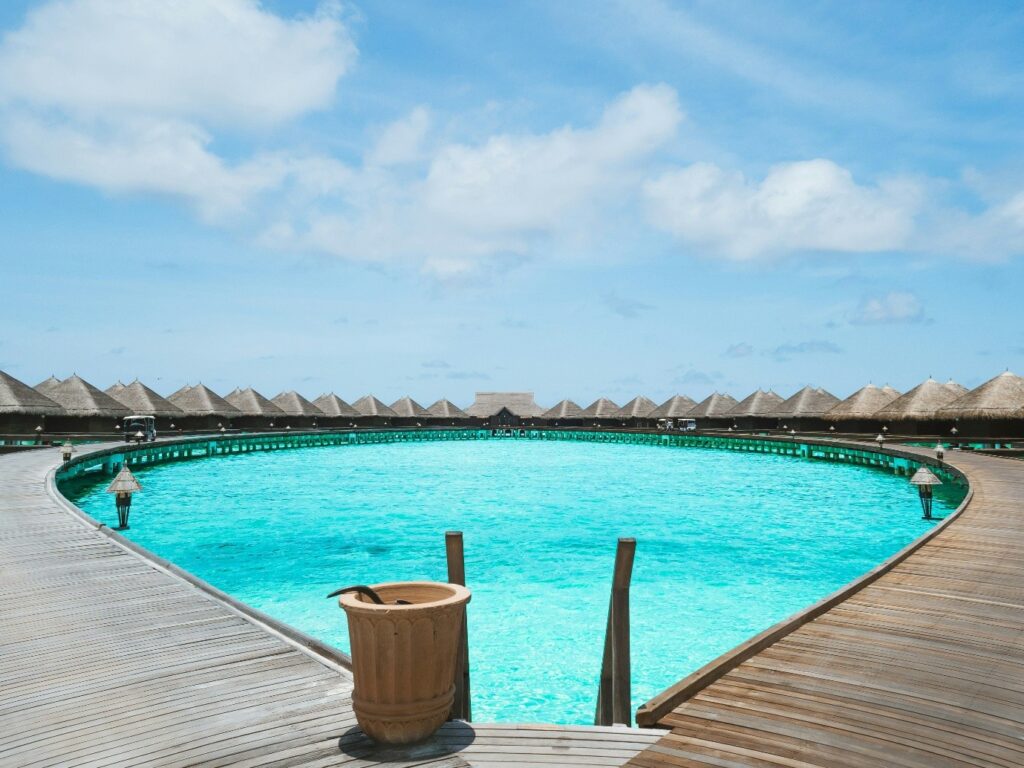
The market-savvy luxury wellness resorts in Dubai and beyond have also reportedly come up with “too-good-to-resist” offers to lure local and regional wellness enthusiasts. Some of the leading luxury wellness resorts such as the Dubai-based FIVE Palm Jumeirah have reportedly introduced “stay and dine” offers where the entire room tariff will be redeemable for spa treatments and dining to attract regional visitors.
Several retreats are offering “desert-proof” wellness experiences that focus on local culture, such as hot sand therapy and coastal breathing techniques to lure domestic and regional customers.
Value offers at Middle East luxury wellness resorts Photo courtesy: Yang Wewe/Unsplash
Some of the quick-to-adapt medical and wellness tourism providers in the UAE and elsewhere in the region have also launched telemedicine consultation facilities to keep their regular and long-term international customers on the hook. The telemedicine options enable their international client to plan future treatments, while waiting for regional stability to return, industry players said.
Wellness centers are also rolling out high-tech virtual, “always-on” AI-powered mental health support, including virtual therapists and AI-powered triage tools to their international customers to keep their registers ringing, while also ensuring continued loyalty from their overseas clients.
Leading hospitality chains and hotels in hubs like Dubai and Abu Dhabi have also chip in with measures focusing on guest safety and reassurance, besides offering flexible cancellation options. Hotels, particularly in the UAE, are implementing flexible booking policies to support affected guests.
As part of their moves to aggressively woo domestic and regional customers, many luxury properties and hotels are reportedly offering special promotions to encourage residents to spend a weekend in their properties. Hospitality sector analysts point out that these offers help the hotels and resorts to maintain occupancy levels, while international travel remains uncertain.
These initiatives follow a sharp drop in hotel occupancy and a sharp fall in tourist inflows from key international markets to the region in the aftermath of the breakout of the Israel-US-Iran war in end February 2026. Luxury hotel rates in Dubai have reportedly plunged by up to 50 percent week-on-week, post-outbreak of the conflict.
War a bolt from blue for Middle East wellness tourism sector
The sudden outbreak of the war came as a bolt from blue for the wellness tourism market in the Middle East, which has been emerging as a global wellness leader in the recent years, blending cultural heritage with cutting-edge innovation and sustainability.
Conducive and focussed national strategies by regional governments such as the UAE and Saudi Arabia, along with massive investments for new developments, have been instrumental in a high-decibel growth of the sector. Several Middle Eastern countries have formulated national visions, envisaging wellness and preventive healthcare as integral components of their development strategies, understanding that wellbeing is vital to economic diversification and population health.

World class wellness resorts in Red Sea Global’s AMAALA
Large-scale travel destinations like Red Sea Global’s AMAALA in Saudi Arabia – which will include an unprecedented 30 world-class wellness destinations when complete, with the first opening in the coming months – highlight the region’s ambitious moves into wellness tourism.
Sector experts, however, are apprehensive that if the current security situation remains volatile, it could permanently alter tourist preferences, favouring destinations that are not only wellness-oriented but also perceived as safe and politically stable.
The conflict, which has triggered immediate cancellations and disrupted flight paths across the Middle East, leading to a significant, reduction in travel to the region, has transformed the regional tourism outlook, with potential losses estimated to be between $34 billion to $54 billion in the first week-to-ten days of the war.
The newly evolving strategies of the tourism authorities and wellness market players in the UAE and Middle East are aimed at cautiously navigating ongoing regional instability, hoping for a mid-term recovery by pivoting toward local, GCC-based, and mindful tourism.