

By James Mathew
The Middle East’s loss is turning out to be a boom for Europe, Asia and the US as the West Asia crisis-induced disruptions in international travel is triggering a surge in domestic wellness tourism markets. Domestic wellness tourism market players in leading destinations in Asia, Europe and the US are reportedly seeing major spikes in customer inflows as wellness travellers are hurriedly reconfiguring their travel plans, swapping risky, expensive international trips for safer, accessible local options.
Besides, domestic wellness tourism markets in these countries are expected to witness continued surge in customer influx in the coming weeks – and even months – amidst predictions of a prolonged turbulence for global wellness and medical travel sectors due to the current war in West Asia.

Madrid gaining big in wellness tourism in Europe Photo courtesy: Bearfotos/Freepik
Sector experts and market research said safety concerns, continued disruptions in the East-West travel corridor through transit hubs such as Dubai, Abu Dhabi and Doha and the soaring airfares due to rising aviation fuel are causing a shift toward local wellness, heritage, and nature-based tourism in popular destinations other than the Middle East.
Madrid is amongst the major beneficiaries of the surge in domestic wellness markets in Europe, besides other Spanish cities such as Seville and Valencia. Switzerland, Germany and Portugal are the other leading European wellness destinations seeing increased footfalls on account of shift in consumer preferences in the wake of air travel disruptions due to the on-going West Asia war.
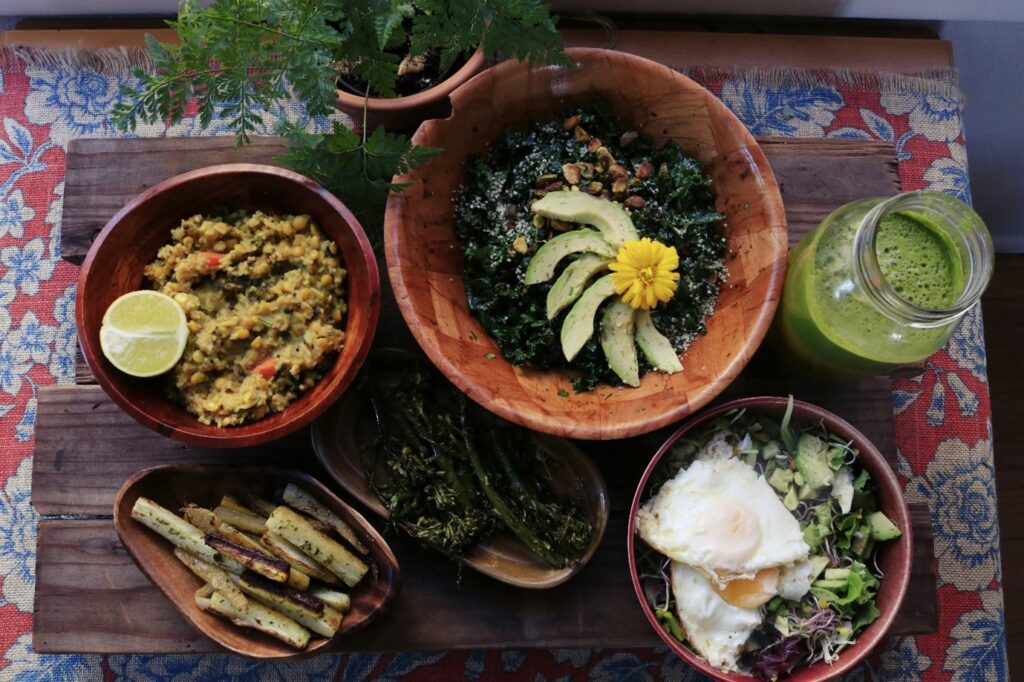
Kerala Ayurveda centres see sudden rush Photo Courtesy: Chelsea-Shapouri/Unspalsh
Bali (Indonesia), Kerala and Rishikesh (India), Thailand, Philippines, Bhutan and Sri Lanka in Asia, Indian Ocean countries such as Maldives and Mauritius are the other destinations which are reportedly witnessing increased influx of wellness travellers. Several leading wellness destinations in the US are also gaining big due to this “substitution effect”, industry insiders said.
Wellness centres and resorts in domestic and regional wellness markets are quick to respond to the sudden spike in demand, offering hurriedly designed innovative programmes, besides positioning themselves as secure alternatives.
This shift is essentially redistributing traveller demand, benefiting wellness, spa, and leisure industries in Europe, Asia and the US that offer a secure alternative to the, now riskier, but once popular Middle Eastern destinations.
Shift to safety
With no signs of any immediate de-escalation in the Israel-US-Iran conflict, the trend of travellers cancelling international trips and opting for domestic or reginal wellness destinations is expected to continue to gain traction for quite some time, industry insiders said.

Bali sees surge in wellness tourism Photo courtesy: PVProductions/Freepik
As wellness seekers shift their travel plans to locations that are perceived to be safe, industry players in now sought-after destinations like Madrid, Valencia, Switzerland, Bali, Vietnam, and the Philippines are offering high-end, tranquil wellness retreats to gain from the shift, they said.
Countries with established or growing wellness industries such as India, Bhutan, and Sri Lanka, are also tipped to make big gains from the reallocation of tourist flows away from the Middle East.
Sector experts said the prevailing uncertainty surrounding foreign travel is also fostering a structural shift towards domestic experiential tourism, strengthening the local wellness and hospitality sectors. Tourists are seen increasingly choosing to stay closer to home, resulting in a surge in demand for local, experiential and wellness-focused travel that does not require complex travel logistics or international flights, they said.
The shift in destination preference is also expected to have long-term impact for the global wellness tourism sector as the ongoing conflict in West Asia is expected to continue to influence reset of traveller preferences toward domestic options for at least the next 12–18 months.
Factors such as rising aviation fuel prices and insurance premiums driving up international flight costs, making domestic travel relatively more affordable, will also aid the shift to domestic wellness sector. This trend, though could be temporary, will act as a major boon for domestic hospitality sector, particularly for premium segments offering experiential and wellness-oriented packages, industry players said.
New trend spurs innovation in domestic, regional industry
The shift towards local and regional wellness tourism, interestingly, is triggering a major innovation drive by market players. Wellness hospitality brands, retreats and local wellness centres are reportedly aggressively launching new initiatives, focusing on high-tech longevity, specialized medical-wellness hybrids, and deep nature-based experiences to attract the more discerning global travellers.

Local players offer innovative programmes Photo courtesy: Ivan Zakharenko/Unsplash
For instance, Thailand has launched a new, high-decibel global campaign promoting wellness across all segments, including families and millennials. Besides the new campaign, christened “Healing is the New Luxury”, launched by the Tourism Authority of Thailand, authorities have also launched a new public-private initiative aimed at transforming the country into a science-powered wellness ecosystem.
India, a leading and well-established player in the global wellness and medical tourism sector, has also kicked off a new initiative to further strengthen its global positioning. Its “Sober Tourism & Authentic Healing” campaign is a well-orchestrated effort to position the country as a global leader by integrating 5,000-year-old Ayurveda and Yoga with modern hospitality. The key components of the new initiative include alcohol-free wellness retreats, mindfulness festivals, and specialized ‘Panchakarma’ detox programmes in clusters like Kerala and Rishikesh.
Tourism authorities in Vietnam, another emerging wellness destination, has also launched a “2026 Wellness Portfolio” in collaboration with a private sector player. The initiative offers structured, integrated journeys that combine traditional health practices with varied natural landscapes to attract international agents.
Meanwhile, leading market players in Switzerland and Germany are taking the lead to tap the surging demand for domestic wellness programmes, and have launched initiatives such as dedicated brain health programmes using technologies like photo-biomodulation (LED brain stimulation) to boost cognitive function.
Italy has also come up with a catchy “Cool-cations” offering in the Dolomites. Luxury spas in the Dolomites are marketing “Cool-cations”, featuring innovative hot-and-cold therapies and immersive sauna rituals as an alternative to sun-soaked beach holidays.
Not to be left behind, luxury resorts in the US and market players in South Korea have come up with “Glow-cations”, offering AI-driven skin diagnostics, real-time “smart mirrors”, and treatments tailored to specific climates to improve skin health.
Diversity is the new buzzword
As domestic and regional wellness markets in ‘safe haven’ destinations see a surge in customer influx, market players are busy diversifying their offerings, promoting wellness retreats combining ancient, local traditions with luxury. The newly offered self-healing and stress-reduction programmes are aimed at providing mental and physical well being.
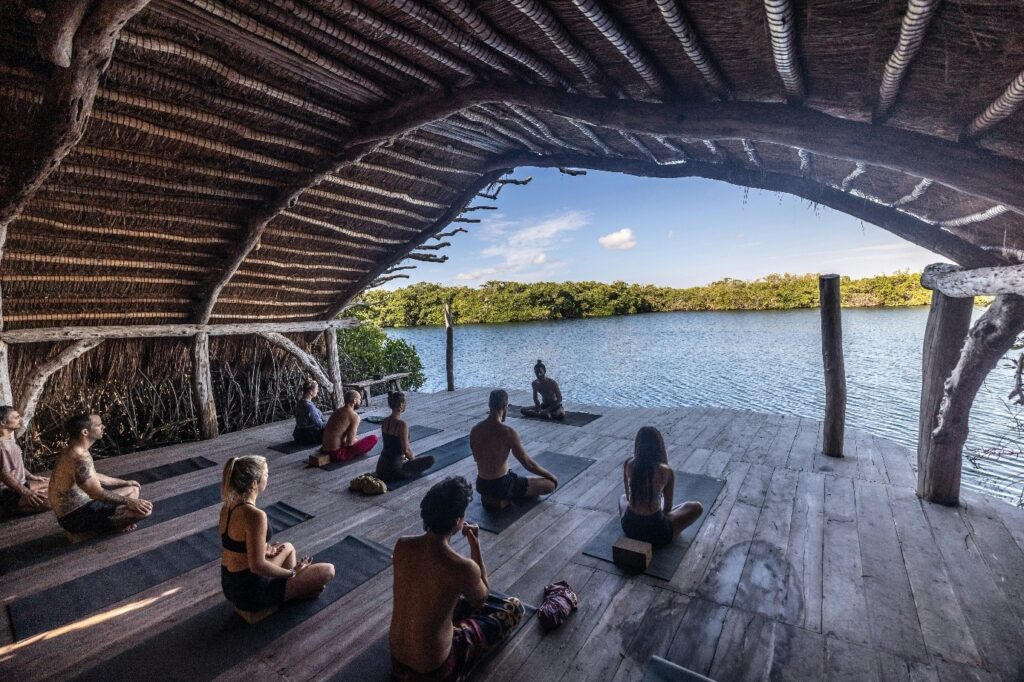
Specialised retreats are in vogue now Photo courtesy: Woody Kelly/Unsplash
Sector experts said of late, there has also been a surge in high-end, specialized retreats that focus on medical rehabilitation, longevity, and specialized and research-driven health protocols, to attract wellness travellers looking for deep health transformations.
Local hospitality players are also upping the game with hotels quickly sewing up strategic partnerships with wellness brands to offer curated, in-room wellness or specialized, guided, mindfulness-based, experiential activities.
Sector experts said these efforts are part of the efforts by leading players in the local and regional wellness markets to rebrand themselves and also to send out a loud and clear message that they provide a secure oasis for holistic, and proactive self-care.



One Comment
Countries like India, Bhutan, and Sri Lanka, have an edge over other asian countries as it is cost effective for European tourists.