
By James Mathew
The sudden outbreak of lethal military conflict in the Middle East in late February has severely jolted the global wellness travel and tourism sector, after a high-decibel growth momentum in the first two months.
Prolonged airport and airspace closures and wide-spread flight cancellations following the outbreak of the Israel-US-Iran conflict are majorly impacting travel through leading regional hubs such as Dubai, Abu Dhabi and Doha – widely described as the ‘superhighway’ for East-West travel – leading to mass cancellations of bookings for travel and wellness resorts, causing a major slow-down in the sector, industry players and sector experts said.
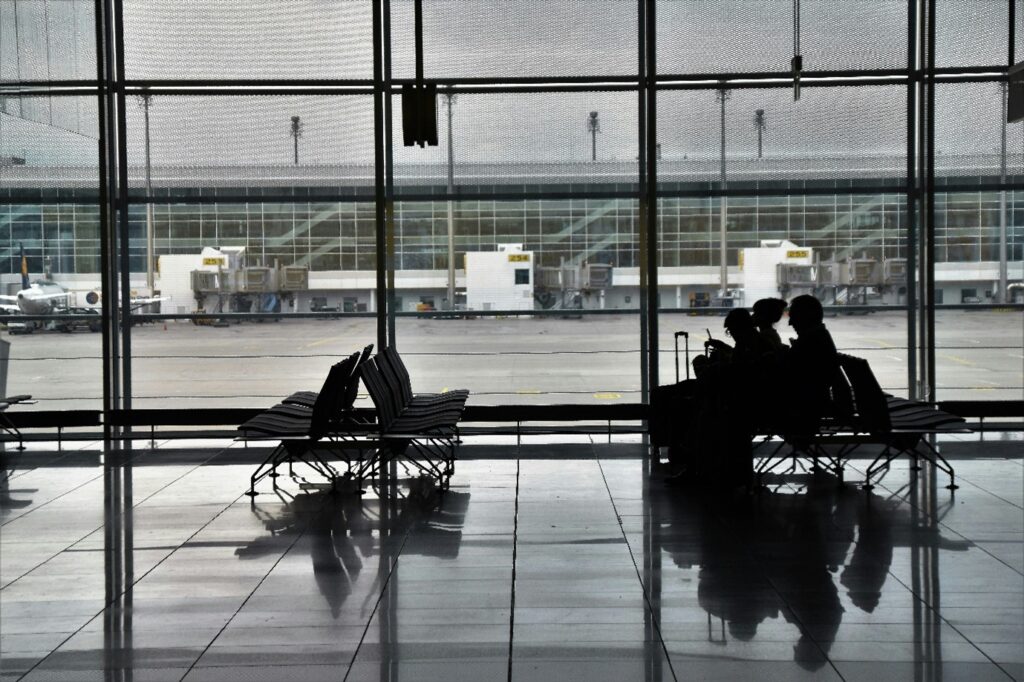
Deserted airports in Middle East Photo courtesy: Waldremar-Brandt/Unsplash
Quick industry estimates indicate a 11-27 percent drop in Middle East visitors, resulting in up to $56 billion in losses in the first few days of March alone. With no signs for prospects for halt of the conflicts any time soon, industry experts expect the losses to the wellness travel and tourism sectors to balloon to several hundreds of billions of dollars in the coming days and weeks.
While safety concerns are the major reason for mass cancellations, sudden spurt in travel costs due to surge in oil prices and flight detours on account of airspace closures are adding to the frenzy. The situation looks so bleak currently, with many analysts describing the current upheaval in the tourism and hospitality as the “worst disruption since the pandemic”.
Middle East worst affected
The day-by-day escalating conflicts has impacted the Middle East’s reputation as a safe, high-end wellness destination. Tour and wellness industry operators are learnt to be reporting a significant rise in cancellations and rescheduling requests.
While high-end brands and wellness-focused luxury groups are anticipating major impacts, at least in the short-term, as the closure of key airports disrupts high-spending traveller segments, niche markets like wellness and medical tourism circuits are seeing “sharp drops” in footfalls and arrivals as safety concerns override travel plans, industry insiders said, adding that the instability, as of the second week of March 2026, threatens to significantly undermine the growth of wellness tourism in the region.
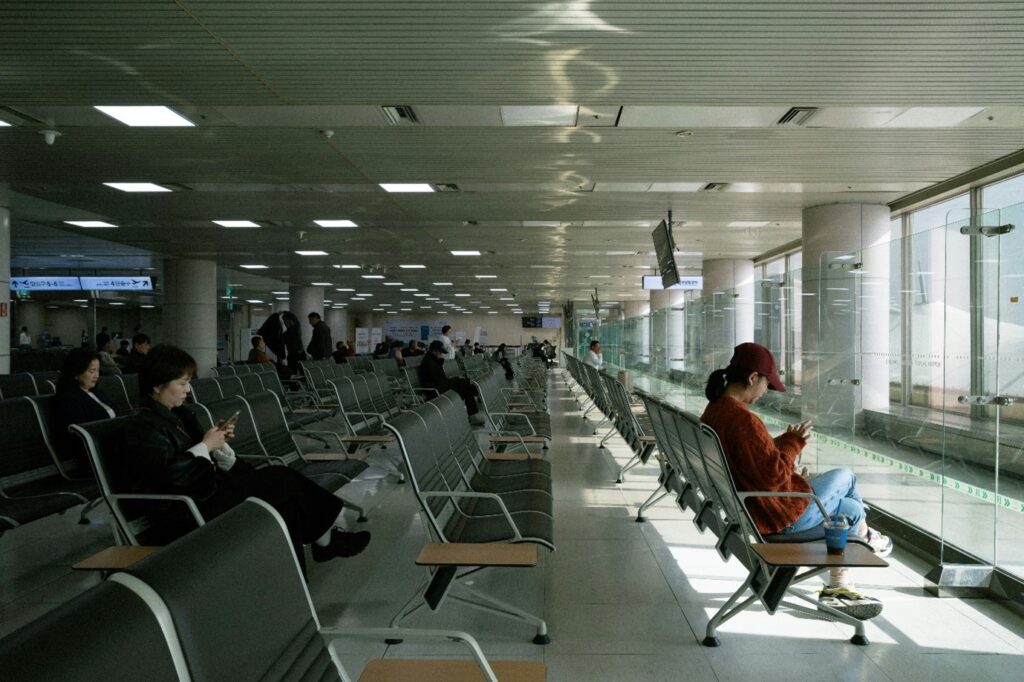
Travel uncertainty hits wellness tourism Photo courtesy: Rawkkim/Unsplash
Quick industry estimates show the Middle East’s wellness-heavy tourism sector is projected to lose $34 billion to $56 billion in visitor spending this year due to the conflict. In key hubs like Dubai, Abu Dhabi, and Doha, hotel occupancy levels are said to be majorly impacted in the immediate aftermath of the military strikes on February 28, with some regional rates falling below critical thresholds.
Regional wellness hubs in the Middle East have also reportedly seen occupancy rates fall below 40 percent, a critical threshold for many high-end establishments to remain afloat.
Major corporate groups and industry bodies from around the world have also reported to have cancelled events and business meetings slated to be held in the region. Companies and industry bodies are also said to have advised employees and member companies to defer travel to affected areas, shifting meetings online.
According to media reports, the Indian Association of Tour Operators (IATO) – a leading industry body – reported a “noticeable rise” in cancellations and rescheduling, particularly for European trips transiting through the Gulf. Major tour operators such as Collette and Tauck have also reportedly cancelled all March 2026 itineraries for Jordan and Egypt, as well as Dubai extensions.
Industry experts said travellers are becoming highly risk-averse, with Thailand, a leading wellness and medical tourism destination in Asia, already anticipating a 50 percent decrease in visitors from West Asia due to safety concerns and air travel hurdles.
Wellness travel pivots to ‘safe haven’ destinations
Industry players said they are observing that wellness tourism is shifting away from the Middle East toward alternative, safer regions, especially in the US, Europe and South and Southeast Asia.
Early trends indicate leading wellness destinations in the US, Europe, and the Far East experiencing a sudden and significant spurt in customer inflows. Sector experts said this shift is primarily driven by travellers rerouting away from West Asia due to escalating regional conflict.

Mediterranean cities seeing surge in wellness tourism Photo courtesy: Freepik
According to Global Wellness Institute, the on-going West Asia conflict is also leading to a Mediterranean rebound, with destinations such as Croatia and Slovenia seeing a surge in high-end wellness inflows.
India, another major sough-after destination for wellness and medical tourism, is also upping the ante to corner market share, aggressively pursuing its ‘heal in India’ campaign, while market players like the Indian Hotels Company Limited (IHCL) and The Oberoi Group aggressively expanding their domestic wellness portfolios.
Sector experts said market players in ‘safe haven’ destinations are also quickly drawing up innovative offerings for specialized trauma and mental health programming in response to current global instability and the psychological impact of the conflict. Players are shifting from general “pampering” to evidence-based mental health retreats, they said.
Many industry players are learnt to have come up with immersive programmes, blending clinical psychology with holistic therapies for PTSD and trauma, while some of the high-end operators have introduced programmes such as ‘brain potential” and “cognitive boost” to address stress management and mental fitness, according to Global Wellness Institute.
Sector operators are also said to be adopting flexible and tech-forward strategies to address customer concerns in the wake of the travel uncertainty. While some travel firms have revised refund policies, offering longer extensions, travel vouchers, and COVID-19/crisis-specific insurance coverage to protect traveller ‘financial wellbeing’, few of the leading international brands in hospitality and wellness are reportedly deploying AI-driven wearables and mental health apps to provide personalized wellness monitoring that can continue even if a traveller’s physical visit is postponed.
Slow recovery anticipated
While global wellness tourism was projected to clock a strong grow chart in 2026, the current ‘highly volatile’ environment due to the on-going conflict in West Asia is expected to delay recovery until stable operations return for several consecutive weeks.

Slowdown in wellness travel growth in 2026 Photo courtesy: Freepik
Analysts at Tourism Economics have reportedly revised the Middle East’s 2026 outlook from a 13 percent growth projection to a potential 11-27 percent year-on-year decline.
Sector experts said as the tourism impact is scenario-dependent, the duration and escalation of the on-going conflict in West Asia will decide the scale of its impact. If the conflict de-escalates within weeks, it can lead to oil prices stabilising, airspaces reopening, fare spikes becoming moderate, helping a significant pick up in outbound travel by the peak season, they said.
On the other hand, if the conflict persists or expands, prolonged oil price pressure will feed inflation, significant squeeze in airline margins, leading to a major shrink in travel budgets and discretionary spending. This downturn may result in a substantial economic loss for the wellness tourism sector.