
By James Mathew
The medical tourism sector is predicted to see a paradigm shift — both in the pecking order of sought-after destinations as also the factors driving growth — in 2026. Though the dynamics are set to see significant changes, the industry is projected to see substantial growth in the current year and beyond, sector experts said.
And the realignment in the pecking order, though brings up many surprises, is expected to see further twists and turns during and beyond the new year! Focused growth plans involving substantial investments in infrastructure and state-of-the-art technology, continued efforts to rope in best medical talents and multi-lingual workforces, besides supportive government initiatives for long-stay medical tourism visas are driving the disruptions in the fast-expanding global medical tourism sector, leading to emergence of new destinations to the forefront globally.
Relatively lesser-known players such as Sri Lanka, Vietnam and Czech Republic are among the countries which are tipped to emerge as hot destinations for medical tourism this year, while emerging players such as Malaysia, Thailand and Philippines are expected to further solidify their positions. Traditionally strong players like India and Turkey, meanwhile, will continue with their strong run, and cities like Dubai and Abu Dhabi will further notch up their rankings as the luxury medical tourism hubs.

New hot favourite medical tourism destinations in 2026 Image courtesy: Freepik
Another significant trend change expected in the sector this year will be a rapid transition to value-based decision making by patients instead of price arbitrage — the original trigger for cross-border medical tourism. Patients and their families worldwide will increasingly switch over to an assessing method based on the entire healthcare journey — from pre-travel consultations to treatment and safety standards, clinical outcomes, post-procedure follow-up, recovery timelines and the reliability of care coordination — for zeroing in on their preferred overseas medical facility. Treatment costs will come into play only post meeting of these satisfactory meeting of these factors.
Industry experts said the rapid transition to the new assessment model is because of the growing awareness among international patients about quality and transparency of medical facilities in each country, and specifically in each healthcare facility, thanks to the avalanche of information available online. This is also empowered by access to comparative data and second opinions. Medical tourism is fast evolving into navigating global healthcare systems strategically, rather than just chasing lower prices, experts said.
Intra-region competition to hot up in 2026
The new year is also expected to see increased intra-region competition. Sought after destinations in traditionally leading medical tourism destinations like South Asia and Southeast Asia regions are expected to see hot competition with each other, differentiating themselves through digital readiness, advanced clinical facilities and care coordination, and easily accessible travel policies.
Industry experts said in 2026 digital health is expected to become the differentiating infrastructure for medical tourism. Virtual consultations will no longer be optional, but will be a cardinal factor in mopping up volume, as international patients are increasingly preferring to engage with clinicians remotely before committing to travel.
Sharing medical records electronically for receiving clearer treatment plans, risk assessments, and cost estimates in advance will be the new norm for patients to choose the cross-border healthcare facility. The digital “front door” also enables in building trust, besides helping filtering out inappropriate or high-risk cases, leading to significant improvements in outcomes for both patients and providers, experts said.
Another trend projected for the year is a sharp rise in regional and short-haul medical travel in the wake of increasing preference by a large number of patients for destinations within the same region or time zone. Industry players attribute factors such as reduced logistical issues, less strain for follow-up care and reduced risks of long-haul flights for the rising surge in short-haul medical travel. Asia, the Middle East, and parts of Europe are seeing the rise of regionalization of medical tourism, with the emergence of special clusters of healthcare hubs catering to serve neighbouring markets.
Key emerging and growing source destinations
Malaysia is among the countries expected to emerge as a key medical tourism destination in 2026, with its authorities declaring 2026 as the “Year of Medical Tourism” to launch a targeted promotional drive to woo more international patients. Though the drive is to attract medical tourists from around the world, the Southeast Asian country is learnt to be particularly targeting patients from the Middle East, Australia, and other Asian nations.
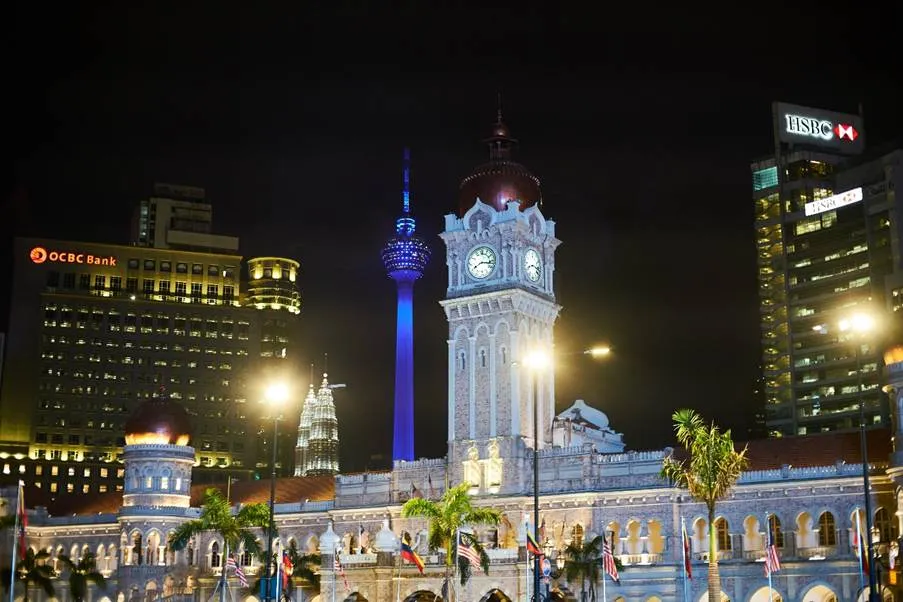
Malaysia is among the new hot favourites in medical tourism Image courtesy — Freepik
The country, known for its high-quality, affordable care in fields like fertility treatments and orthopaedics, besides cardiology, cosmetic surgery, and holistic wellness treatments, also touts itself as among the most affordable destinations for high-quality healthcare. Costs for procedures such as cosmetic surgery and dental implants are estimated to be 30–60 percent lower than in the UK, the USA, or Australia.
Within the ASEAN region, Vietnam and the Philippines are the other two countries which are tipped to gain added popularity in medical tourism this year on the back of aggressive public-private efforts to lure international patients, offering integrated and highly affordable healthcare facilities. While these two destinations promote themselves with high quality care and the presence of internationally accredited hospitals and highly skilled, often internationally trained, medical professionals, the significant cost savings — claimed to be 50 -80 percent lower than in Western countries — is a primary driver of attraction for international patients.
In the European Union region, the Czech Republic is projected to emerge as the affordable, high-quality option for medical tourism in 2026. Known for its excellence in orthopaedic surgery, cosmetic surgery, and rehabilitation services, besides being a popular hub for wellness tourism in the region, its healthcare system combines high-quality care with relatively lower costs compared to other Western European countries. The country is projected to see a significant jump in the influx of medical tourists this year, with a large portion expected from Germany, the UK, and Russia.
Meanwhile, existing strong players in medical tourism such as Singapore and India are projected to continue to solidify their positions in the sector in 2026 with renewed private and government efforts being planned.
Singapore, globally recognised for its excellence in oncology, cardiovascular surgery, and fertility treatments, is also well known for its excellence in paediatric care, robotic surgery, and healthcare innovation. The city-state, with its high standards of care and cutting-edge technology country, is expected to gain further prominence this year in global medical tourism.
India, another leading player in global medical tourism sector, is also expected to further cement its position this year. The country is upping the ante with its “Heal in India” campaign and a new e-medical visa system. The medical tourism sector in the country is also projected see further expansion in 2026, with several Tier-2 cities such as Jaipur, Amritsar, Lucknow, and Chandigarh emerging as new medical hubs, offering quality and cost-effective options for international tourists beyond metropolitan areas.
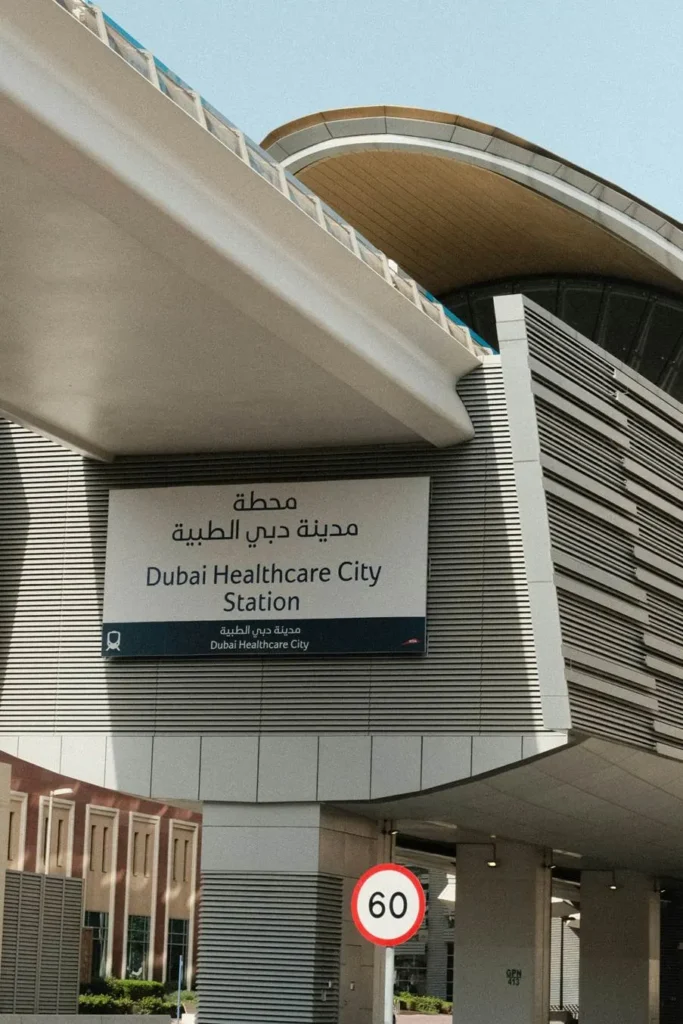
Dubai emerging as luxury medical tourism hub Photo courtesy: Monody Le/Unsplash
2026 is also expected to see the UAE, especially its cities like Dubai and Abu Dhabi, further cementing its position as a growing luxury medical tourism destination. Backed by strong government efforts such as the move on a new medical visa allowing stays of up to six months, and state-of-the-art facilities, the two cities are expected to attract international patients in large numbers this year, especially from the GCC, Asia, Africa, and Europe.
Turkey, a rising star in global medical tourism sector, is also projected to attract more international medical tourists this year, drawn by advanced treatments, world-class technology, and high standards of care. The country ranks among the leading countries for successful organ transplants, especially liver, bone marrow, kidney, weight loss surgeries, and cosmetic surgeries. Turkey’s strategic location also aids its appeal, with easy travel and short flight times, especially for medical tourists from Europe, and Middle East.
Sector experts said the emergence of new destinations is expected to significantly alter the global medical tourism map in 2026, bearing little resemblance to the early waves of cross-border healthcare travel that emerged two decades ago.