
By Our Staff Writer
Nepal unveiled a new national strategy for wellness tourism, targeting 10,000 tourists and $30 million annual revenue. The 10-year road map focus on yoga, Ayurveda, and spirituality to lure foreign wellness travellers to the country
The Nepal government’s new strategy framework identifies wellness tourism as one of its key pillars, adding on to mountaineering, trekking, and adventure tourism which have long remained the hallmarks of the country’s tourism industry.
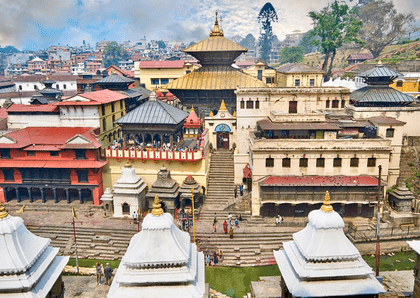
The new wellness tourism strategy, announced by Nepal’s ministry of culture, tourism and civil aviation, aims to establish the country as an attractive destination for wellness, spiritual, and adventure tourism by increasing the diversification and competitiveness of tourism products.
The country’s new found focus on the wellness sector is also reflected in its move to mark 2027 as the Wellness Tourism Year. It also observed the first ‘World Wellness Day’ on April 15, 2026, as declared by the United Nations, following major efforts by Nepal.
The new national strategy encompasses four sectors – spa and massage services, ayurveda clinics, yoga and meditation, and natural healing and spirituality. The blueprint envisages establishment of integrated wellness centres in at least five key areas and raise tourist satisfaction levels. The plan involves phased efforts to develop infrastructure and facilities and attract an increasing number of wellness tourists.
The strategy also outlines efforts to increase market share and brand visibility in wellness tourism by 2027, along with the launch of the ‘Arogya Nepal’ (Wellness Nepal) marketing campaign. A code of conduct will also be enforced, with the National Wellness Standards and Code of Conduct to be implemented by the end of 2027.
According to the ministry, Nepal possesses immense potential for wellness tourism due to its unique cultural heritage, spiritual traditions, and natural environment. “Despite the rapid global expansion of the wellness economy, Nepal’s traditional healing practices and peaceful natural retreats have not yet been fully utilized,” the ministry said.